
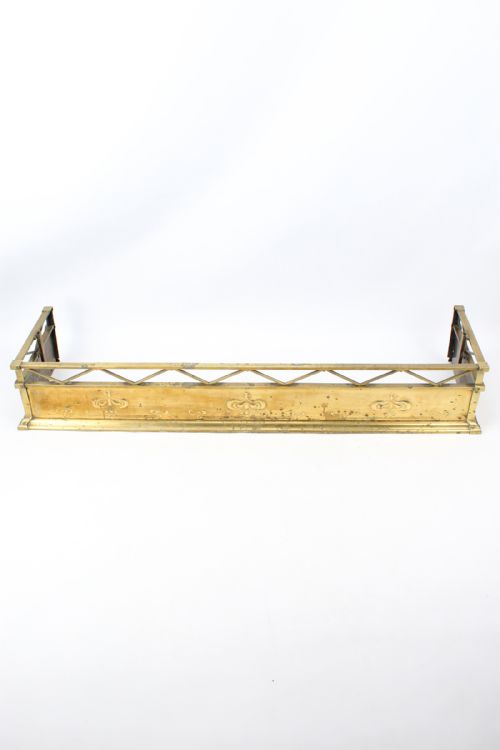


Arts and Crafts Fireplace Guard
An arts and crafts fireplace guard brings hand-hammered metalwork and structural honesty directly to the hearth.
Arts and Crafts Fireplace Guard
An arts and crafts fireplace guard encompasses both upright screens and floor-level fenders designed to contain sparks and frame the hearth. These objects emerge primarily from the Victorian and Edwardian eras, spanning the late nineteenth and early twentieth centuries.
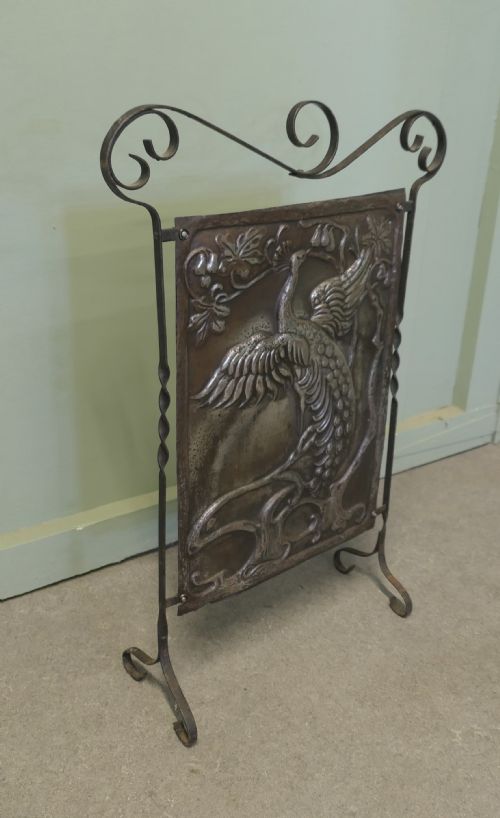
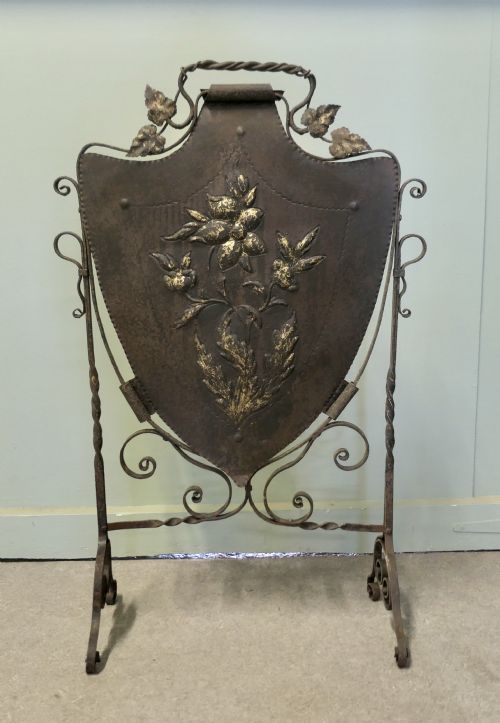
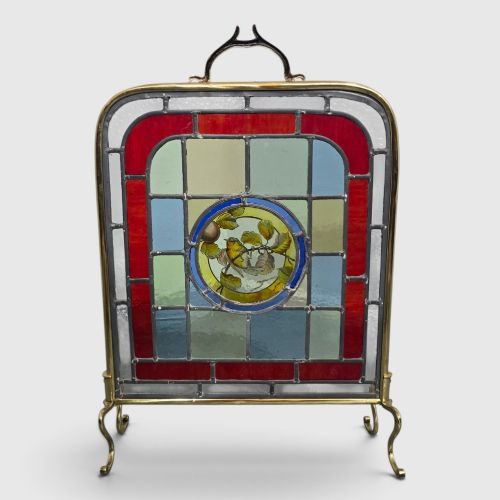
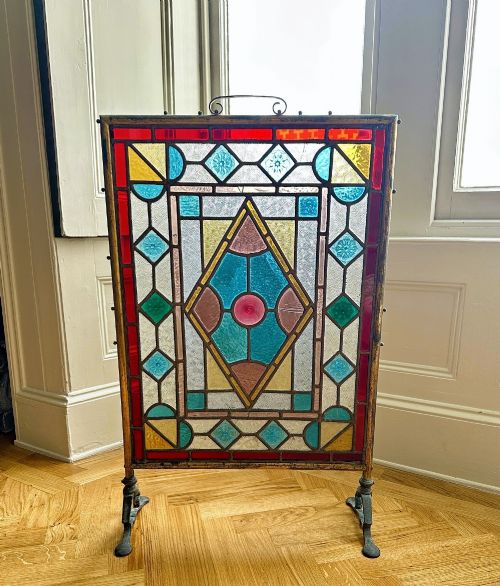
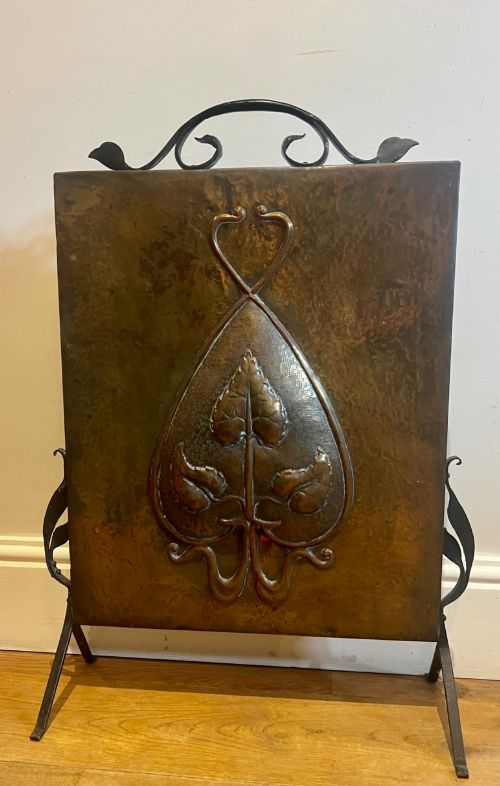
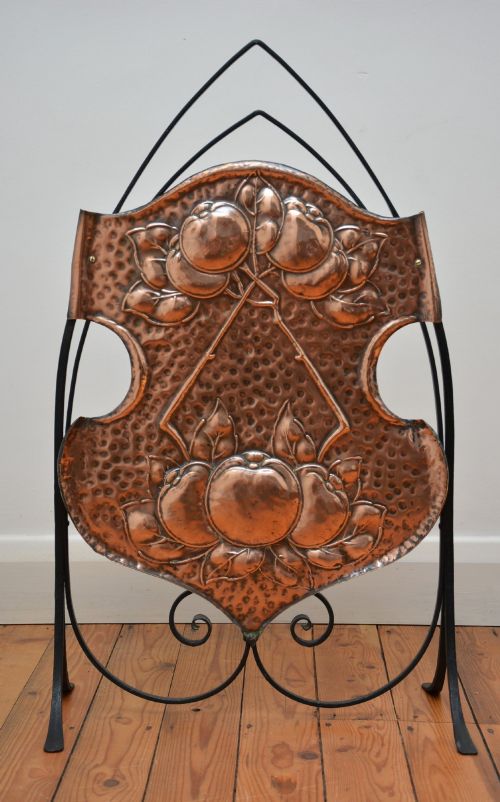
The forms on this page include folding iron fireguards, glass panel screens, and heavy copper kerbs. Buyers encounter varied configurations such as freestanding firescreens and low fireplace fenders.
Makers of the period utilised stylistic influences ranging from strict Gothic Revival to flowing Art Nouveau. The common thread is a utilitarian focus on domestic warmth executed through artisanal metalwork.
How they were made
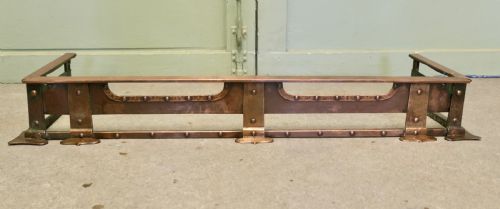
Makers relied heavily on sheet copper and wrought iron, often combining the two materials within a single screen or fender. Rivets are left visible as a structural feature rather than hidden away.
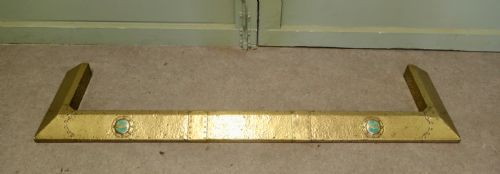
Brass and cast iron form the framework for many pieces, whilst decorative details incorporate green enamel cabochons, stained glass panels, and mirrored glass. Iron surfaces are frequently polished or blackened.
Listings feature copper, wrought iron, and brass across Victorian and Edwardian periods.
What varies in quality
Quality rests in the weight of the metal gauge and the precision of the hand-beating on copper panels. Lighter frames bend under pressure, whereas robust wrought iron and heavy copper retain their structural integrity.
Distinction also lies in the integration of decorative elements like hand-set enamel cabochons or leaded stained glass. Superior examples display thoughtful joinery and intentional proportion rather than hurried assembly.
The Arts and Crafts Fireplace Guard Glossary
- Fender
- A low metal kerb placed around the hearth to keep burning coals and ash contained. These often incorporate upholstered seats or decorative brass rails.
- Firescreen
- An upright panel placed before the fireplace opening when the fire is unlit. They protect the room from lingering drafts and hide grey ash.
- Cabochon
- A gemstone or piece of enamel polished to a convex, rounded shape rather than faceted. They provide pools of colour on metal fender corners.
- Inglenook
- A recessed corner beside a fireplace designed for seating. Heavy steel guards built for these spaces are deeper and heavier than standard screens.
Arts and Crafts Fireplace Guard: Frequently Asked Questions
How do I choose the right size guard?
Measure the width and height of your fireplace opening before browsing. Ensure upright screens exceed the opening dimensions to block stray sparks effectively.
Fenders require accurate floor measurements to fit snugly against the hearth perimeter. Leave adequate clearance for foot traffic around protruding kerbs.
Can I use these screens with an active fire?
Most antique screens function adequately with open fires, provided the iron or copper frame is sturdy. Glass and mirror panels require caution regarding excessive thermal shock.
Inspect the mesh or metal backing for integrity before regular use. Heavy steel and iron variants handle intense hearth heat best.
How should I clean antique copper?
Dust surfaces gently with a dry microfiber cloth to remove everyday soot and grime. Avoid harsh chemical polishes that strip historical patina away.
Preserve the natural aged surface by leaving undisturbed dark oxidation where appropriate. Light wax application helps protect iron frameworks from future moisture.
How do I date an arts and crafts guard?
Examine construction methods such as hand-hammering marks, visible riveted joints, and screw types. Late nineteenth-century pieces often display heavier Gothic or Victorian influences.
Turn-of-the-century items frequently embrace flowing Art Nouveau motifs or Newlyn school copperwork. Edwardian iterations tend towards lighter brass frames and simpler geometries.