

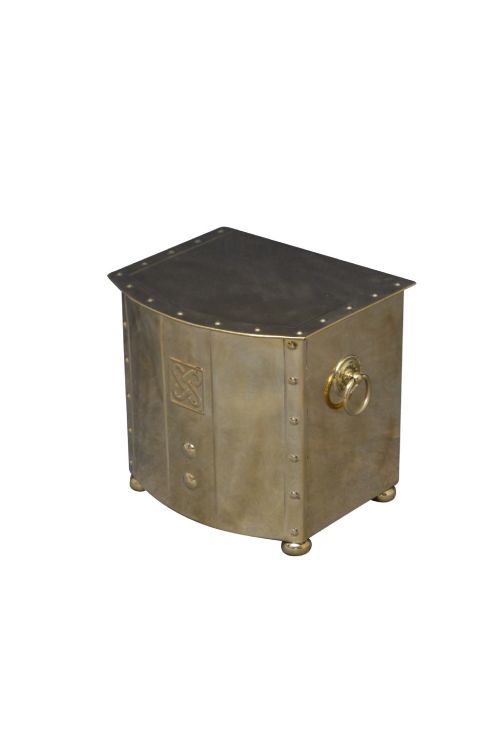


Fireplace Log Storage
Fireplace log storage brings together metal and timber vessels designed to keep fuel tidy beside the hearth.
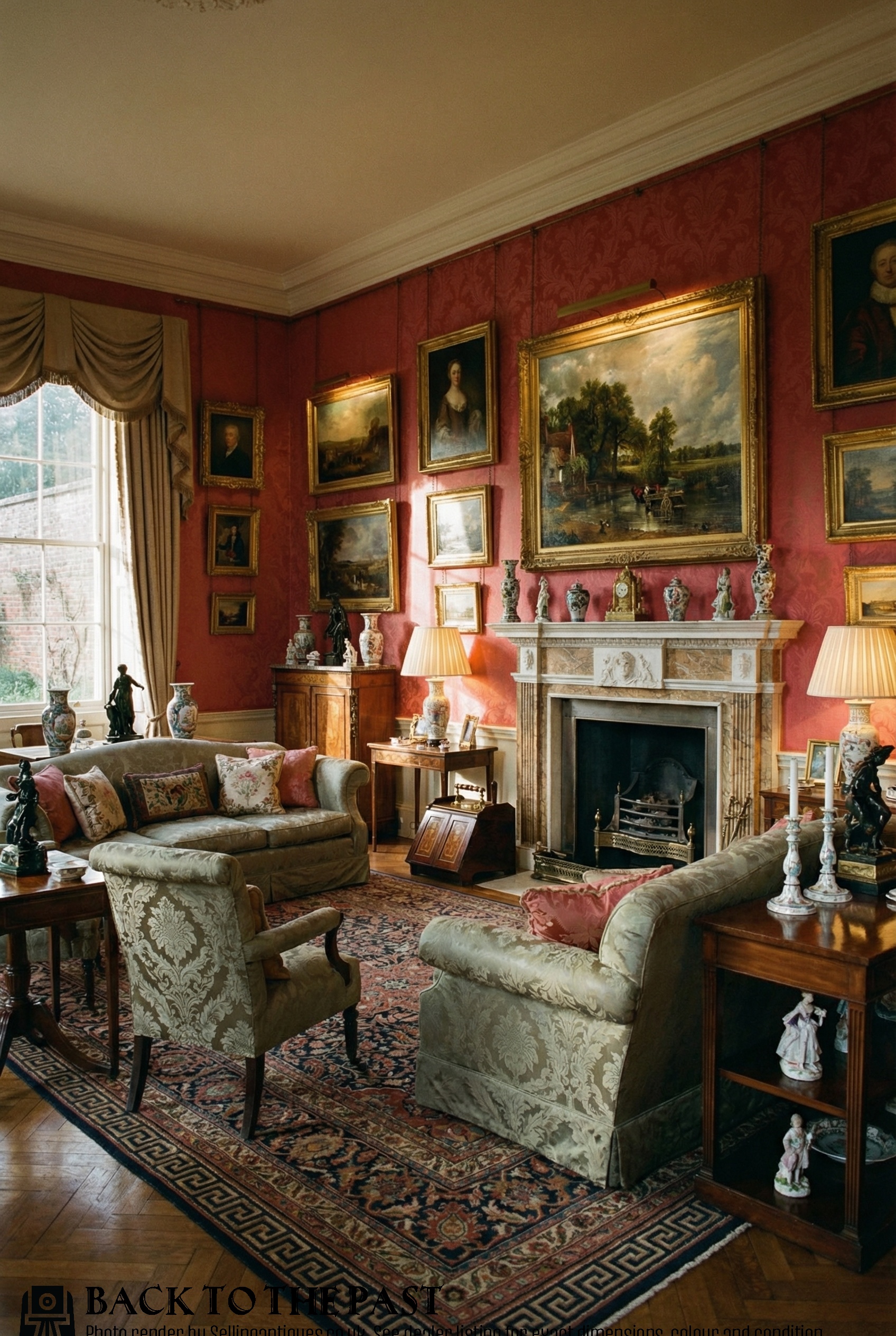
Fireplace Log Storage
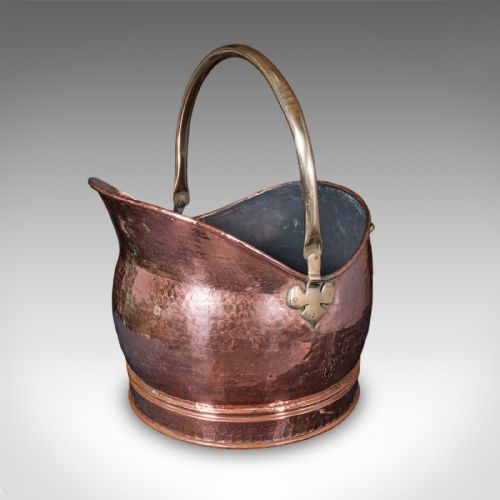
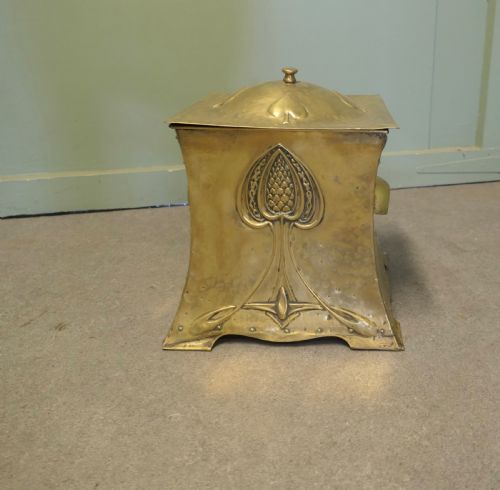
Buyers looking at fireplace log storage encounter a range of nineteenth and early twentieth-century vessels, including log bins, coal scuttles, coal boxes, and buckets. These pieces originate from Victorian, Edwardian, and Arts and Crafts periods, reflecting both formal domestic interiors and rustic country settings.
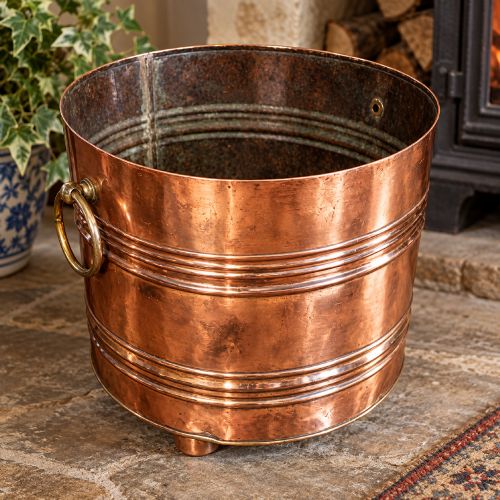
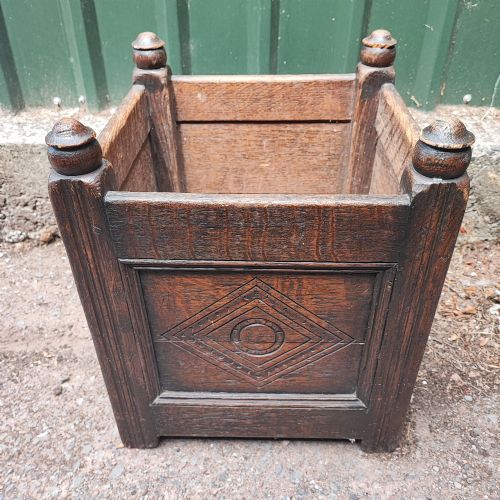
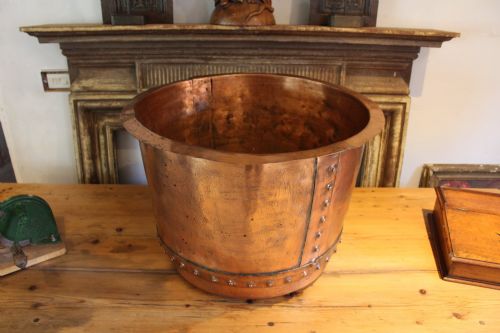
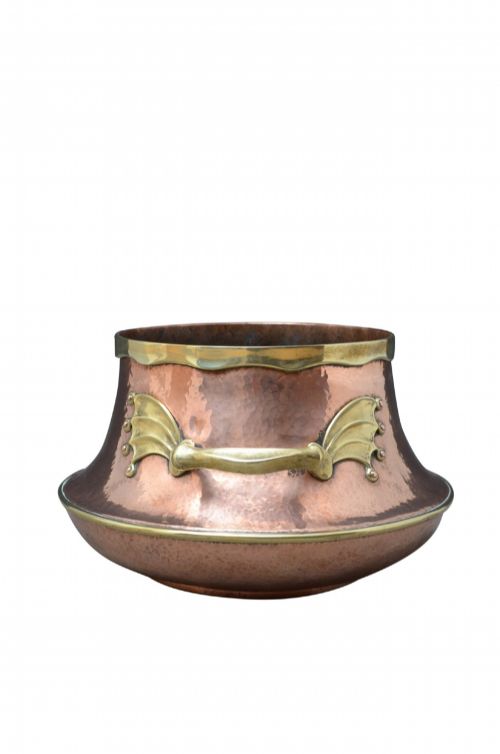
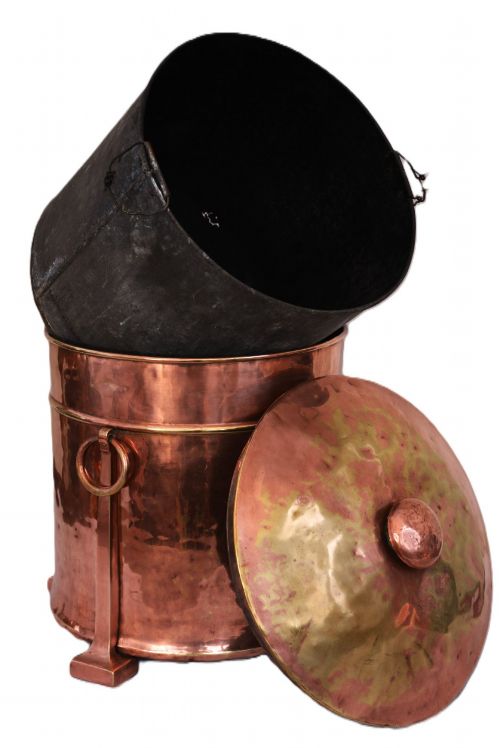
The most common items on this page are copper and brass log bins, alongside timber coal boxes and coopered barrels in oak, mahogany, and pine. Many double as planters or jardinières, showing how utilitarian fireside accessories found secondary uses over time.
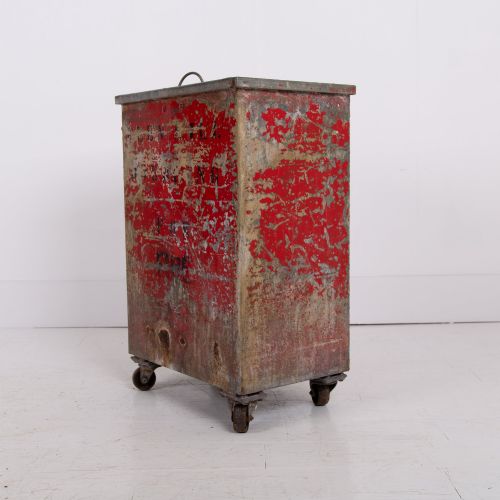
Heavier items include wrought iron log carriers and vintage fire bins on wheels, pointing to industrial and workshop origins. Whether helmet-shaped or cylindrical, these containers serve the practical purpose of holding fuel while adding texture to a room.
Materials and construction
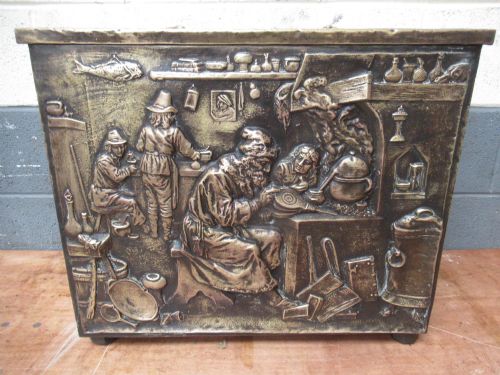
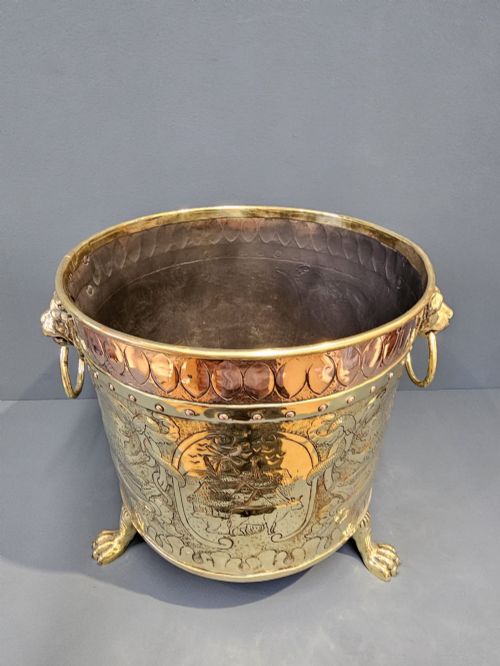
Metal vessels rely heavily on sheet brass and copper, often shaped by hammering and joined with rivets. Embossed decoration, brass bands, and swing handles show the hand of the metalworker, particularly in Arts and Crafts and Victorian examples.
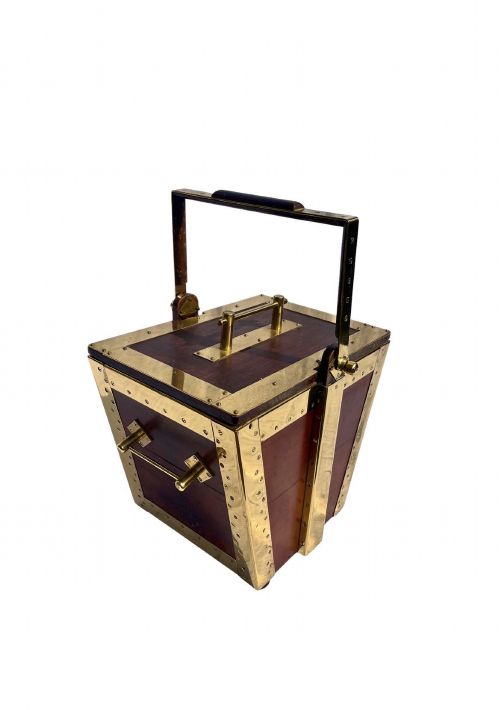
Timber pieces utilise traditional coopering techniques, binding staves of oak, pine, or walnut with metal hoops to create barrel-shaped bins. Inlaid details, drop handles, and carved panels appear on finer domestic coal boxes and purdoniums.
Blacksmith-made items utilise heavy wrought iron, forged into robust carriers and bins suited to large inglenook fireplaces. Pine baskets demonstrate hand-woven construction, offering an alternative to solid timber and sheet metal.
Materials span brass, copper, iron, oak, pine, mahogany, and metal across Victorian, Edwardian, and Arts and Crafts periods.
Judging quality in hearth vessels
Quality rests on the weight of the materials and the integrity of the construction, such as the thickness of the beaten copper or the tightness of coopered oak staves. Thicker gauge metals resist denting and hold their shape under the heavy weight of timber.
Detailing separates standard production pieces from finer items, seen in crisp embossed motifs, dovetail joints, and original brass mountings rather than modern replacements. Makers who invested care in handles, hinges, and liners produced durable containers that survive intact.
Patina tells its own story, where natural oxidation on brass and copper or worn polish on walnut and mahogany indicates genuine age. Pieces that retain their original linings or wheeled bases demonstrate completeness and thoughtful design.
William Soutter & Sons·Richard Arkwright Masson Mills
The Fireplace Log Storage Glossary
- Coal scuttle
- A container with a handle and a shaped mouth designed for carrying coal to a fireplace. These often feature brass bodies and swing bails.
- Purdonium
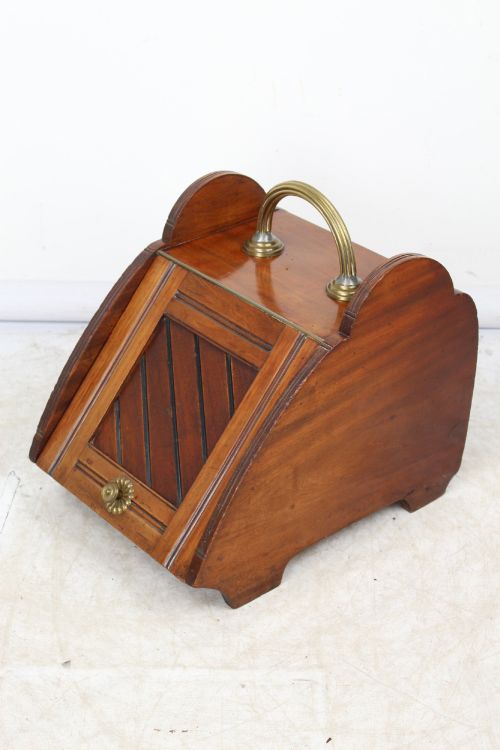
- A specific type of Victorian cabinet or box built to store coal, typically featuring a sloping front drop-down door and an interior metal liner.
- Coopered
- Constructed from wooden staves fitted together and bound with metal hoops, much like a barrel. This technique appears on oak and pine log bins.
- Jardiniere
- An ornamental pot or stand for plants and flowers. Many metal log bins share this exact cylindrical form and were used interchangeably for greenery.
- Arts and Crafts
- A design movement valuing handcraft, natural materials, and simple forms over mass production. Pieces from this style often feature hand-hammered copper surfaces.
Fireplace Log Storage: Frequently Asked Questions
What is a coal purdonium?
A purdonium is a specialised Victorian coal box designed to sit neatly by the fireplace. It usually has a hinged lid or a drop-front door with an internal metal scoop and liner.
Unlike an open bucket, it hid the fuel completely and kept coal dust contained within a neat wooden or metal cabinet.
Were these bins originally for logs?
Many metal and wooden vessels seen today served multiple fuel types or were adapted over time. While some heavy iron carriers and large bins held logs, others were made specifically for coal.
Due to their robust construction and waterproof linings, many copper and brass examples also spent time functioning as indoor plant pots.
How do I clean antique copper?
Antique copper benefits from gentle dusting and occasional cleaning with a mild, non-abrasive metal cleaner if you prefer a bright finish. Many collectors choose to leave the dark, natural oxidation and accumulated patina untouched.
Avoid harsh scouring pads, as they scratch the thin hand-beaten metal and remove the historical surface finish.
How do I style a log bin?
These bins sit naturally beside a hearth, filled with split logs, kindling, or rolled newspapers. Their metallic or timber textures contrast well against stone, brick, and painted fireplace surrounds.
Smaller cylindrical buckets can also house umbrellas in a hallway or hold dried stems in a corner when not used for fuel.