




Traditional Metal Log Container
A traditional metal log container brings warmth and character to a hearth, combining sturdy storage with enduring material quality.
Traditional Metal Log Container
A traditional metal log container serves as a fireside utility piece designed to hold firewood neatly beside the hearth. When exploring this selection, buyers encounter functional items spanning the nineteenth and early twentieth centuries, including the Victorian and Edwardian eras.
Origin styles vary from English traditional and French provincial to Arts and Crafts designs. Most items encountered here reflect domestic fireside use from the eighteen-hundreds up to nineteen-thirty.
How they were made
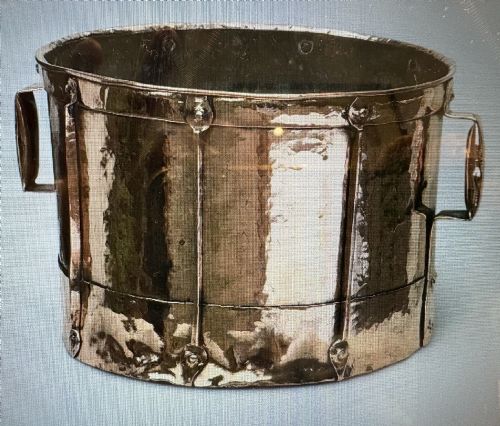
Metal containers rely on sheet copper and brass, often shaped by hand with hammered seams and riveted construction. Handles and mounts in brass or iron are frequently attached to bodies to bear the weight of heavy timber.
Wooden elements utilise traditional coopered construction, binding oak staves with metal bands to create watertight or robust storage vessels. Surface finishes show natural patination acquired through decades of polishing and hearthside use.
Traditional Metal Log Container Retail Price Guide 2026
Typical asking prices for traditional metal log container among the pieces listed under this phrase on Sellingantiques today, from the lower quarter to the upper quarter. They describe what is for sale here now, not the wider market.
Some French grain measures found a second life storing logs by English firesides.
What varies in quality
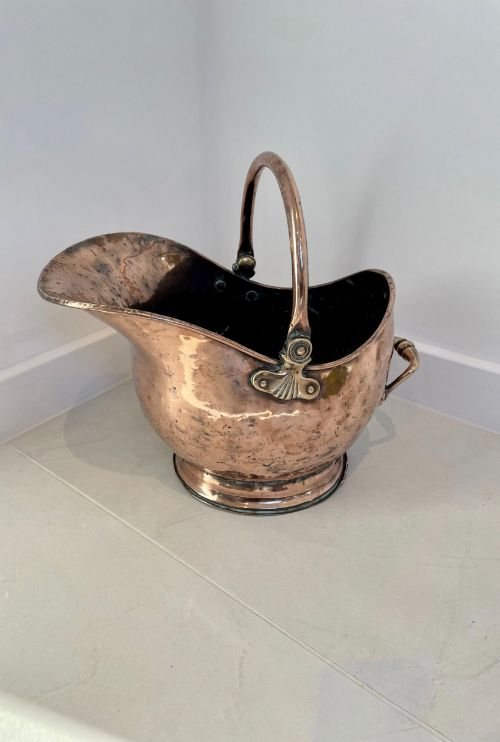
Substantial gauge metal and crisp detailing set superior pieces apart from lighter, purely utilitarian vessels. Superior examples display harmonious proportions, secure riveting, and decorative mounts such as swing handles or lion paw feet.
The depth of the natural metal patina and the integrity of any applied brass or iron trim indicate the level of craftsmanship invested during manufacture. Pieces that retain their original structural form without excessive distortion represent the finer end of the range.
The Traditional Metal Log Container Glossary
- Helmet scuttle
- A traditional coal container featuring a high back and a sloping front resembling a medieval helmet, designed for easy pouring. This form became particularly popular during the Victorian period.
- Coopered
- A method of construction where curved wooden staves are joined together and held tightly by metal hoops, commonly seen in wooden fire buckets.
- Patina
- The surface sheen and colour acquired by metal and wood through age, handling, and exposure to the environment.
- Arts and Crafts
- A design movement valuing handcraftsmanship, simple forms, and traditional materials over mass-produced ornamentation.
Traditional Metal Log Container: Frequently Asked Questions
What is a traditional metal log container used for?
These vessels store and transport firewood neatly beside an open hearth or wood-burning stove. They keep logs contained while adding a decorative metallic accent to the fireplace.
Historically, similar containers held coal, but today they serve modern living spaces as practical storage for hearth timber.
How do I clean a copper log bin?
Maintenance depends entirely on the finish you prefer to keep on the metal. Gentle dusting with a dry cloth preserves the aged dark patina.
If a bright polished look is desired, a dedicated copper cleaner can be applied sparingly, though most collectors prefer the historical darkening.
How can I tell a Victorian scuttle from later pieces?
Victorian pieces often display heavier gauge copper, hand-beaten hammering marks, and robust brass fittings fastened with visible rivets. The overall weight and method of joining parts provide clues to the period of manufacture.
Later twentieth-century versions tend to feature lighter sheet metal and more standardised machine construction.
Are these containers waterproof?
Many solid metal and coopered wooden vessels were originally designed to hold fuel without leaking debris onto floors. However, prolonged exposure to wet logs can cause internal corrosion.
Using a modern protective liner inside helps preserve the historical interior of older containers.