


Fireplace Fuel Storage
Fireplace fuel storage comprises the practical timber, metal and leather vessels that keep logs and coal orderly beside the hearth.
Fireplace Fuel Storage
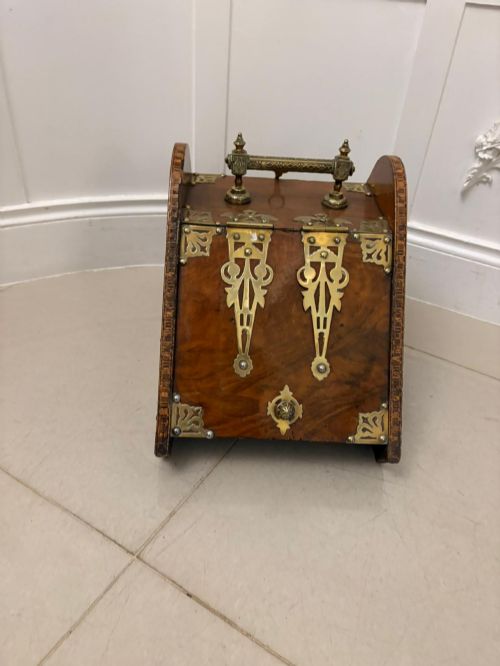
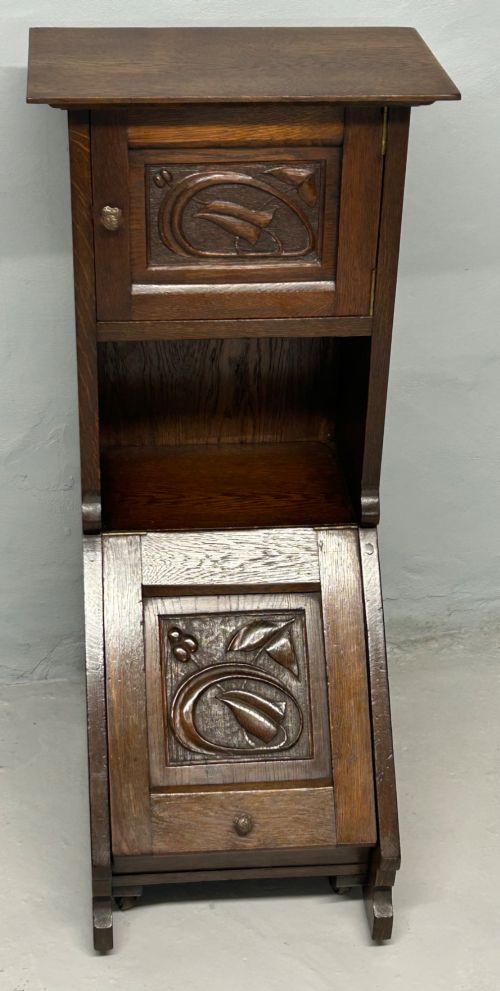
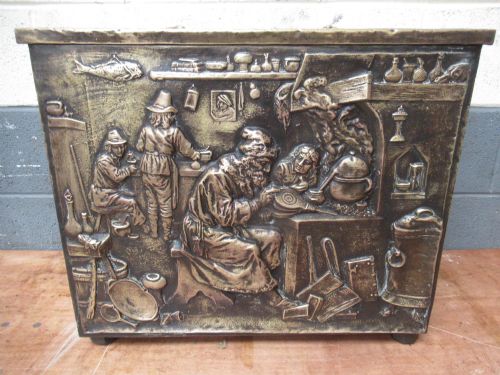
Fireplace fuel storage encompasses practical household containers designed to hold coal, logs, and peat beside the hearth, ranging from humble everyday boxes to decorative furniture. When searching for fireplace fuel storage, buyers encounter various forms including coal boxes, purdoniums, log bins, scuttles, and bunkers dating from the eighteenth century through to the early twentieth century.
The objects stem from distinct periods, with Victorian and Edwardian examples proving most common alongside earlier eighteenth and nineteenth-century pieces. Makers utilised sturdy materials to handle heavy loads of fuel, creating functional items that also doubled as decorative additions to period drawing rooms and parlours.
How they were made
Craftsmen built these vessels using a combination of dense hardwoods like oak, mahogany, walnut, and pine, often reinforced with durable metals such as brass, copper, iron, and wrought iron. Woodworking techniques included coopering, carving, and inlay work, while metal components were beaten, cast, or mounted.
Many items combined these materials, pairing timber bodies with brass handles, hinges, or decorative plaques, and incorporating interior metal liners to contain dust and debris from coal and peat.
Listings feature oak, walnut, mahogany, and pine bodies paired with brass, copper, and iron metalwork.
What varies in quality
Quality rests upon the calibre of the materials selected and the integrity of the construction, from hand-carved mahogany panels and heavy gauge copper to simple pine construction. Superior examples exhibit refined stylistic details such as Arts and Crafts hammered surfaces, ormolu mounts, or intricate inlay work.
The durability of the hardware and the retention of original interior linings also distinguish finer pieces, reflecting the skill of the original workshop or maker.
Liberty London
The Fireplace Fuel Storage Glossary
- Purdonium
- A specialised type of coal box featuring a sloping front door that drops down to reveal an interior metal shovel and scuttle. These Victorian cabinets often stood beside the fireplace as formal pieces of furniture.
- Coopered
- A construction method utilising tapered wooden staves bound together with metal hoops, traditionally used for water-tight vessels and seen here in peat buckets and log bins. This technique provided immense strength for heavy loads of fuel.
- Scuttle
- A metal bucket designed for carrying coal, typically fitted with a swing handle at the top and a smaller handle at the back for controlled tipping. They were carried from cellar to hearth.
- Aesthetic Movement
- A late nineteenth-century design style emphasising decorative art for its own sake, resulting in pieces with stylized motifs and artistic craftsmanship. Items from this period display distinct visual character.
- Log bin
- A deep container specifically proportioned for holding firewood rather than granular coal, often fashioned from coopered oak or wrought iron. They sit directly on the floor near the hearth.
Fireplace Fuel Storage: Frequently Asked Questions
What is a purdonium?
A purdonium is a specific Victorian coal cabinet with a hinged front drop-down panel.
Inside, it typically houses a metal liner or removable shovel for clean fuel handling.
How do I date a coal box?
Dating relies on stylistic clues, timber choice, and hardware construction methods.
Victorian and Edwardian pieces show specific decorative movements like Arts and Crafts or Aesthetic design.
Can I use these for logs?
Containers designated as log bins, buckets, or carriers suit firewood storage.
Smaller boxes and purdoniums suit coal or peat rather than large logs.
What metals were used?
Brass, copper, iron, and wrought iron appear frequently in these pieces.
Metals were used for structural strength, interior liners, and decorative mountings.