


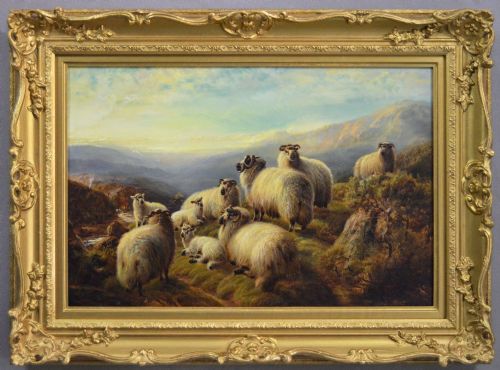


Fine Art Pastoral Canvas
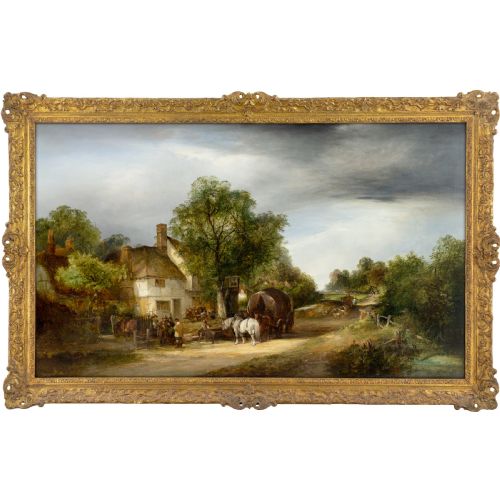
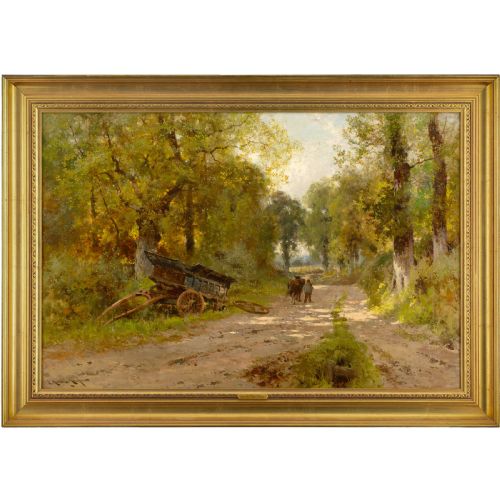
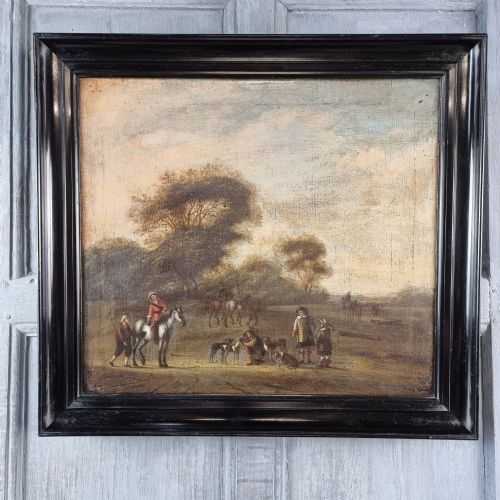
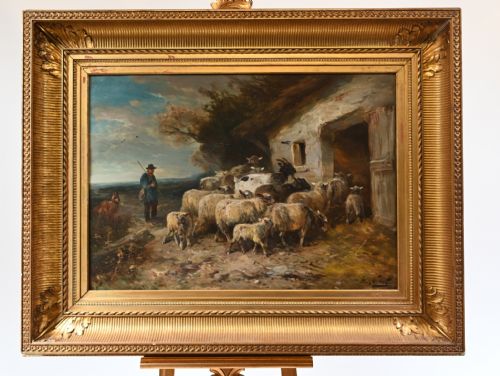
Fine art pastoral canvas works capture rural life and agricultural scenes in oil, offering buyers a glimpse into historic country landscapes.
Fine Art Pastoral Canvas
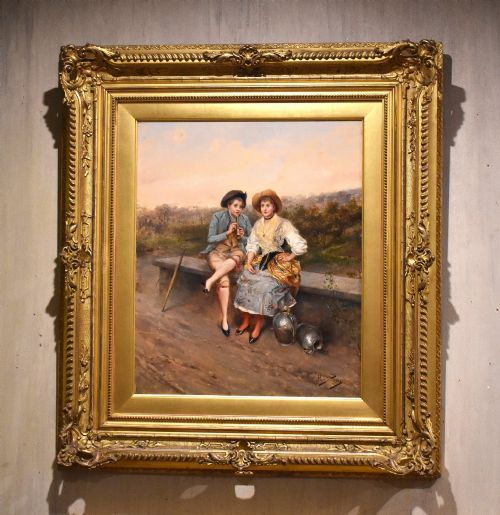
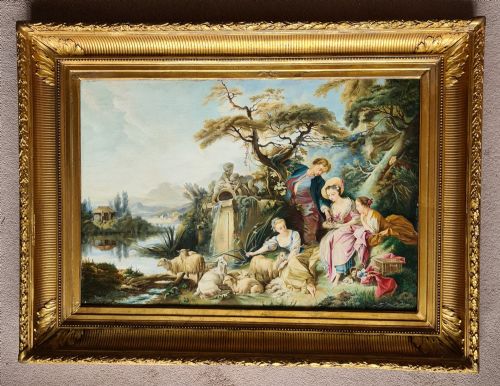
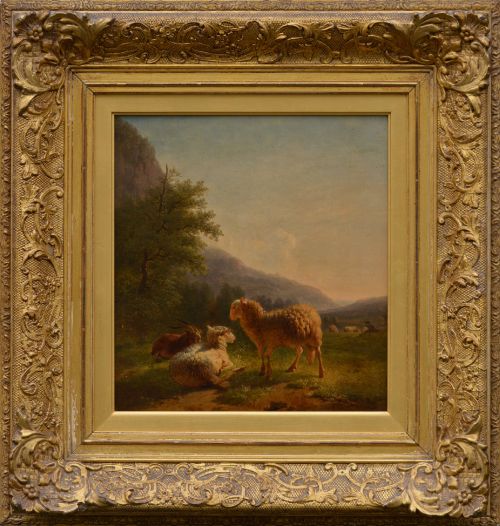
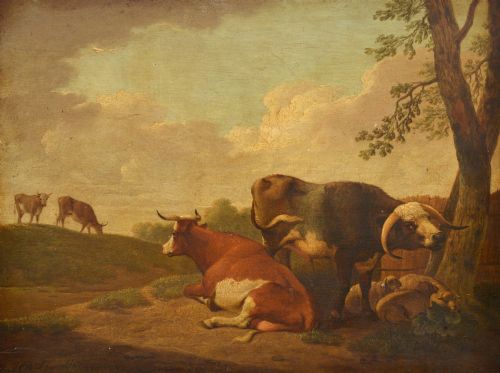
When you search for fine art pastoral canvas, you encounter painted scenes of rural life, agricultural landscapes, and animals in natural settings. These works focus on shepherds, cattle, sheep, and countryside views.
The pieces on this page span the eighteenth, nineteenth, and early twentieth centuries. You will find British Impressionism, Victorian realism, and nineteenth-century romanticism represented across these canvases.
Common subjects include harvest fields, river landscapes, and domestic animals resting in pastures. The forms range from intimate country scenes to larger framed compositions.
How they were made
Artists painted primarily using oil paint applied directly onto stretched canvas surfaces. This medium allowed for rich texture, subtle colour blending, and layered detail.
Many surviving pieces retain their original wooden frames, often enhanced with gesso, giltwood, or gold leaf mouldings. These surrounds complement the pastoral subject matter and protect the canvas edges.
Fine Art Pastoral Canvas Retail Price Guide 2026
Typical asking prices for fine art pastoral canvas among the pieces listed under this phrase on Sellingantiques today, from the lower quarter to the upper quarter. They describe what is for sale here now, not the wider market.
Listings feature works from the eighteenth through to the early twentieth centuries, executed in oil on canvas.
What varies in quality
The skill in handling light, atmosphere, and animal anatomy dictates the distinction between standard and superior works. Master painters captured natural textures in wool, foliage, and water with precise brushwork.
Provenance and documentation also influence standing. Signed works by recognised nineteenth-century and early twentieth-century painters carry stronger attribution than unsigned or anonymous examples.
Eugène Verboeckhoven·George Graham·Francois Boucher·John Horace Hooper·Hendrik Willem Schweickhardt·Jacob Philipp Hackert·Robert Watson·Henry Schouten·Charles Zacharie Landelle·Thomas Sidney Cooper·John Sanderson Wells·Jean-baptiste Joseph Pater·Owen Bowen·George Vicat Cole·Sidney Richard Percy·Eugene Joseph Verboeckhoven·Giulio Cecchini·Heinrich Harder·Charles Vickers·Robert Finley McIntyre·James de Rijk·Henry H Parker·Herbert Royle·Arthur Winter Shaw·John Henry Dell
The Fine Art Pastoral Canvas Glossary
- Oil on Canvas
- A painting technique where oil paint is applied to a woven fabric support stretched over a wooden frame. This combination provides a durable surface that holds rich pigment over centuries.
- Giltwood
- Wood carved and covered with a thin layer of gold leaf or gilt. It appears frequently on nineteenth-century picture frames.
- Gesso
- A paint mixture consisting of a neutral binder mixed with chalk, gypsum, or pigment. It was used to prepare wooden frames before applying gold leaf.
- British Impressionism
- A late nineteenth and early twentieth-century art movement focused on loose brushwork and natural light. Artists working in this style captured transient effects in British rural landscapes.
- Victorian Pastoral
- A nineteenth-century artistic genre depicting idealized rural life and agricultural workers. These scenes emphasise harmony between humans, animals, and the countryside.
Fine Art Pastoral Canvas: Frequently Asked Questions
What subjects appear in pastoral art?
Pastoral art primarily depicts rural scenes, including shepherds with flocks, cattle grazing, harvest fields, and agricultural workers. These subjects reflect an idealized view of countryside life.
Artists during the eighteenth and nineteenth centuries drew inspiration from domestic farming environments and quiet river valleys, creating peaceful compositions.
How do I date an oil painting?
Dating relies on stylistic clues, artist signatures, framing techniques, and the preparation of the canvas support. Records and signatures often provide a specific active period for the creator.
Material analysis of the wood stretcher and gesso frame can also help confirm the era in which the piece was produced.
How should I hang a canvas?
Canvas paintings require stable environmental conditions away from direct sunlight, high humidity, and extreme temperature fluctuations. Proper picture hooks secured to wall studs support the weight of heavy giltwood frames.
Keeping the piece out of direct drafts prevents the canvas from stretching or slackening over time.
What is the difference between romanticism and realism?
Romanticism emphasises emotion, dramatic lighting, and atmospheric moods within landscape settings. Artists working in this mode often dramatised natural elements to evoke feeling.
Realism focuses on accurate observation and truthful depiction of everyday agricultural life without theatrical enhancement.