
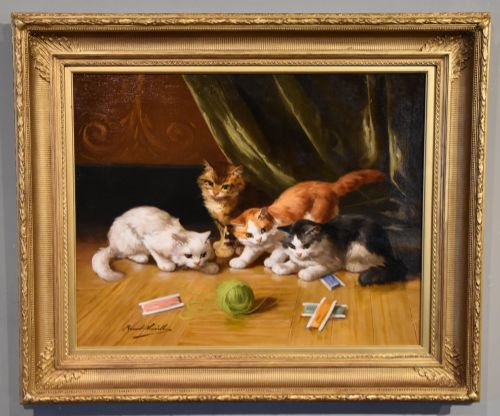


Fine Art Animal Portrait
A fine art animal portrait captures the distinct personality and physical form of a beloved beast through traditional painting and drawing techniques.
Fine Art Animal Portrait
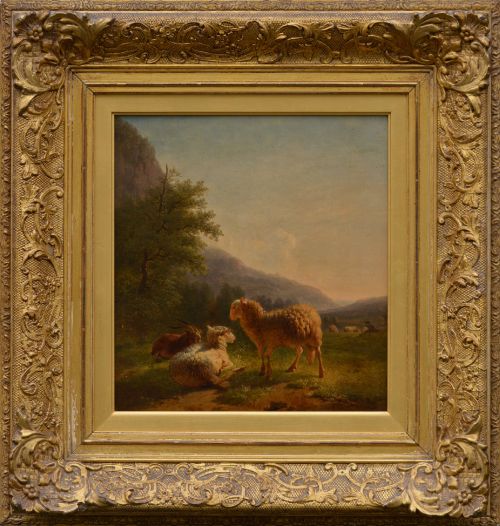
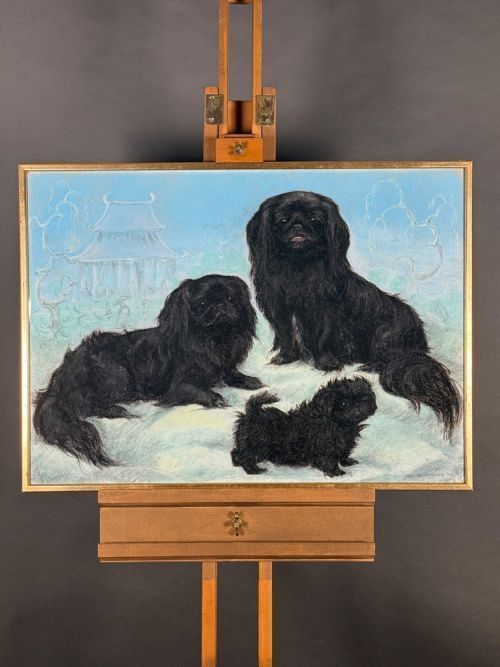
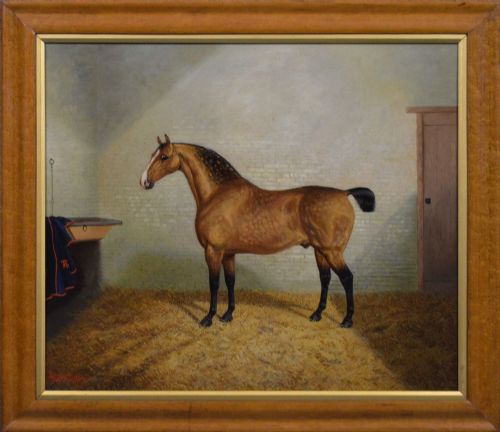
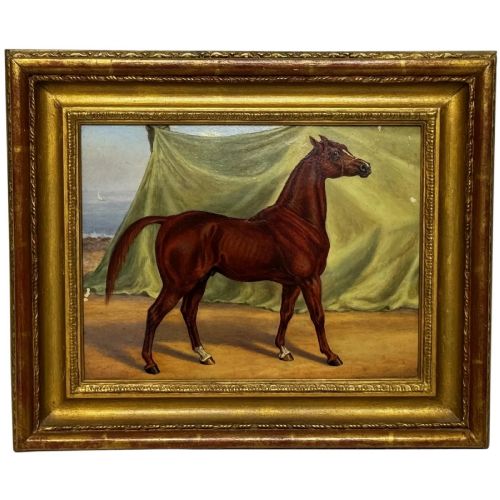
A fine art animal portrait focuses on individual subjects like dogs, cats, horses, cattle, and exotic animals rendered with careful attention to their likeness and character. These works emerge predominantly from the nineteenth century and the early twentieth century, spanning Victorian realism and romanticism.
The selections available here rely heavily on oil paintings on canvas alongside pastels on paper and drypoint etchings. Domestic pets, farm livestock, and working animals appear in settings ranging from simple neutral backgrounds to detailed courtyards and pastoral landscapes.
Materials and construction methods
Artists utilised oil paint on canvas or wooden supports, layering pigments to build texture in fur, coats, and feathers. Works on paper employ pastel or etching techniques, capturing fine lines through drypoint methods.
Framing often involves wood and giltwood surrounds that complement the tonal qualities of the artwork. The physical support relies on traditional stretching and mounting practices standard to the period of creation.
The listings span the nineteenth and twentieth centuries, featuring oil on canvas, pastel on paper, and drypoint etchings.
Assessing quality in animal portraits
Quality rests upon the artist's ability to render the anatomy, posture, and intelligent expression of the animal with anatomical conviction. Superior works demonstrate precise brushwork or pastel handling in the rendering of fur textures and light.
The depth of the composition and the handling of the surrounding environment elevate a simple study into a compelling narrative piece. Works by listed and documented painters often display a surer command of perspective and psychological presence.
Eugène Verboeckhoven·Albert Clark·Alfred Arthur Brunel de Neuville·Thomas Sidney Cooper·Valentine Thomas Garland·Agnes Augusta Tallboys·M.E. Hankinson·John Emms·James Ward·Benedict Angell Hyland·William Huggins·Cuthbert Edmund Swan·Jules Le Roy·Herbert Dicksee
The Fine Art Animal Portrait Glossary
- Oil on canvas
- A painting medium where pigments are suspended in a drying oil, applied to a stretched woven fabric support. This combination allows for rich colour blending and durable preservation.
- Drypoint etching
- A printmaking process where an image is scratched directly onto a metal plate with a sharp needle burin. The resulting burr creates a soft, velvety line when inked and printed on paper.
- Giltwood
- Wood that has been coated with a thin layer of gold leaf or metallic powder. It provides an ornate and reflective border for traditional frames.
- Victorian realism
- An artistic movement prioritising accurate, unidealised depiction of everyday subjects. In animal art, this translates to lifelike representations without excessive sentimentality.
Fine Art Animal Portrait: Frequently Asked Questions
How do I care for a canvas oil painting?
Keep oil paintings away from direct sunlight and fluctuating temperatures to prevent canvas warping and pigment degradation. Dust the surface gently with a soft, dry brush without applying moisture or cleaning solutions.
Consult a professional art conservator if the canvas requires cleaning or structural repair. Proper framing behind appropriate glazing can also protect the paint layer from atmospheric pollutants.
What subjects are most common in these portraits?
Dogs, cats, and horses dominate the selections, reflecting the strong Victorian fondness for domestic pets and working animals. Livestock such as cattle and sheep also appear frequently, often set within pastoral landscapes.
Exotic animals occasionally surface through the work of specialists who depicted wildlife or zoo subjects. Each subject type reveals contemporary attitudes towards animals and their roles in human society.
How can I tell the age of a painting?
Examine the stretcher bars, canvas weave, and framing materials for signs of age consistent with nineteenth or early twentieth-century manufacturing. Handwritten inscriptions, signatures, and labels on the reverse often provide clues to the creation date.
Stylistic markers within the clothing or background details also help narrow down the period. Comparing the technique to known works by documented artists offers further confirmation of the era.
Are these works original or reproductions?
The inventory consists of original period works, including unique oil paintings, pastel drawings, and original print editions like drypoint etchings. Each piece represents a direct creation from the stated period rather than a modern facsimile.
Signatures, brush texture, and plate marks on prints help verify the hand of the artist or printmaker. Close inspection under magnification reveals the authentic application of paint or ink.