

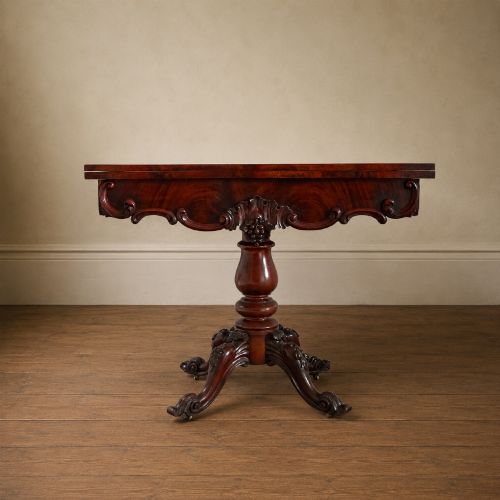
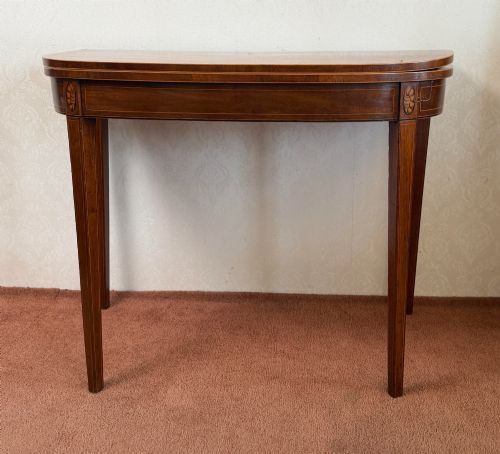


Figured Mahogany Console
Figured mahogany console pieces bring exceptional timber grain and formal proportion into a room, serving as striking architectural furniture.
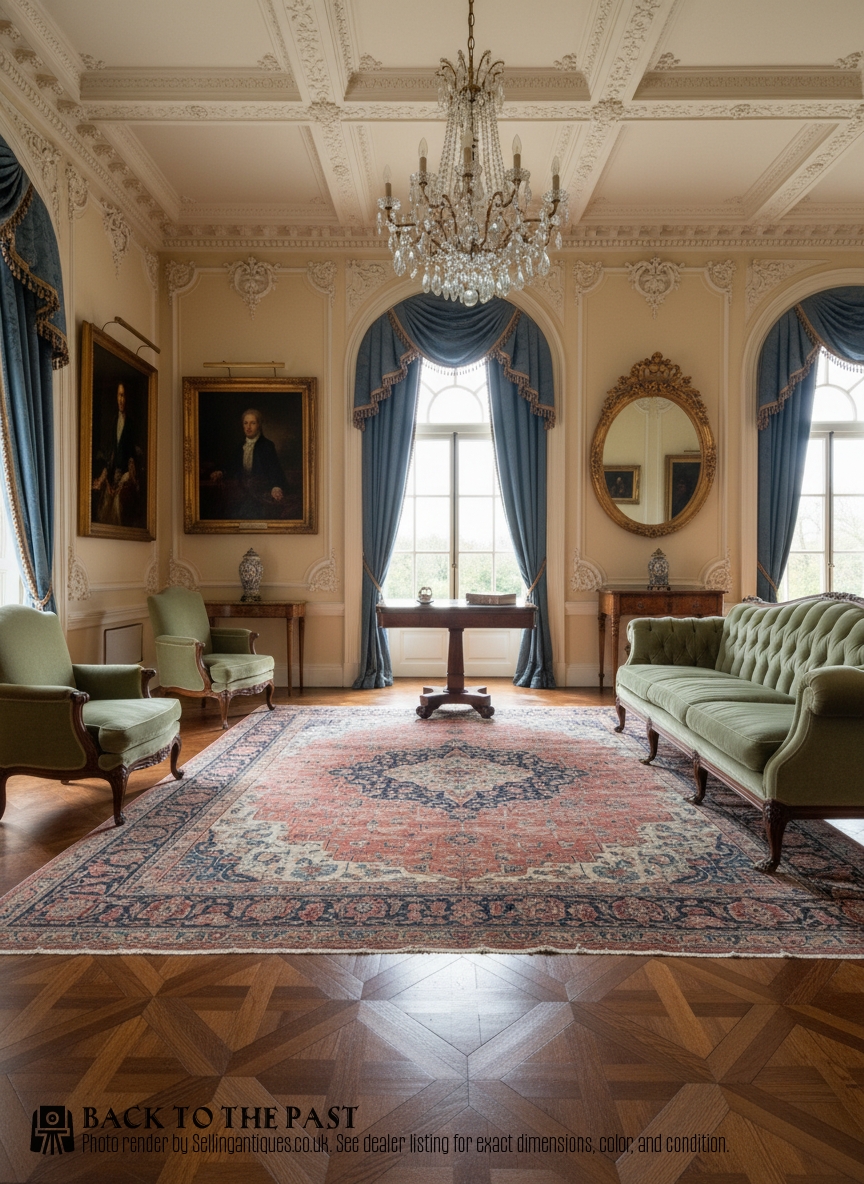
Figured Mahogany Console
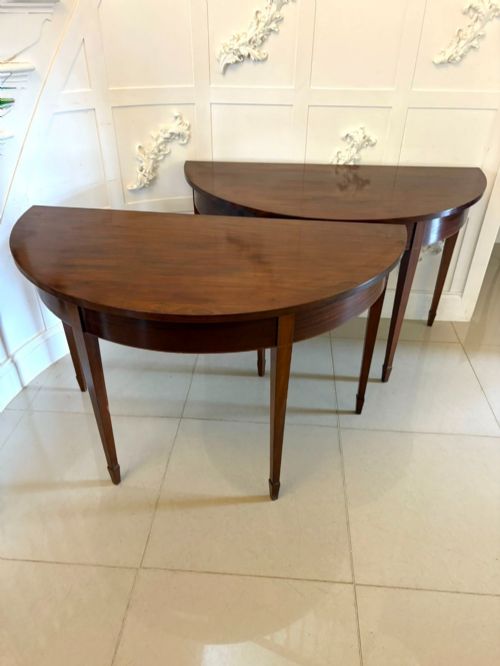
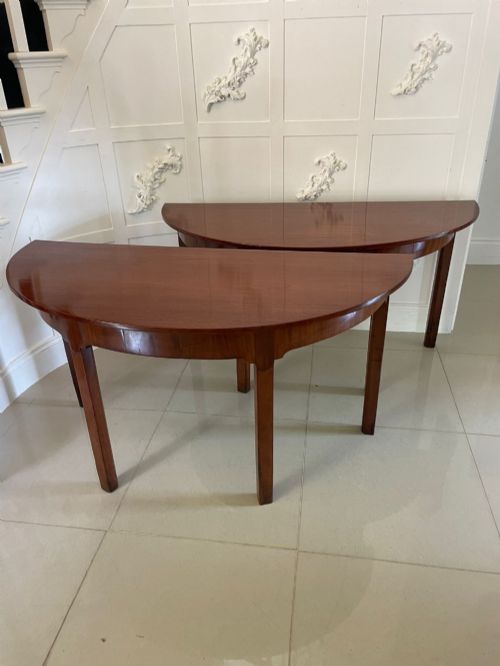
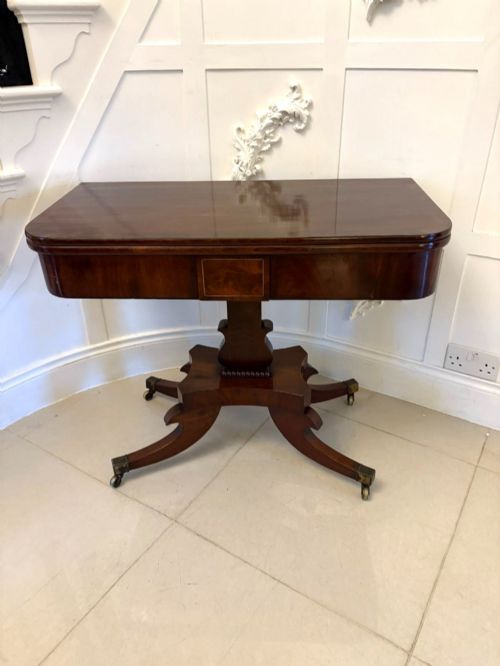
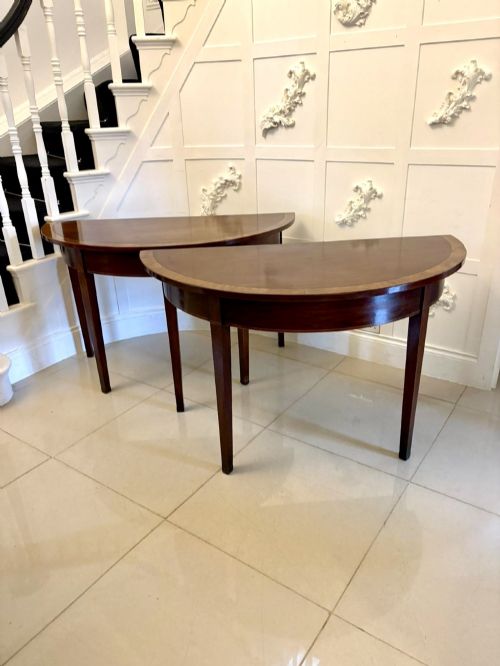
A figured mahogany console represents a sophisticated form of wall-standing or freestanding timber furniture designed for display and utility in formal spaces. When searching for a figured mahogany console, buyers frequently encounter George III demi lune shapes alongside Regency, William IV, and Victorian variations.
The selection ranges from half-round side tables to dual-purpose card and tea tables that convert for different social uses. Pieces span the eighteenth, nineteenth, and early twentieth centuries, encompassing diverse regional designs including French interpretations.
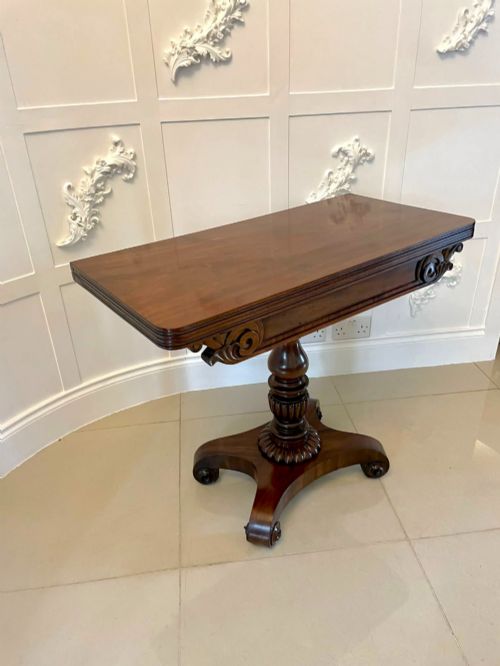
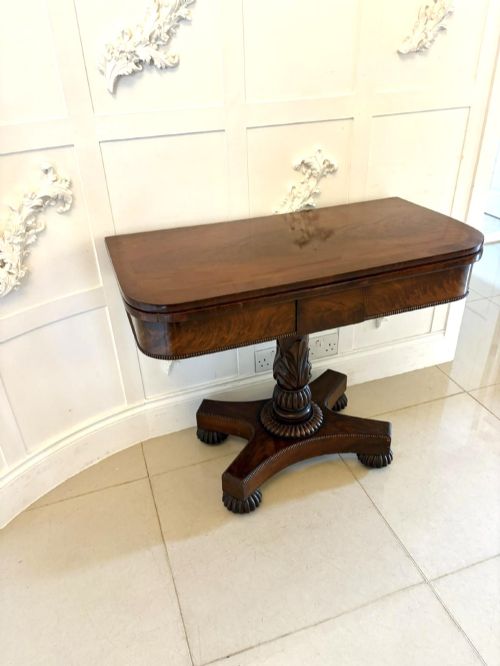
Demi lune forms from the George III period appear frequently alongside later Victorian iterations featuring carved details or serving surfaces. Tables often bridge categories, functioning as side, tea, or serving furniture depending on their hinged tops and structural layout.
What varies in quality
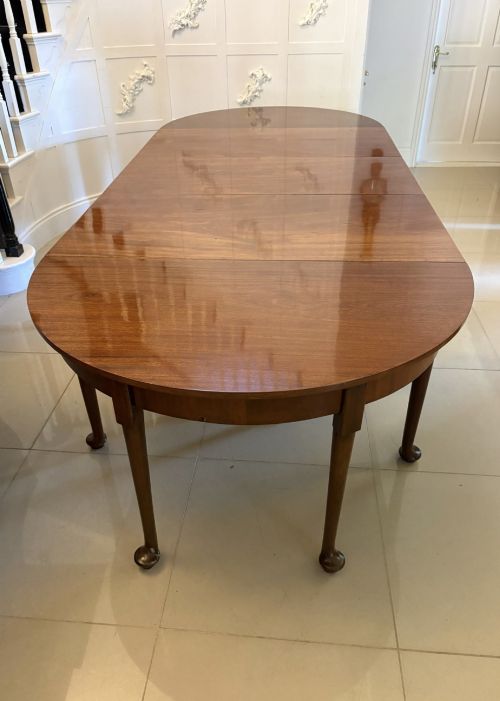
The vitality and symmetry of the timber grain dictate visual success, with superior examples displaying deep, rolling flame patterns across the entire top surface. Construction depth also matters, separating standard single-board surfaces from complex metamorphic or multi-part folding designs.
Proportion and edge detailing distinguish standard utility items from top-tier cabinet work, particularly in shaped demi lune and serpentine forms. The integration of secondary woods, fine boxwood inlay, and original brass hardware further elevates an individual piece.
Several dining tables double as 12-seaters, proving that historical cabinetmakers took hospitality very seriously indeed.
The Figured Mahogany Console Glossary
- Console table
- A table designed to stand against a wall, frequently supported by brackets or front legs rather than balancing on four traditional posts.
- Demi lune
- A half-moon shape characteristic of many eighteenth-century and Regency console tops designed to fit snugly against room perimeters.
- Figured mahogany
- Timber cut from specific sections of the mahogany tree, such as crotches or burls, yielding intense, wavy, or flame-like grain patterns.
- Card table
- A folding table with a hinged top that opens to reveal a baize-lined surface intended for social gaming.
- Satinwood inlay
- Contrasting light-coloured wood inserted into the darker mahogany surface to create geometric or floral borders.
Figured Mahogany Console: Frequently Asked Questions
Where should I place a console table?
These tables fit naturally against entrance hallway walls, beneath large mirrors, or in drawing rooms where surface space matters.
Because many examples feature finished backs or freestanding capability, certain versions operate successfully away from walls as centre tables.
How do I distinguish George III from Victorian consoles?
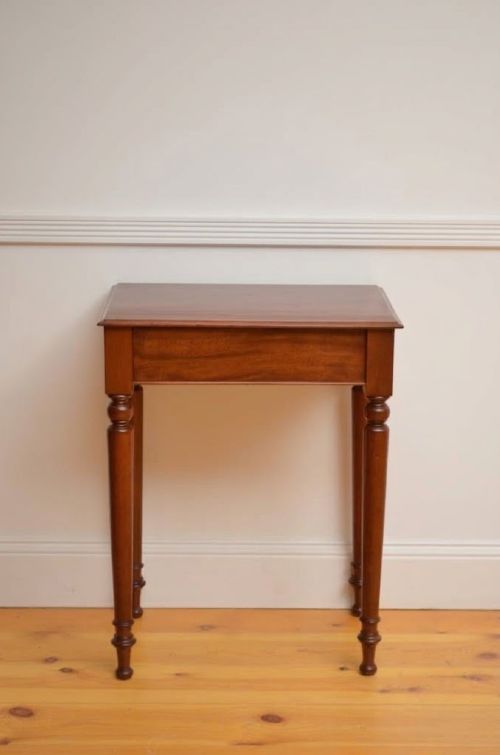
George III pieces tend to show restrained classical proportions with crisp boxwood stringing and elegant tapering legs. Victorian versions often incorporate heavier turned supports, bolder carving, and darker finishes reflecting nineteenth-century domestic tastes.
Examining the underlying secondary timbers and construction joints helps confirm the manufacturing era.
How do I maintain figured mahogany surfaces?
Keep mahogany timber away from direct sunlight and strong heat sources to prevent the polished veneer from fading or drying out. Regular dusting with a soft cloth and occasional application of traditional wax preserves the depth of the grain.