



Figural Pottery Jar
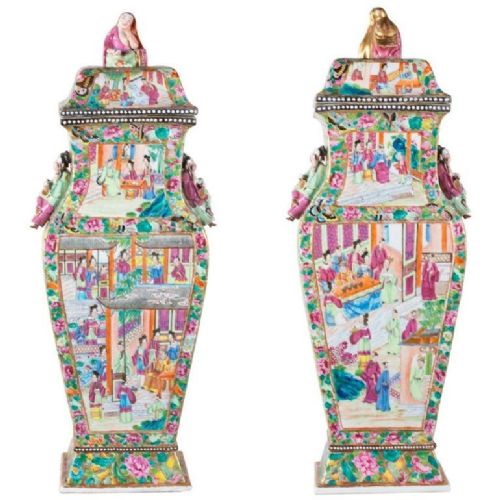
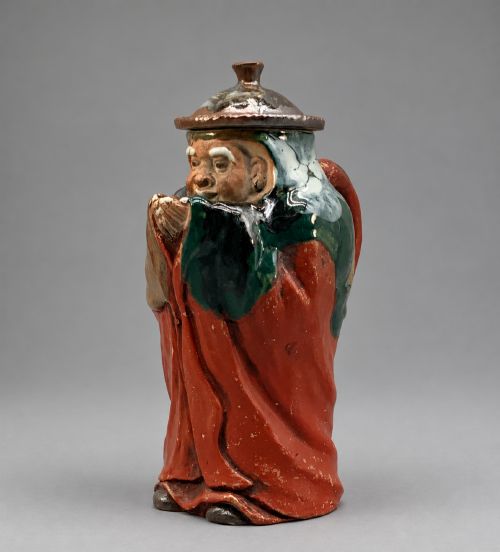
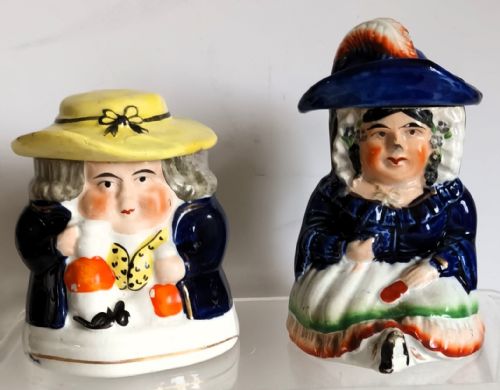
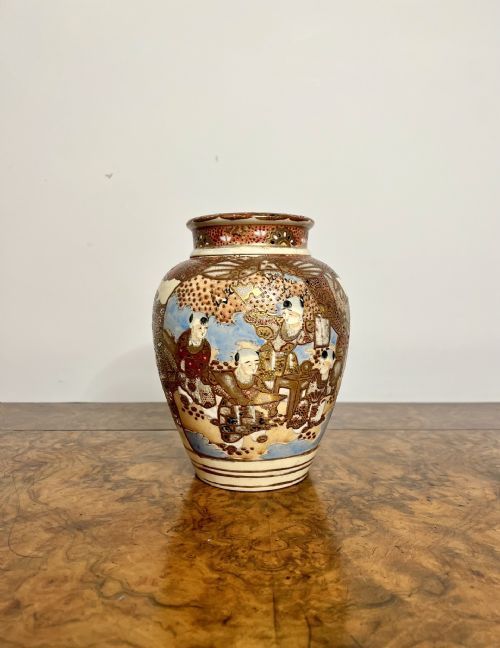
A figural pottery jar brings character and narrative to a room, offering sculpted human forms and painted scenes.
Figural Pottery Jar
A figural pottery jar incorporates human figures, portraits, or sculpted characters into its container or vessel form. When searching for a figural pottery jar, buyers encounter nineteenth-century pieces ranging from tobacco jars to lidded ginger jars and decorative vessels.
The selections span Victorian British productions alongside Asian works from the Meiji and Qing periods. Many examples utilise covered vessel designs, pairing functional storage containers with detailed sculptural elements.
Makers across Europe and Asia approached the form differently, blending utilitarian vessels with sculptural figures such as ladies, gentlemen, and traditional deities.
Materials and Construction
These pieces utilise earthenware, porcelain, terracotta, and ceramic bodies shaped into containers and sculptural figures. Artisans applied coloured glazes and enamel painting to detail the surfaces.
Many works incorporate gold leaf or gilt highlights alongside hand-painted polychrome scenes. Firing techniques varied from European majolica kilns to traditional Asian pottery centres.
Figural Pottery Jar Retail Price Guide 2026
Typical asking prices for figural pottery jar among the pieces listed under this phrase on Sellingantiques today, from the lower quarter to the upper quarter. They describe what is for sale here now, not the wider market.
Listings feature earthenware, porcelain, and terracotta materials decorated with enamel, glaze, and gold leaf across nineteenth-century styles.
Assessing Quality
Quality rests in the precision of the hand-painted detail and the crispness of the modelled figural components. Superior examples display careful brushwork on faces and garments, whereas lesser pieces show rushed application.
The integration between the jar body and the sculpted figures determines the overall artistic success of the piece. Well-executed glazes and controlled firing results elevate the standing of the work.
The Figural Pottery Jar Glossary
- Majolica
- A type of earthenware decorated with opaque coloured glazes over a tin-white ground. It achieved popularity in the nineteenth century for vibrant sculptural ceramics.
- Famille rose
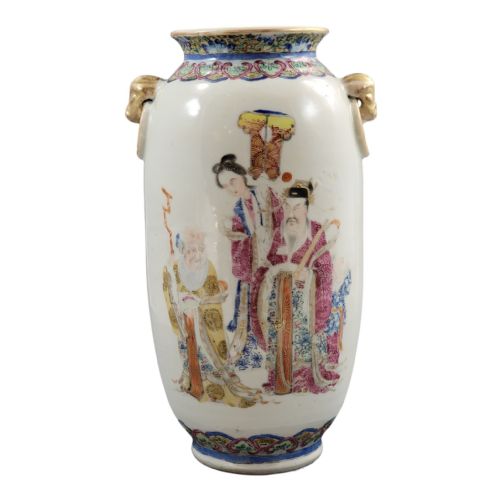
- A palette of Chinese porcelain enamels dominated by opaque pink or rose colours. Introduced in the Qing dynasty, it permitted shaded tonal effects.
- Satsuma
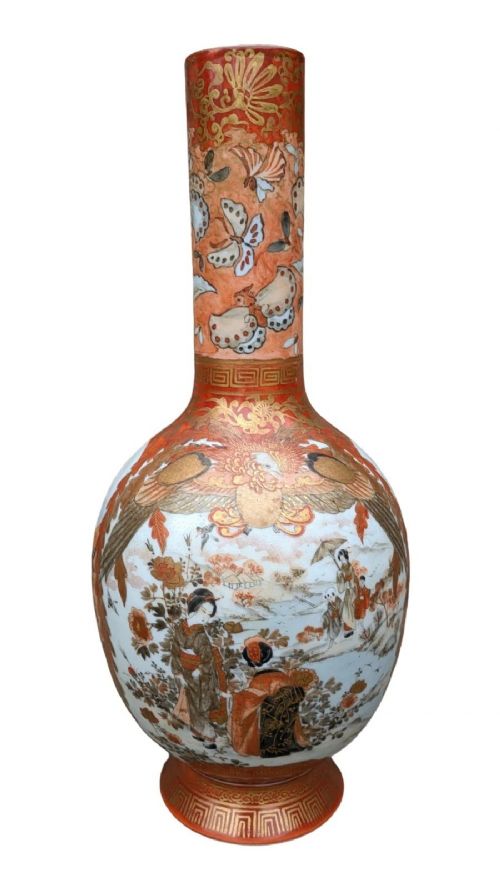
- Japanese earthenware pottery featuring a crackle-glaze ivory ground decorated with polychrome enamels and gilt. It gained major traction during the Meiji period.
- Kutani
- Japanese porcelain and pottery characterised by bold overglaze enamel designs. Red, green, and gold frequently dominate the palette.
- Tobacco jar
- A covered jar designed specifically to keep smoking tobacco moist and fresh. Nineteenth-century examples often featured figural lids or modelled bodies.
Figural Pottery Jar: Frequently Asked Questions
What were figural jars used for?
These vessels served both practical storage and display functions within the home. Tobacco jars held smoking leaf, whilst lidded ginger jars and decorative vessels stored dry goods or simply adorned the room.
Sculptural elements transformed everyday containers into ornamental focal points. Makers prioritised visual narrative alongside domestic utility.
How do I date a Victorian ceramic jar?
Dating relies on examining the ceramic body, glaze characteristics, and stylistic markers associated with nineteenth-century production. Victorian British pieces often utilise earthenware bases with colourful majolica glazes.
Maker marks, registration numbers, and known artist signatures help narrow down the production decade. Comparing the sculptural style to documented factory outputs confirms the era.
What is the difference between Satsuma and Kutani?
Satsuma wares feature a distinctive cream-coloured, crackled earthenware body heavily decorated with enamels and gilt. They often depict figures and complex narrative scenes.
Kutani ceramics utilise porcelain or stonepaste bodies with vibrant overglaze enamel colour schemes. Green and red pigments typically dominate Kutani ornamentation.
How should I display a ceramic jar?
Position these jars on stable surfaces away from high-traffic areas to protect projecting handles, lids, and figural elements. Adequate lighting helps reveal the subtle details of hand-painted enamels and gilt highlights.
Keep pieces out of direct sunlight to prevent enamel fading over time. Ensure the display location protects the ceramic body from accidental knocks.