

Female Portrait Artwork
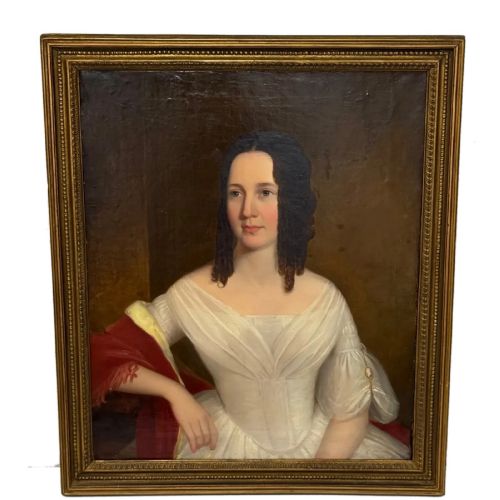
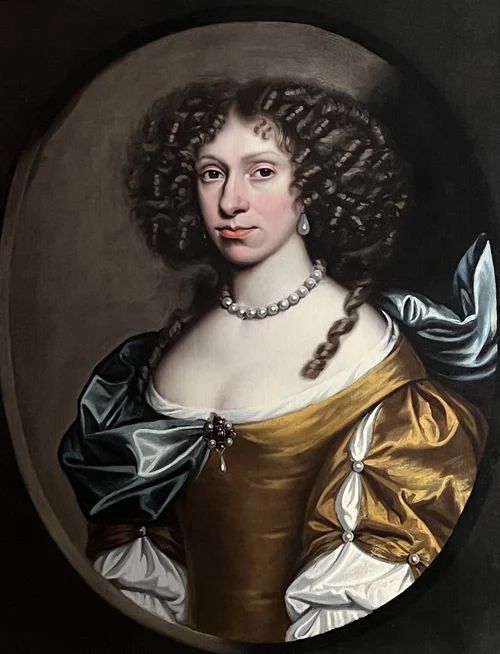
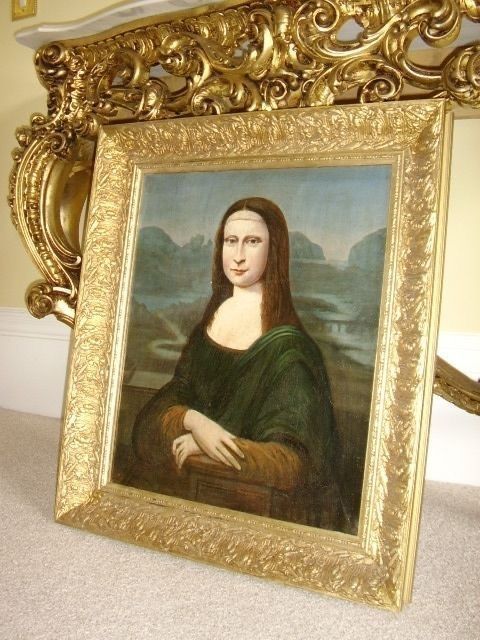
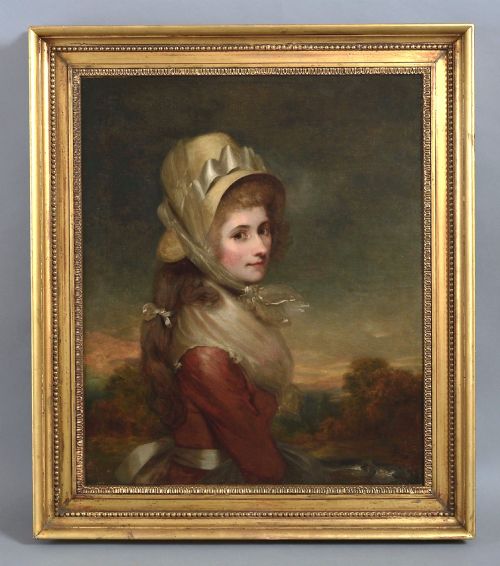
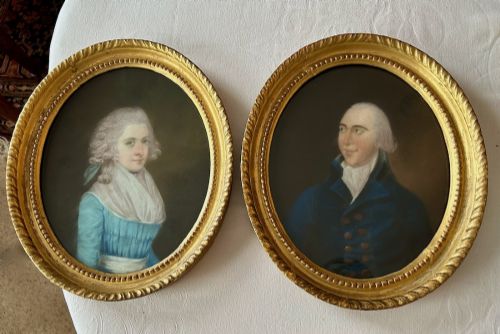
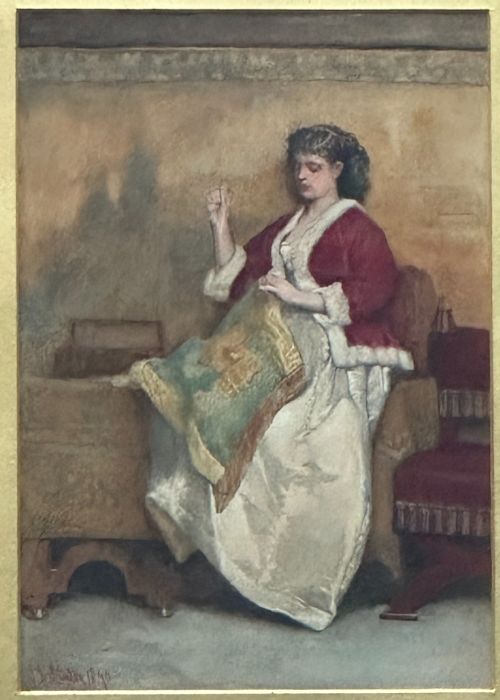
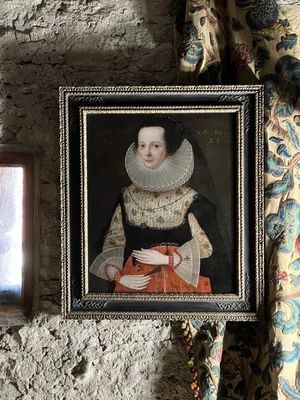
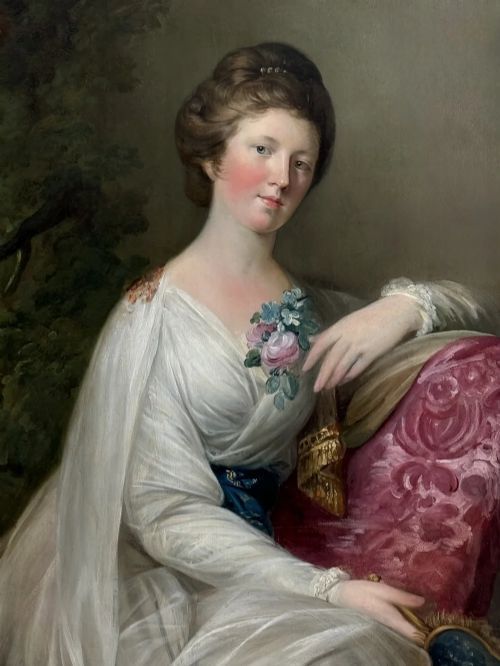
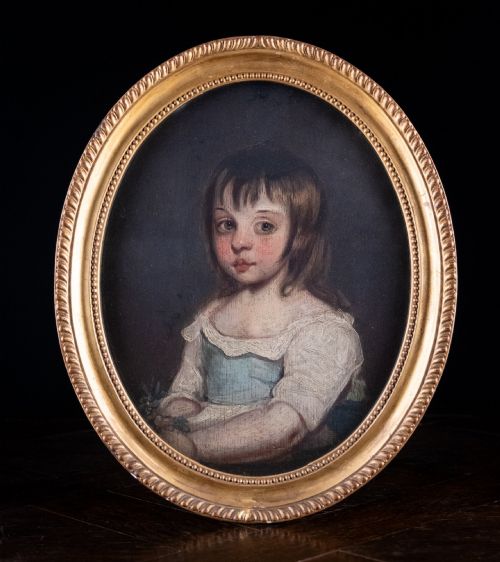
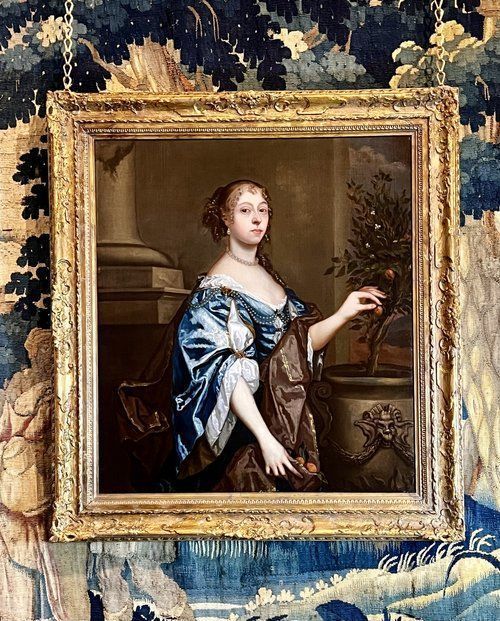
Female portrait artwork captures centuries of individual character through oil paintings, watercolours and engravings spanning the seventeenth century to the mid-twentieth century.
Female Portrait Artwork
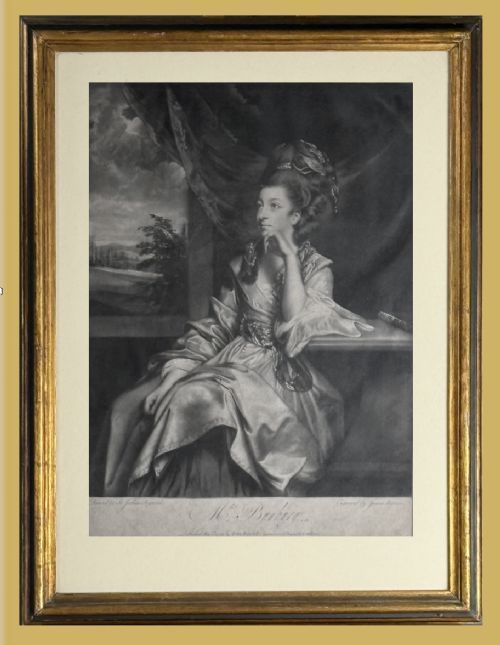
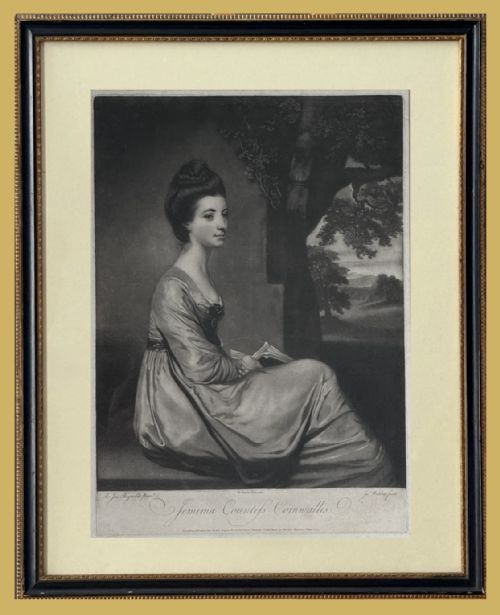
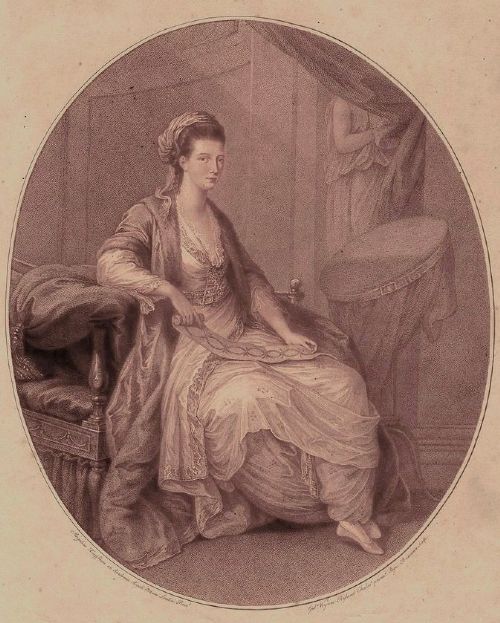
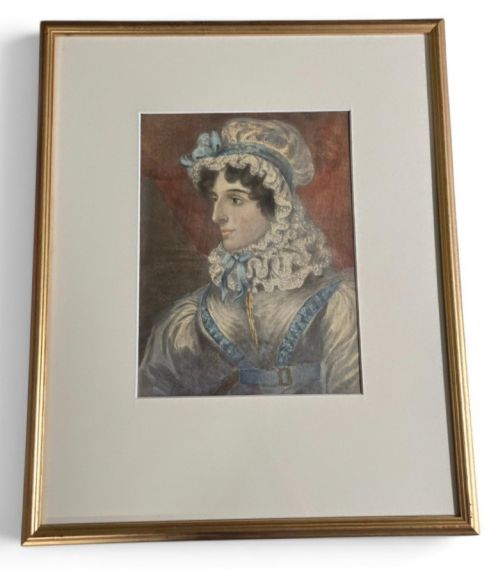
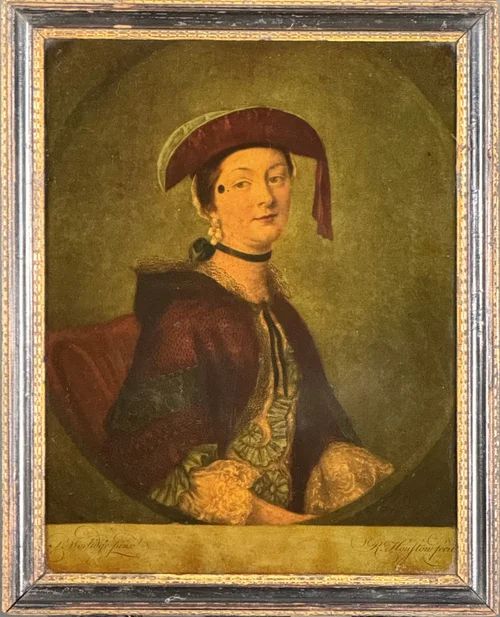
Female portrait artwork encompasses oil paintings, pastels, watercolours, and mezzotints depicting women from diverse social standing and periods. Buyers searching this category frequently encounter works executed in oil on canvas alongside detailed works on paper and framed prints.
The selection ranges from seventeenth-century nobility in elaborate costume to nineteenth-century domestic subjects and twentieth-century modernist interpretations. Traditional oil paintings dominate the offerings, accompanied by delicate portrait miniatures and printed engravings after master painters.
Materials and Construction
Artists primarily utilised oil paint applied to stretched canvas or wooden panels, building rich layers of colour and texture to define the subject. Works on paper frequently employ watercolour, pastel, or ink to achieve softer tonal gradations.
Framing forms an integral component of these pieces, utilising carved giltwood and traditional wood mouldings to house the canvas or paper securely. Reverse glass techniques and specialised print methods such as mezzotint also appear among the historical inventory.
Listings feature periods spanning from the seventeenth century through to the mid-twentieth century, predominantly executed in oil on canvas.
Distinctions in Quality
The historical significance of the sitter, the clarity of provenance, and the preservation of the original support material elevate certain pieces above standard decorative works. Condition of the pigment layer and the originality of the associated frame also influence the standing of an individual piece.
David Scougall·Sir Martin Archer Shee·Sir James Dromgole Linton·George Willison·James Watson·Sir Joshua Reynolds·Pieter Borsseler·Charles Spooner·Horace Hone·John Smith·Kenneth Cozens·Francois Boucher·Sir Thomas Lawrence·John Faber Jr·Sir Godfrey Kneller
The Female Portrait Artwork Glossary
- Mezzotint
- A printmaking process of the intaglio family where the plate is roughed with a rocker to achieve rich dark tones and subtle gradations. This technique was widely used in the eighteenth century to reproduce famous oil paintings.
- Attributed to
- A designation used when a work shows the style and hand of a specific artist but lacks definitive documentation. It denotes strong stylistic evidence linking the piece to a named maker or workshop.
- Oil on Canvas
- A traditional painting medium where pigments are suspended in a drying oil and applied to a woven fabric support. This combination offers exceptional durability and depth of colour.
- Pastel
- A dry painting medium consisting of powdered pigment and a binder, producing velvety surfaces with luminous colour. These works require protective glass glazing to prevent the pigment from shifting.
- Provenance
- The documented history of ownership of an artwork, tracing its origin and lineage to establish authenticity. A clear provenance enhances the historical value of a portrait.
Female Portrait Artwork: Frequently Asked Questions
How do I date an antique portrait?
Dating relies primarily upon the costume, hairstyle, and framing style associated with the subject at the time of creation. Examining the canvas preparation and stretcher construction offers further clues regarding the period.
Secondary evidence such as artist signatures, inscriptions on the reverse, and historical records help narrow the date range. Comparing the technique to known works from specific centuries confirms the chronological placement.
Where should I hang these portraits?
These works suit traditional living spaces, studies, or hallways where appropriate lighting enhances the depth of the oil pigments or delicate watercolours. Placing them away from direct sunlight protects vulnerable paper supports and coloured pigments from fading.
Wall placement should also account for humidity levels, avoiding damp exterior walls that might damage canvas or wood panels. Secure hanging hardware suited to the weight of heavy giltwood frames is essential.
How do oil paintings differ from paper works?
Oil paintings utilise durable canvas or wood panel supports that hold pigment securely through decades of display without requiring glass protection. The thick application of paint creates tangible texture and allows for subtle blending of tones.
Works on paper, including watercolours and pastels, use delicate media that require protective framing behind glass to prevent atmospheric damage. These pieces generally present a lighter, more transparent quality compared to heavier oil compositions.
What is an artist school?
An artist school refers to a group of painters working within a specific region and time period who share common techniques and stylistic traits. This term frequently denotes followers or workshop assistants working under the influence of a master.
Identifying the school helps place anonymous works within a broader cultural and historical context when a direct signature is absent. It connects the piece to established traditions of portraiture.