
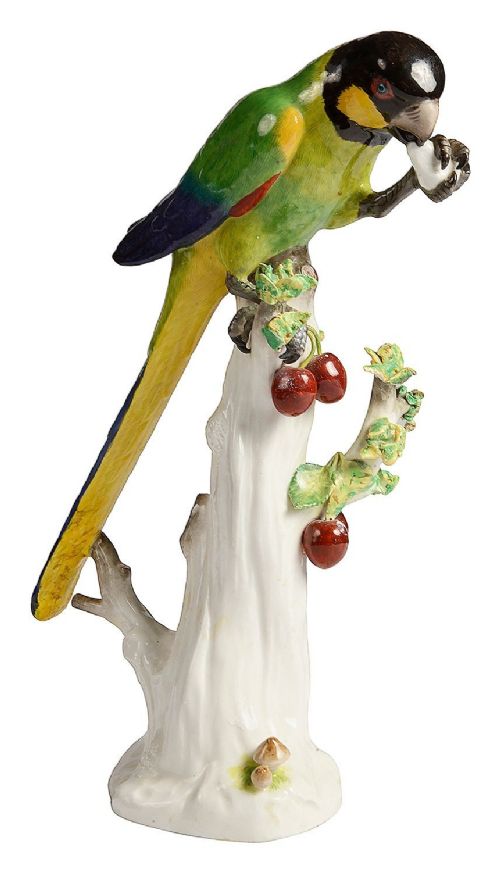


European Porcelain Figurine
These european porcelain figurine pieces bring cabinet-scale sculptural drama into a room, spanning delicate eighteenth-century groups and nineteenth-century pastoral figures.
European Porcelain Figurine
A european porcelain figurine selection centres on figures and groups shaped from porcelain, ranging from single subjects to complex multi-figure pastoral scenes.
Buyers encountering this page will frequently meet eighteenth-century and nineteenth-century examples, including pairs of gardeners, shepherds, and allegorical subjects.
Objects on display extend beyond simple statuettes to incorporate figural candlesticks and centrepiece bowls moulded in continental European factories.
Materials and construction
Pieces are formed from hard-paste porcelain and shaped by hand into detailed figural models before undergoing high-temperature firing.
Surface decoration relies on applied enamel, hand-painted glaze, and occasional gold leaf or gold gilt highlights to accentuate garments and natural settings.
Recorded object types include candlesticks, centrepiece bowls, and figural groups depicting pastoral subjects.
Judging quality and execution
Quality rests upon the crispness of the modelling in the porcelain paste and the precision applied to facial expressions and hand-painted enamel details.
Earlier factory pieces demonstrate finer sculptural depth in multi-figure groups compared to later mass-produced Victorian or continental interpretations.
Meissen·Samson·Ludwigsburg·Karl Tutter·Royal Dux
The European Porcelain Figurine Glossary
- Hard-paste porcelain
- A dense, vitrified ceramic composition fired at very high temperatures. This material forms the durable base for traditional European figures.
- Enamel
- Vitrified glass paste applied over the glazed porcelain surface and refired for colour. It provides the vibrant polychrome hues seen on garments and foliage.
- Gold gilt
- A thin layer of gold applied to details such as borders and attributes. It adds a reflective finish to the porcelain forms.
- Marcolini Period
- The era of Meissen factory production spanning the late eighteenth century. Pieces from this time carry distinct administrative factory marks.
European Porcelain Figurine: Frequently Asked Questions
What periods do these figures come from?
The selection spans from the eighteenth century through the nineteenth century, including specific dates such as seventeen seventy-five and eighteen ninety.
Items represent distinct periods of European ceramic manufacturing, covering both early factory pieces and later revival styles.
How were these porcelain figures used?
These pieces served as decorative table ornaments, mantel displays, and centrepieces within wealthy nineteenth-century and eighteenth-century interiors.
Certain items, such as figural candlesticks, combined sculptural display with practical illumination functions.
What styles are represented here?
Styles encompass Rococo, Rococo Revival, Victorian, Art Nouveau, and Art Deco designs.
Many nineteenth-century continental works deliberately imitate earlier eighteenth-century Chelsea or Derby aesthetics.
How do I identify factory marks?
Factory origins are typically indicated by underglaze blue or impressed marks on the underside of the porcelain base. Different periods used specific symbols, such as crossed swords for Meissen.
Examining the paste and the painting style alongside any visible marks helps confirm the workshop of origin.