





European Impressionist Landscape Artwork
European impressionist landscape artwork captures light and atmosphere across continental scenes, offering a tangible connection to nineteenth and twentieth century plein air traditions.
European Impressionist Landscape Artwork
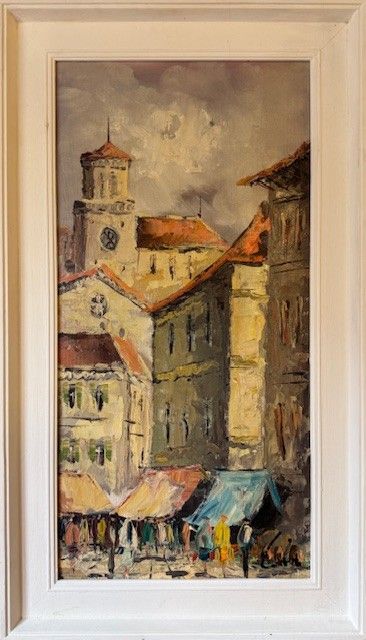
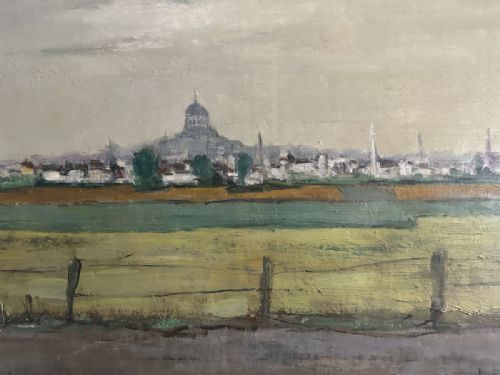
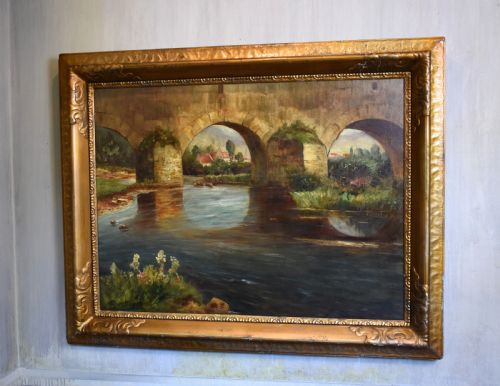
European impressionist landscape artwork encompasses oil paintings depicting rural views, cityscapes, canals, and market squares from across the continent. Buyers exploring this selection encounter works spanning the nineteenth century through the mid twentieth century, including pieces grouped under French, Flemish, Dutch, and Italian schools.
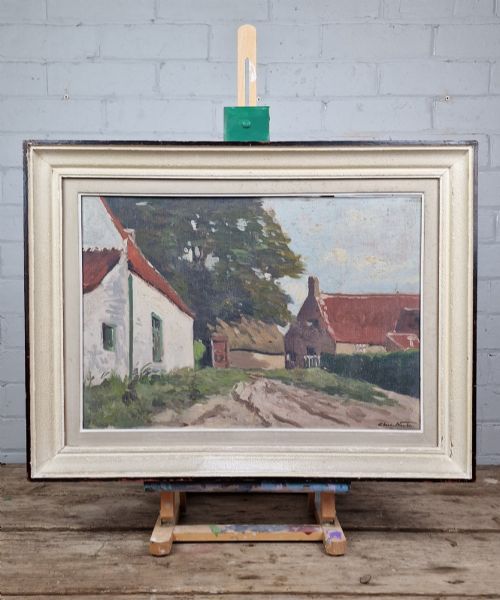
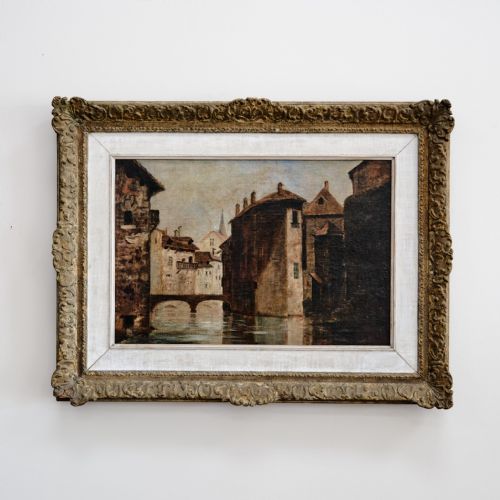
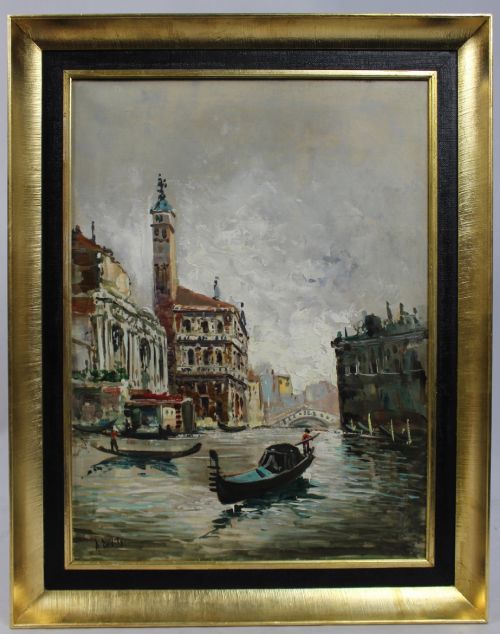
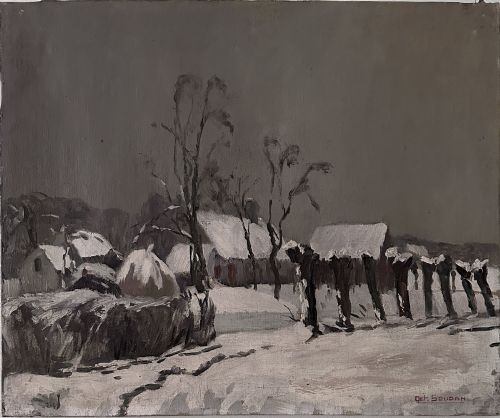
The most common formats on this page are oil paintings rendered on canvas or wood panels. These pieces frequently capture continental locations such as Venetian canals, French farmyards, and snowy villages through loose brushwork and varied handling of light.
The selection ranges from works by known regional painters to unsigned canvases originating from nineteenth century French and twentieth century mid century contexts. Each piece reflects the enduring appeal of capturing fleeting atmospheric conditions in paint.
Materials and Techniques
Pigments ground in oil provide the primary medium for these works, applied to supports such as woven canvas, wooden panels, or board. This medium allows for rich impasto and fluid blending that characterises impressionist and post-impressionist handling.
Makers often built up surfaces with gesso beneath the paint layer to prepare the ground, while frames occasionally incorporate gold leaf detailing. The physical construction relies on stretcher frames for canvas or rigid wooden boards to support the weight of the oil layers.
Listings feature oil paint on canvas and wood, spanning periods from the nineteenth century to the 1960s.
Judging Quality
Quality rests upon the confidence of the brushwork and the artist's command of light and tonal harmony. Superior examples demonstrate a purposeful rhythm in the application of oil paint, where every stroke defines form or atmosphere without hesitation.
The relationship between the subject and the framing edges contributes to the visual success of a composition. Stronger works maintain structural integrity within the paint layers and show thoughtful balance across the canvas or panel.
Charles Houben·Antonio DeVity·Paul-Élie Gernez·E A Minardo·Job de Vogel·Alois Arnegger·Franz Reder-Broili·A. Michaelis·Henri Therme·Paul Paul·Martin Lamotte·Christiaan Pieter Snyders·Letitia Marion Hamilton
The European Impressionist Landscape Artwork Glossary
- Impressionism
- A nineteenth century painting style focused on capturing the visual impression of a moment, particularly shifting light and colour. This approach relies on visible brushstrokes and unblended pigments.
- Post-Impressionism
- A subsequent artistic development that extends impressionist techniques while placing greater emphasis on geometric forms, expressive colour, and symbolic content. Painters in this vein retained loose brushwork while exploring distinct personal styles.
- Oil Paint
- A slow drying paint made by mixing pigments with a drying oil, commonly linseed oil. It allows artists to work wet into wet and build rich textured surfaces.
- Gesso
- A plaster mix used as a primer on wood panels or canvas to create a smooth, stable surface for oil painting. It seals the support and provides tooth for the paint.
- Gold Leaf
- Gold beaten into extremely thin sheets used for gilding frames and decorative elements surrounding artworks. It adds reflective warmth to the perimeter of a painting.
European Impressionist Landscape Artwork: Frequently Asked Questions
What periods do these artworks cover?
The works span from the nineteenth century through the 1960s, encompassing various regional schools and mid-century movements.
Dating relies on stylistic evidence, signatures, and period materials recorded in the listings.
Which supports are used for these paintings?
Painters utilised canvas, wood panels, and rigid boards to support their oil pigments. Each support imparts a distinct texture to the finished surface.
Canvas remains the most frequent support found among these continental landscapes.
How should I display an oil painting?
Display paintings away from direct sunlight and excessive humidity to protect the oil paint and wooden supports. Adequate wall space allows the brushwork and composition to be viewed clearly.
Most pieces are suited to traditional framing that complements the period of the artwork.
Are these works signed by the artists?
Some pieces feature legible signatures and dates from named European artists, while others remain unsigned or attributed to regional schools.
Signatures provide direct attribution to painters active during the nineteenth and twentieth centuries.