


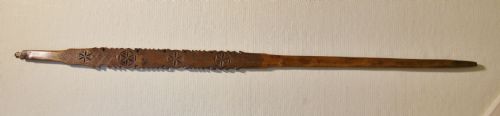


European Folk Art Carving
These european folk art carving pieces bring regional craft straight into domestic rooms, offering genuine personality and history for your collection.
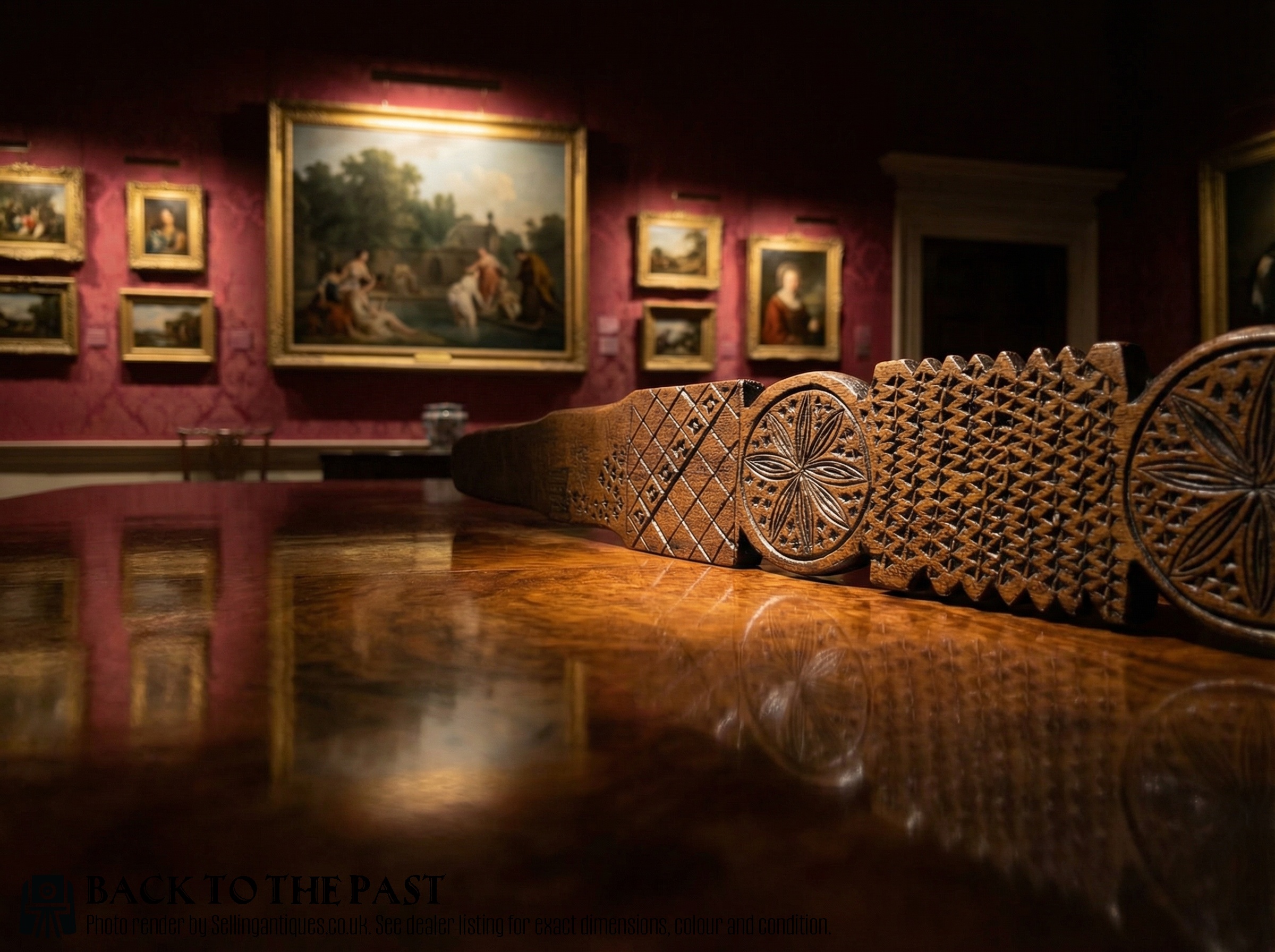
European Folk Art Carving
When you search for european folk art carving, you encounter a diverse range of functional and decorative items shaped by local makers across centuries. The selection spans the seventeenth, eighteenth, and nineteenth centuries, alongside pieces from nineteen hundred and nineteen forty, capturing distinct regional identities.
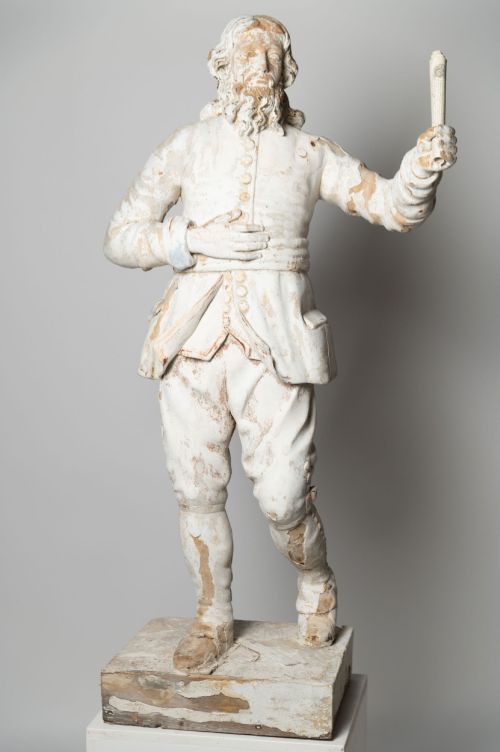
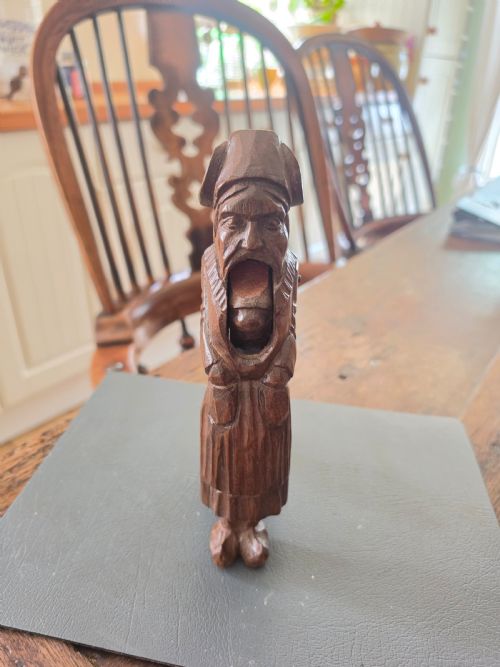
The objects take many forms, including carved figures of noblemen and night watchmen, practical nutcrackers, and intricate textile tools such as distaffs. You will also find seating like Swiss alpine escabelle chairs and Austrian folk chairs, plus painted dowry chests and settles.
Every piece reflects the vernacular traditions of its origin, whether Alpine, Swiss, Austrian, Hungarian, or central European. These items bridge daily utility and expressive sculpture, offering rich textures and domestic charm.
How they were made
Makers shaped these objects primarily from wood, utilising oak, pine, hardwood, and general timber alongside organic materials like stag horn. Simple hand tools allowed carvers to turn blocks of timber into expressive figures, moulds, and furniture components.
Many surfaces received layers of paint or polychrome decoration to bring out facial expressions, costume details, and floral motifs. This combination of carved relief and applied pigment preserves the bright, unpretentious character intended by the original hands.
Objects range from functional textile tools and gingerbread moulds to seating like Swiss alpine escabelle chairs and Austrian settles.
What varies in quality
The integrity of the timber and the honesty of the construction also separate standard items from superior survivals. Original painted finishes and untouched patination elevate a piece, while later overpainting or replaced structural elements alter the historical character.
The European Folk Art Carving Glossary
- Distaff
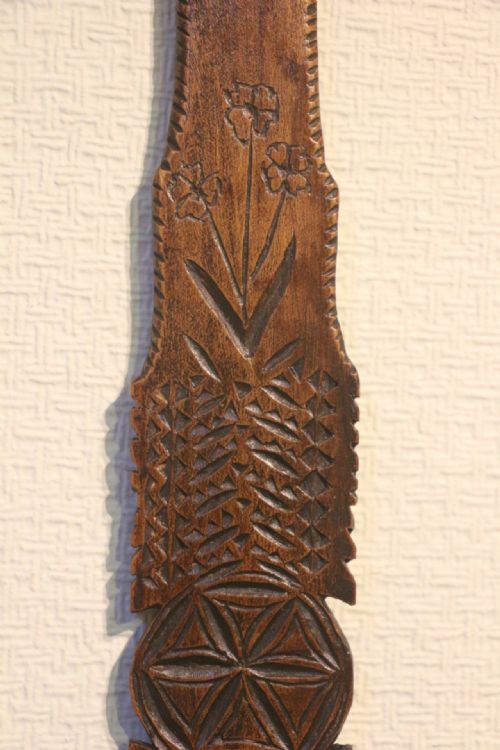
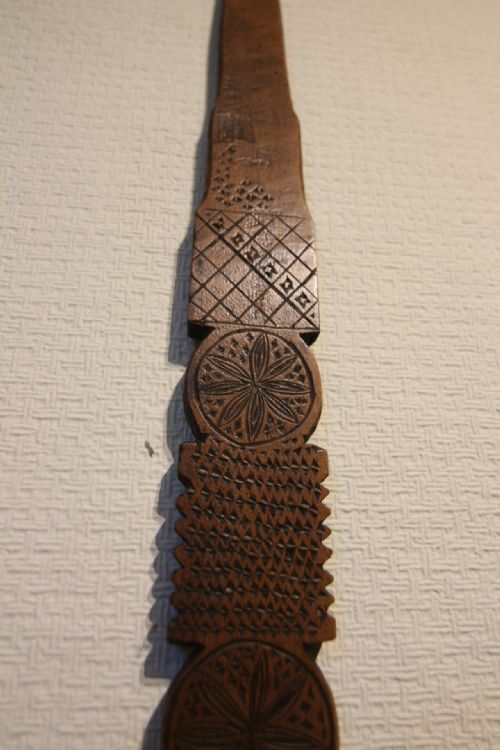
- A tool used in spinning, holding flax or wool before it is spun into thread. Carved examples often served as betrothal gifts, displaying intricate regional patterns.
- Gingerbread mould
- A large wooden board carved with a recessed design for shaping spiced biscuits before baking. These often featured horsemen or figures and hung on walls when not in use.
- Settle
- A wooden bench with high backrests, solid arms, and often a box seat beneath for storage. Painted versions formed the social centre of traditional rural rooms.
- Escabelle
- A traditional type of wooden chair associated with Alpine regions, constructed with sturdy legs and solid seats. They demonstrate utilitarian regional joinery.
- Polychrome
- The practice of decorating architectural elements, sculpture, or furniture in a variety of painted colours. This finish added vibrancy to unpretentious domestic timber.
European Folk Art Carving: Frequently Asked Questions
What is European folk art carving?
European folk art carving encompasses handcrafted wooden objects made by rural artisans for daily use, religious devotion, or domestic decoration.
These pieces reflect local traditions, materials, and stylistic preferences specific to regions like the Alps, Austria, and Switzerland.
How were carved distaffs used?
Distaffs held unspun wool or flax fibres securely during traditional hand spinning.
Carved versions were frequently given as tokens of affection, combining practical utility with ornate decorative carving.
How do I care for antique wooden folk art?
Keep wooden pieces away from direct sunlight and sudden temperature changes to prevent the timber from drying out or splitting.
Dust gently with a dry, soft cloth and avoid applying modern polishes or harsh chemical cleaners to painted surfaces.
How can I tell the age of a carved figure?
Dating relies on examining tool marks, timber shrinkage, wear patterns, and the stylistic traits of clothing depicted on the figure.
Original painted surfaces and natural patination accumulated through handling also provide reliable clues to a piece's age.