




European Country Bench
These european country bench examples bring robust folk art character and honest joinery into a modern interior.
European Country Bench
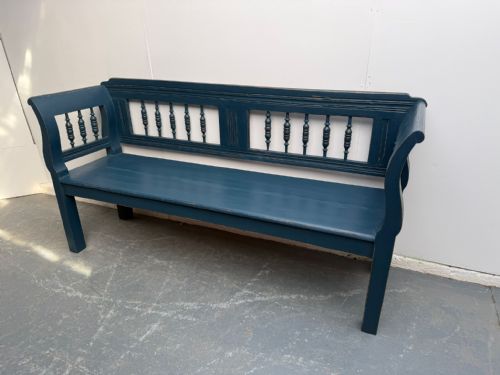
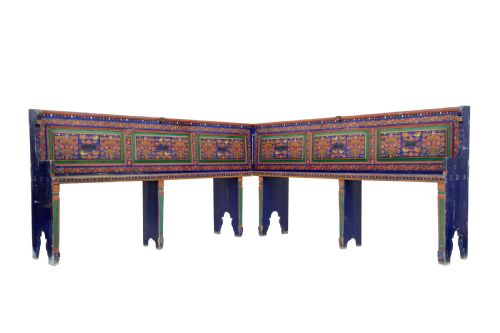
A european country bench encompasses vernacular seating forms shaped by regional traditions, including settle benches, corner seats, pigment-finished pews and low milking stools. These pieces serve practical household needs with straightforward construction and modest proportions.
The options most commonly encountered on this page originate from Hungarian workshops, Austrian makers and wider Eastern European regions. They span periods from the Georgian era through the nineteenth century, including dated examples from eighteen eighty and Victorian production.
Forms vary from long two or three seater settles down to narrow pig benches and individual milking stools. Makers utilised native timbers to build sturdy furniture designed for everyday domestic use rather than formal display.
How they were made
Makers constructed these benches primarily from pine, oak and general hardwood timber, selecting local woods for durability and availability. Surfaces were often left with a simple waxed finish or coated in original paint.
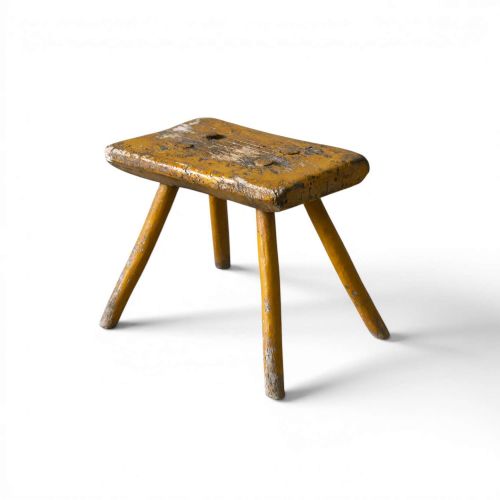
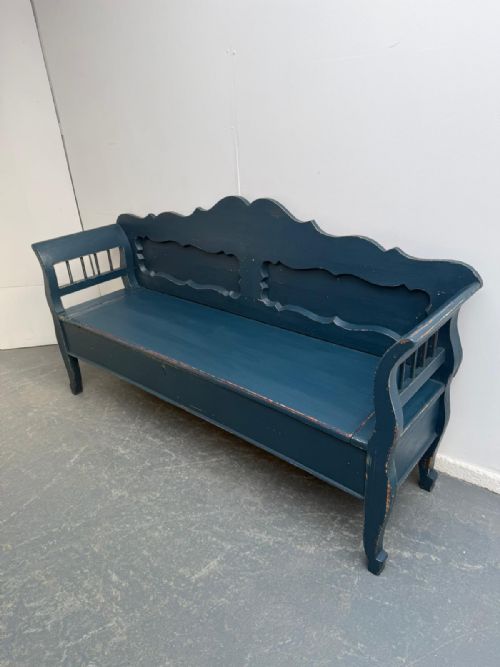
Paint finishes survive in distinct shades of ochre, blue and green, often showing the wear of decades of domestic service. Structural details include spindled backs, corner configurations and plank construction suited to rustic farmhouse use.
A tiny milking stool in bright ochre paint proves that even the humblest farm chores once demanded a cheerful splash of colour.
What varies in quality
Quality rests in the survival of original surface treatments and the integrity of the timber. Pieces retaining their early blue, green or ochre paint command distinct interest compared to later stripped or refinished surfaces.
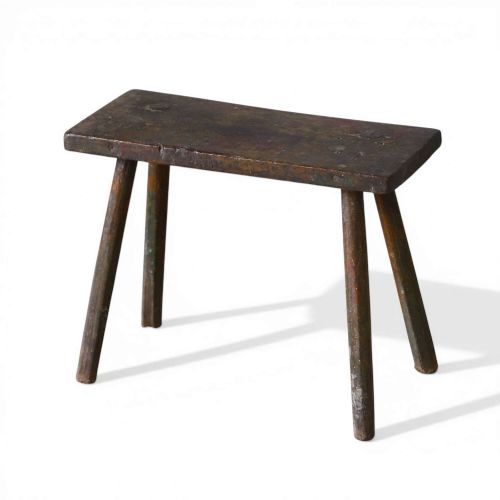
Proportion and scale also separate standard items from finer vernacular examples. A narrow oak pig bench or a well-proportioned three seater settle displays purposeful craftsmanship tailored to specific rural spaces.
The European Country Bench Glossary
- Settle bench
- A high-backed wooden bench designed to block draughts in traditional rooms. It often incorporates a solid panelled back and storage beneath the seat.
- Pig bench
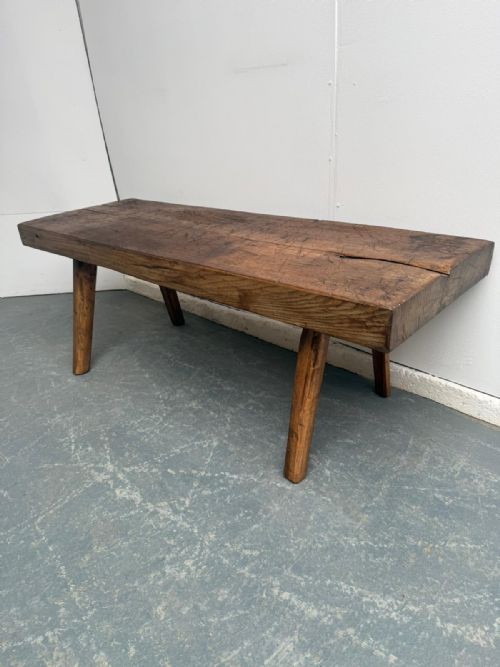
- A low, narrow wooden form used in agricultural settings. These pieces feature robust hardwood or pine construction built for heavy daily utility.
- Milking stool
- A small, simple three-legged or four-legged seat used by agricultural workers. They represent the most compact form of vernacular folk seating.
- Folk art
- Decorative traditions and utilitarian craftsmanship rooted in regional community culture. In these pieces, it manifests through hand-applied pigment and straightforward carpentry.
European Country Bench: Frequently Asked Questions
What is a european country bench used for?
These benches provide functional seating in hallways, kitchens and living spaces where a smaller footprint or rustic character is desired.
Their robust timber construction also suits them for heavy daily use or as display surfaces for textiles and plants.
How do I identify the period?
Dating relies on construction methods, timber choice and surface wear observed across Georgian, Victorian and nineteenth century examples.
Clues include tool marks, hand-mixed historical paint pigments and regional joinery styles characteristic of specific European areas.
Are painted finishes original?
Many pieces retain early or original pigment layers such as ochre, blue or green paint applied decades ago.
Examining the surface wear helps distinguish genuine historic finishes from later decorative overpainting.
How do I care for antique pine?
Maintain waxed surfaces with traditional beeswax to nourish the timber and protect the original grain.
Keep pieces away from direct heat sources and sudden humidity changes to prevent movement in the old wood.