


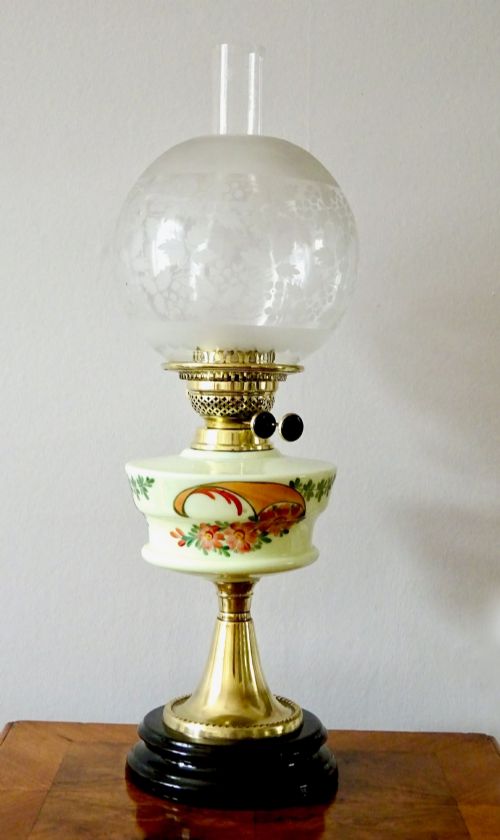

Etched Glass Oil Lamp
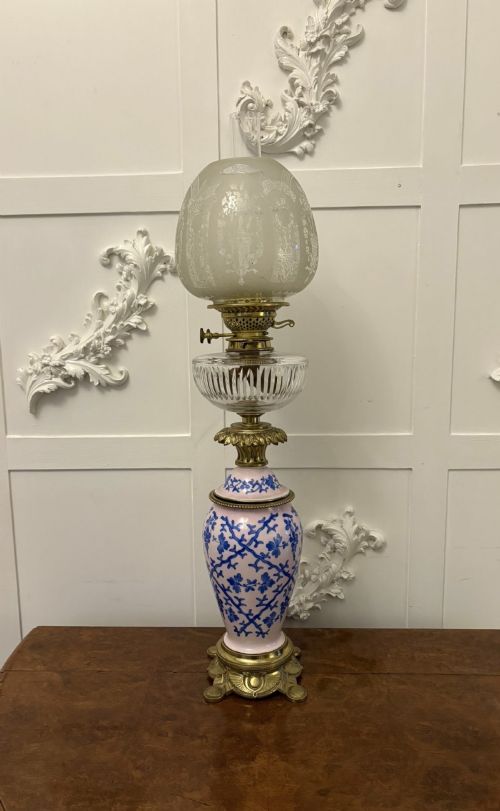
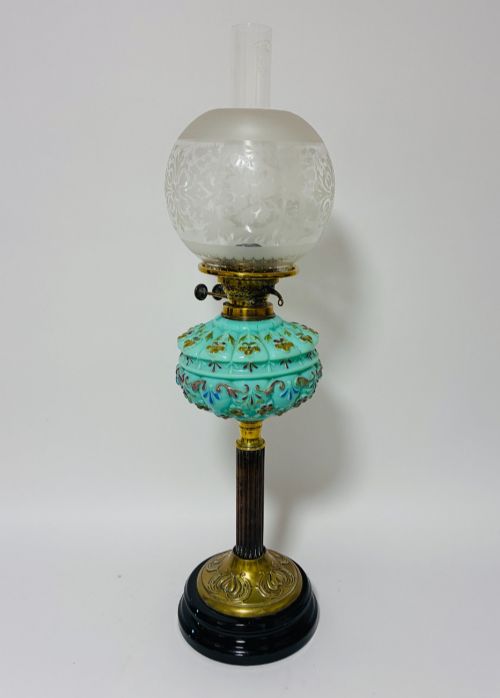
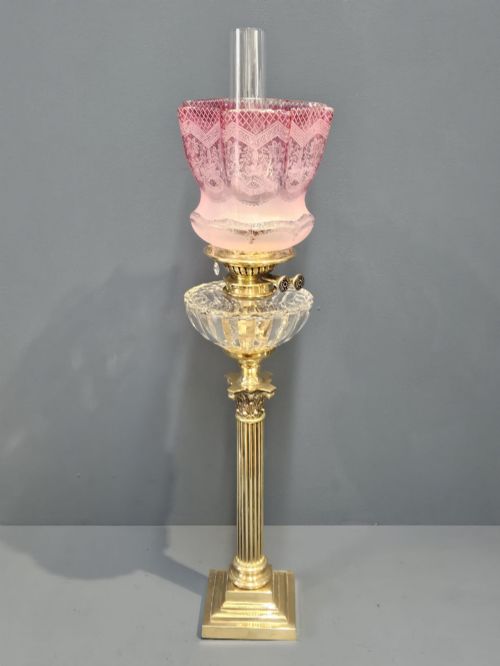
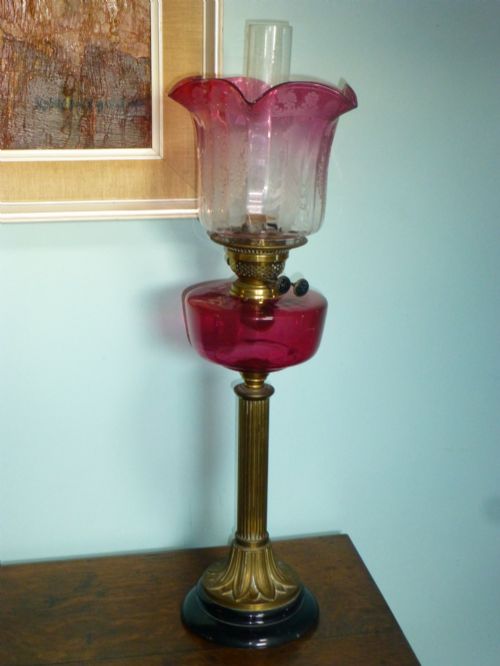
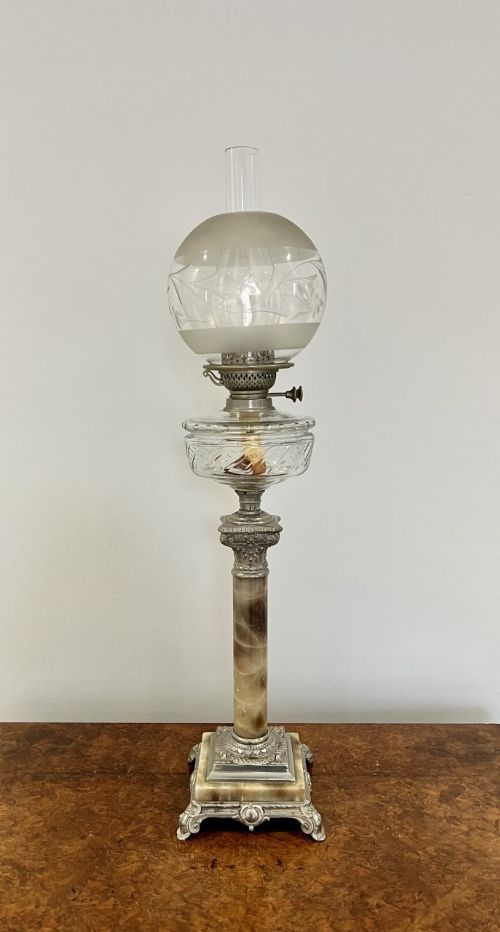
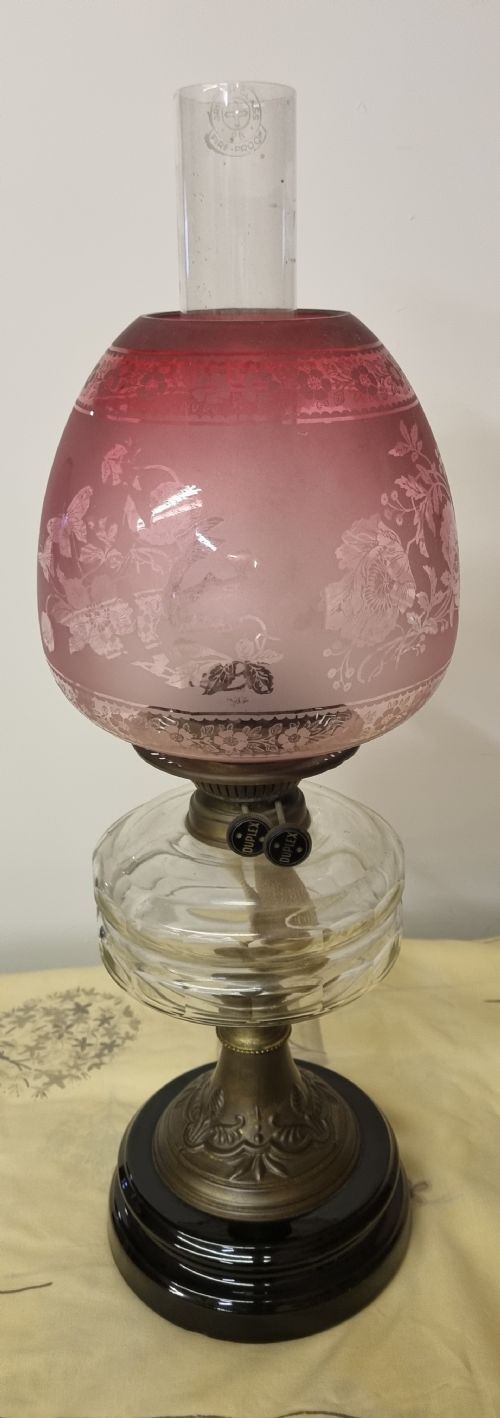
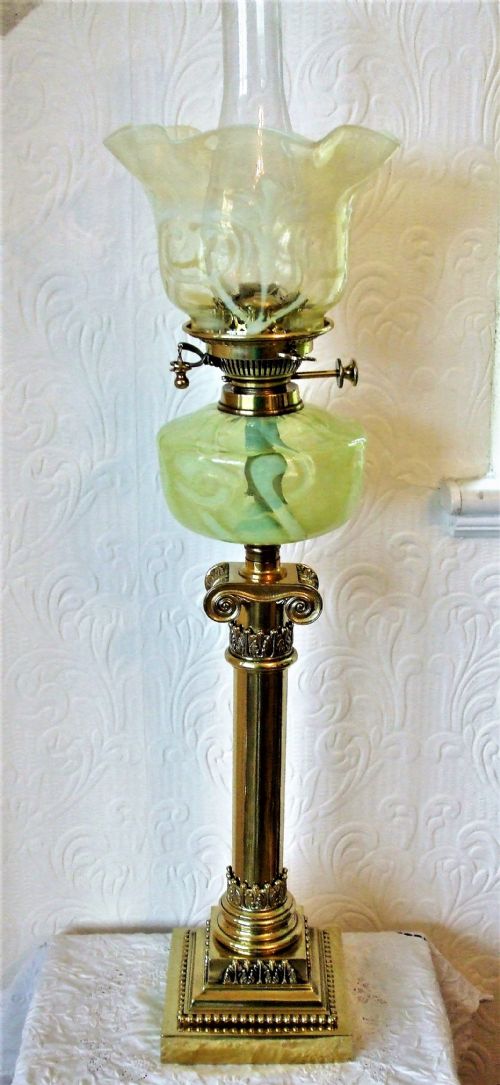
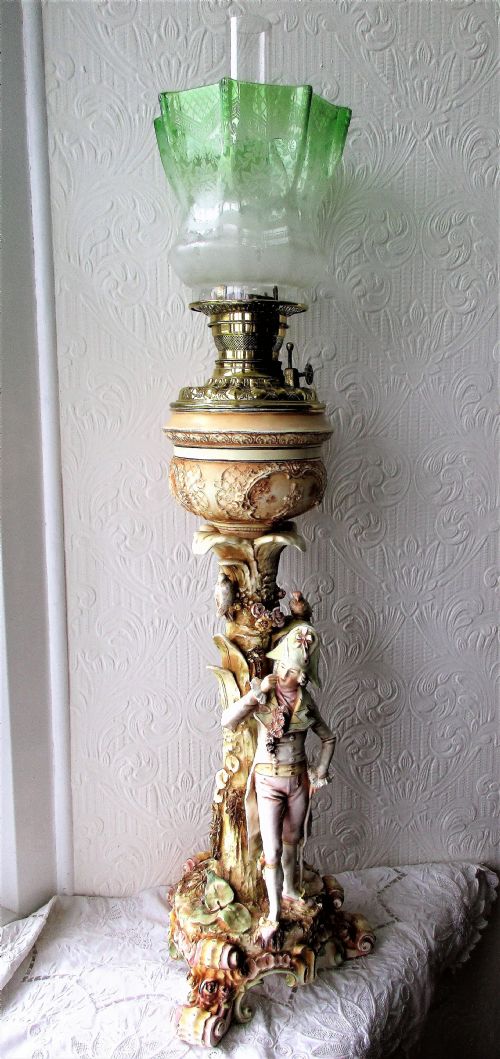
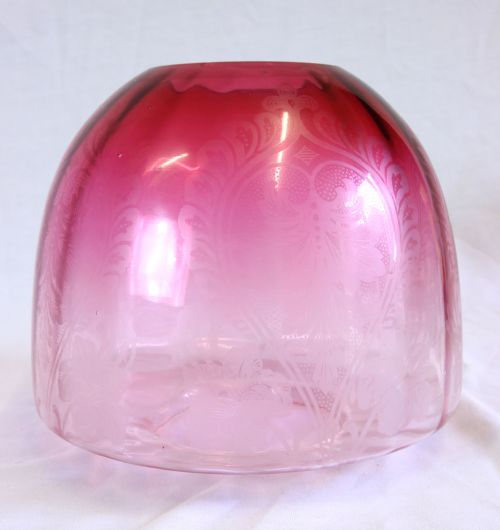
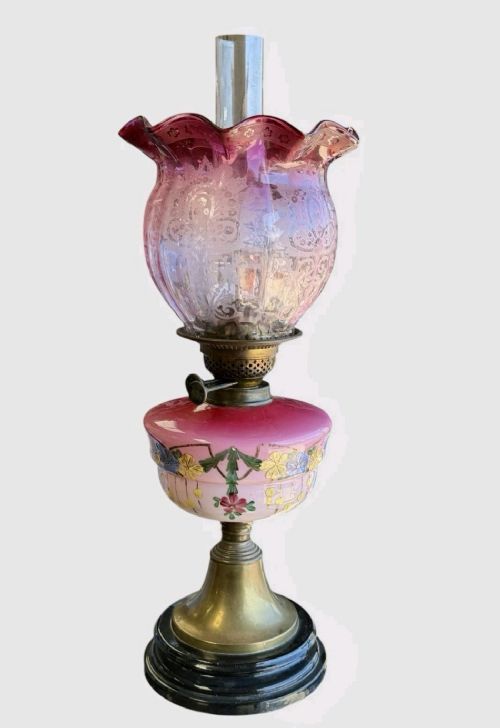
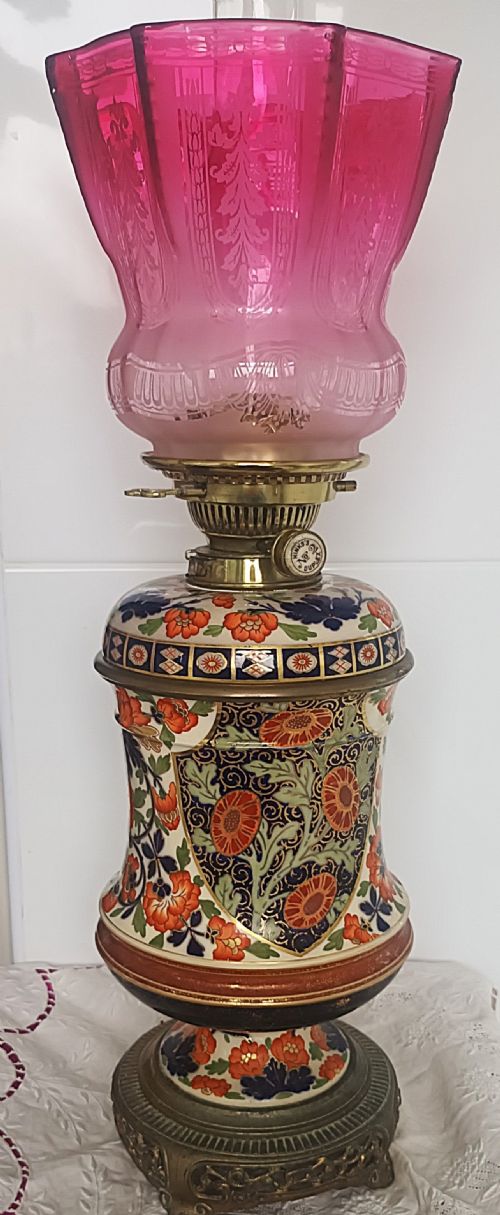
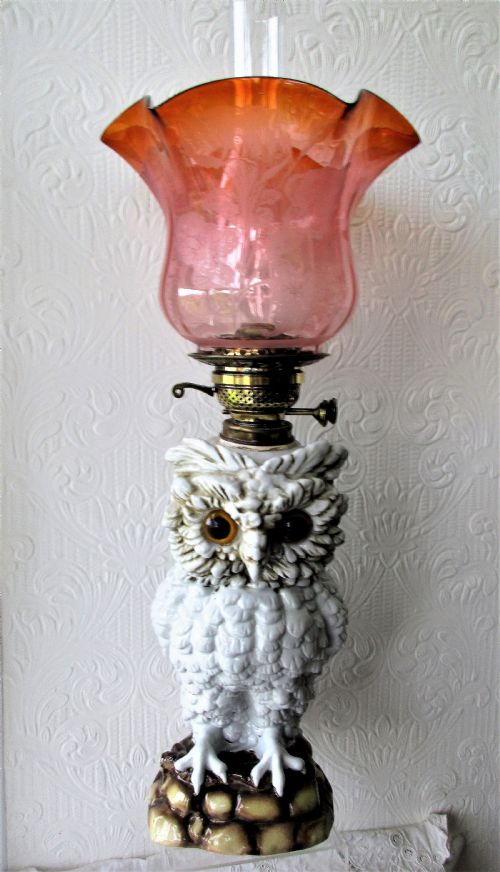
These etched glass oil lamp examples bring nineteenth-century warmth into a room, combining brass columns and tinted fonts with decorative glass shades.
Etched Glass Oil Lamp
When you search for an etched glass oil lamp, you enter a field dominated by nineteenth-century Victorian lighting, from tall Corinthian columns to smaller table lamps. The versions most commonly met on this page combine a metal or ceramic base with a coloured glass font and a matching glass shade.
Makers paired materials to create functional domestic items that also served as decorative centrepieces in Victorian parlours. Alongside complete lamps, the selection includes separate tulip shades and fonts in cranberry, ruby, amber, and green glass.
The styles span classical revival columns, figural porcelains, and transitional Edwardian pieces up to the early twentieth century. Most surviving examples rely on brass or copper columns paired with cut or clear glass reservoirs.
How they were made
Foundry workers cast brass and copper into Corinthian or Ionic columns, whilst ceramists shaped porcelain and pottery bodies into figural or classical shapes. Burner mechanisms, such as duplex systems, required precision engineering in metal to regulate the flame.
Glassmakers blew and moulded vessels into fonts and shades, often casing layers of coloured glass like cranberry or ruby over clear glass. Artisans then utilised wheel-cutting and acid-etching techniques to carve floral, botanical, or geometric patterns into the surface of the glass shades.
Etched Glass Oil Lamp Retail Price Guide 2026
Typical asking prices for etched glass oil lamp among the pieces listed under this phrase on Sellingantiques today, from the lower quarter to the upper quarter. They describe what is for sale here now, not the wider market.
Listings feature nineteenth-century and Edwardian pieces, combining brass, cranberry glass, porcelain, and ceramic materials in column and table lamp forms.
What varies in quality
The distinction between standard domestic lighting and top-tier examples rests on the crispness of the brass casting and the depth of the glass etching. Superior pieces display finely detailed Corinthian capitals, heavy gauge metal, and robust duplex burners stamped with maker names like Hinks.
The quality of the glass font and shade dictates visual success, with layered cranberry colours and hand-painted details commanding greater visual depth. Balance and proportion across the column, font, and shade separate master assemblies from mismatched components.
Hinks of Birmingham·Taylor Tunnicliff·Sitzendorf
The Etched Glass Oil Lamp Glossary
- Duplex burner
- A double-wick mechanism that produced a brighter flame than single-wick predecessors. These burners often bear maker stamps on the brass thumb-turns.
- Font
- The oil reservoir sitting atop the lamp column. These appear in brass, ceramic, and coloured glass such as cranberry, pink, and blue.
- Tulip shade
- A flared glass shade shaped like an opening flower. They were acid-etched or cut to diffuse the light.
- Cranberry glass
- A rich red-pink glass created by adding gold chloride to the molten batch. It forms a cornerstone of Victorian table lamp aesthetics.
Etched Glass Oil Lamp: Frequently Asked Questions
Can I convert these lamps to electricity?
Many collectors prefer to preserve the original burner mechanism, but wiring can be threaded through the central column without drilling structural brass. Professional conversion maintains the exterior appearance while providing safe modern lighting.
Retain the original duplex burner parts even if you rewire the interior. Reversible conversion methods protect the historic integrity of the lamp body.
What fuels do these burners require?
Nineteenth-century duplex burners were designed for paraffin oil, which burns cleanly with minimal odour when properly adjusted. Avoid modern heavy oils or scented lamp oils that clog cotton wicks.
Ensure the room is adequately ventilated when burning liquid fuel indoors. Modern lamp oil formulated for indoor use prevents soot accumulation on delicate etched shades.
How do I date a Victorian oil lamp?
Examine the burner mechanism for patent dates and maker names, which provide a reliable manufacturing window. Brass casting styles and ceramic body types further help narrow the decade of production.
Late nineteenth-century examples often feature elaborate brass columns and cranberry glass shades, whereas 1910 pieces lean towards simpler brass configurations. Compare the font material and colour palette against known production periods.