


Ersari Rug Wall Hanging
An ersari rug wall hanging brings tribal textile history into a modern interior through rich wool weave and patterned motifs.
Ersari Rug Wall Hanging
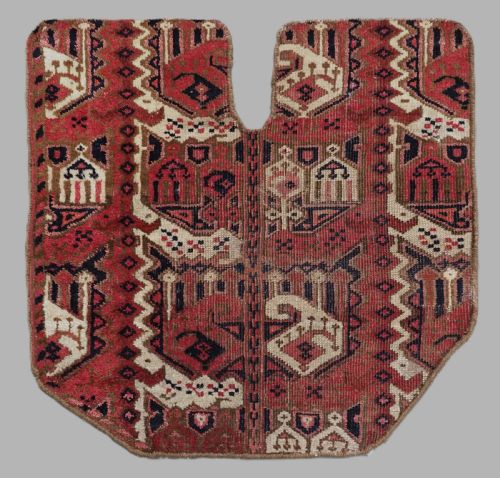
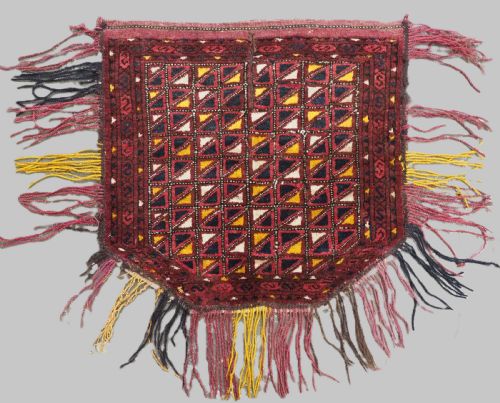
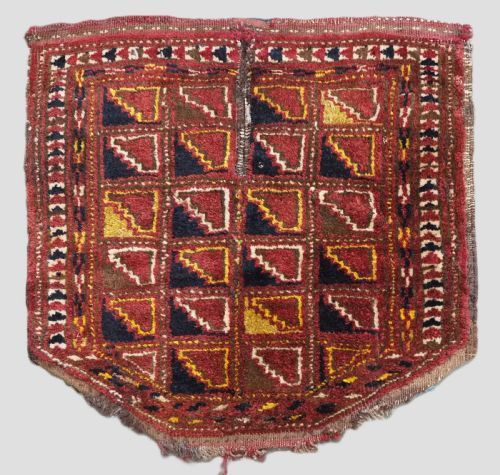
When you search for an ersari rug wall hanging, you encounter historical Turkmen tribal weavings primarily produced across Central Asia during the late nineteenth and early twentieth centuries. These textile pieces include various functional forms such as torbas, chuvals, saddle covers, and door hangings which now serve as decorative wall displays.
The pieces most frequently met on this page date from the 1870s to the 1930s, reflecting nomadic and village weaving traditions. Collectors find specific tribal subtypes within the Ersari grouping, including Beshir and Kizil Ayak designs, alongside various gul motifs.
Many examples represent fragments or complete faces of storage bags and tent trappings rather than floor carpets. Their transformation into wall hangings preserves intricate tribal artistry intended originally for nomadic domestic utility.
Quality variations in tribal textiles
Quality differences emerge through the crispness of design execution and the complexity of tribal motifs such as the gul, chodor ertum, or ikat patterns. Finer pieces demonstrate superior wool preparation and more saturated natural dye lots that maintain visual depth across the surface.
The preservation of original structural elements, including complete tassels, borders, and backs, distinguishes higher-tier examples from heavily altered fragments. The clarity and unusual nature of the design geometry further separate standard utility pieces from exceptional tribal works.
Several storage bag faces retain their original glass beads, designed long ago to ward off the evil eye.
The Ersari Rug Wall Hanging Glossary
- Torba
- A small Turkmen storage bag produced for domestic utility inside a tent. These pieces often feature prominent gul patterns and delicate silk highlights.
- Chuval
- A large tent storage bag designed for bedding and household goods. Surviving examples usually display multiple gul medallions across the face.
- Gul
- A repeating medallion motif used extensively in Turkmen tribal rug design. Each pattern often identifies a specific tribal group or lineage.
- Beshir
- A regional sub-style of Ersari weaving known for distinctive ikat designs and varied palette choices. These pieces originate from the middle Amu Darya region.
- Kapunuk
- A decorative tent door hanging or portiere placed around the entrance of a nomadic dwelling. They typically display specialised formats with side flaps.
- Elem
- The decorated lower panel of a rug or chuval. This section often contains subsidiary motifs separate from the main field design.
Ersari Rug Wall Hanging: Frequently Asked Questions
What is an ersari rug wall hanging?
An ersari rug wall hanging is a historical tribal textile, such as a torba or chuval face, woven by Turkmen groups in Central Asia.
These pieces were originally functional storage bags or tent trappings before being repurposed for interior display.
How do I hang a tribal rug safely?
Mounting a textile requires distributing the weight evenly across the entire upper edge to prevent distortion of the wool foundation.
Specialists often recommend using a fabric sleeve stitched to the reverse or a padded wooden support system.
How old are these textile pieces?
The pieces listed here generally date from the late nineteenth century through to the early decades of the twentieth century.
Examples span from the 1870s up to the 1930s, reflecting traditional nomadic weaving periods.
What materials were used in creation?
Weavers utilised hand-spun wool and cotton, combined with natural dyes to produce the distinctive colour palette.
Certain examples incorporate additional materials such as silk highlights and glass beads for decorative emphasis.