

Antique Central Asian Weave
When you search for an antique central asian weave, you are looking at tribal rugs, bags, and covers made across the steppes and oases.
Antique Central Asian Weave
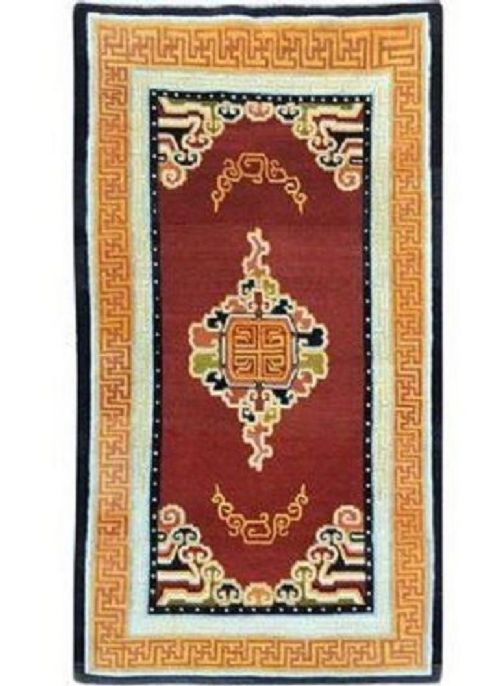
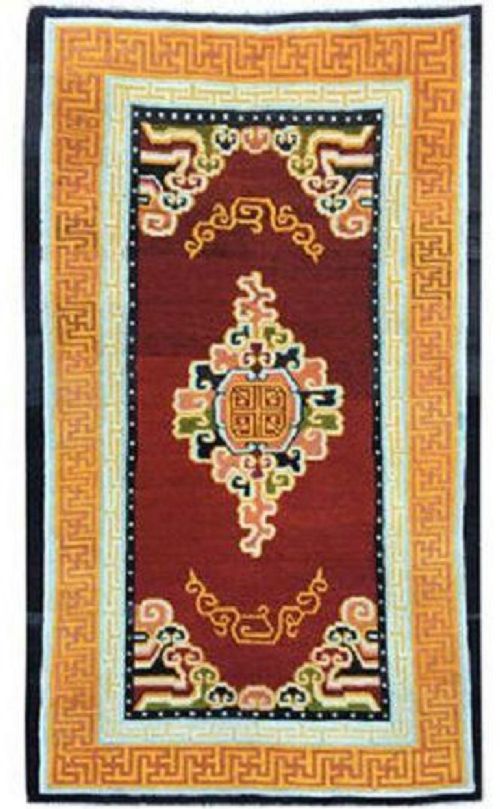
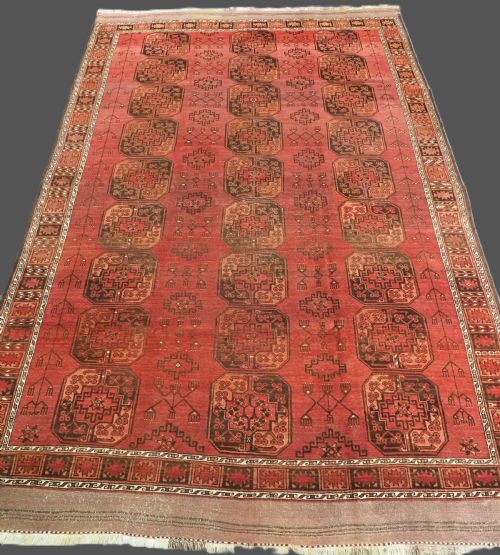
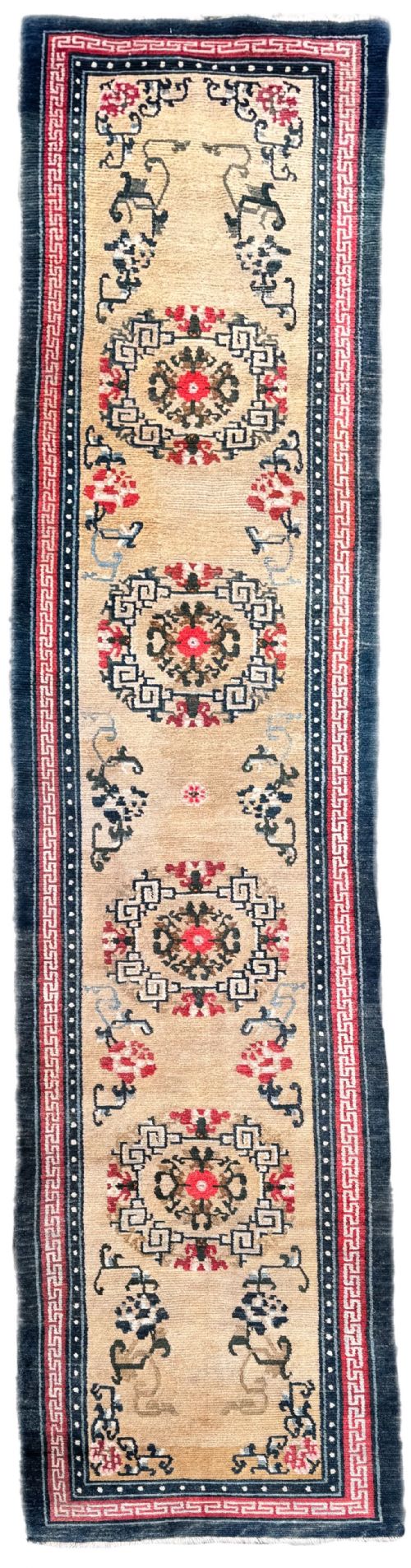
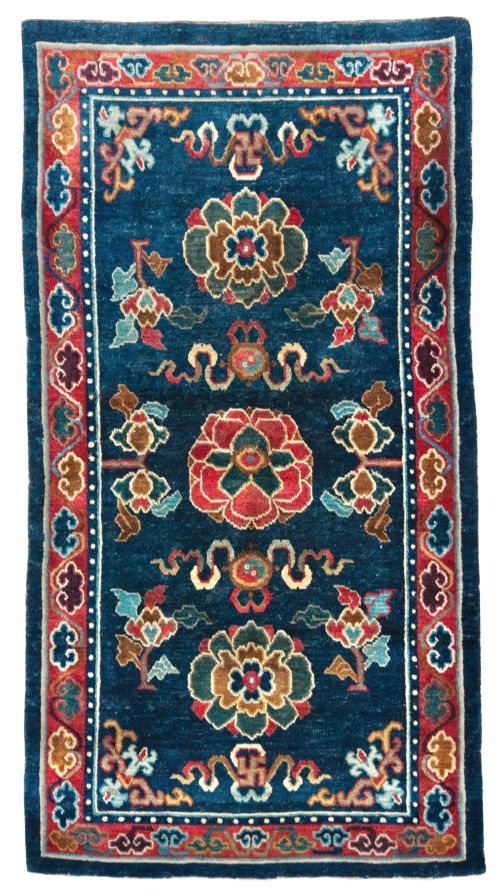
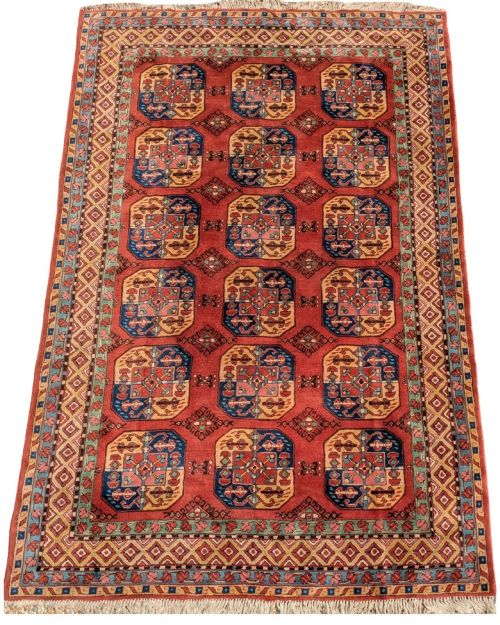
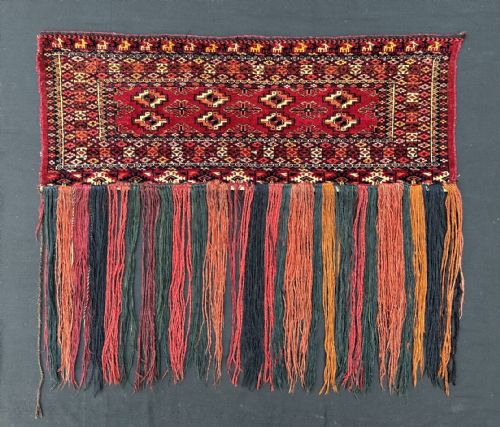
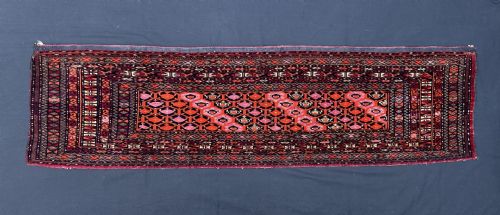
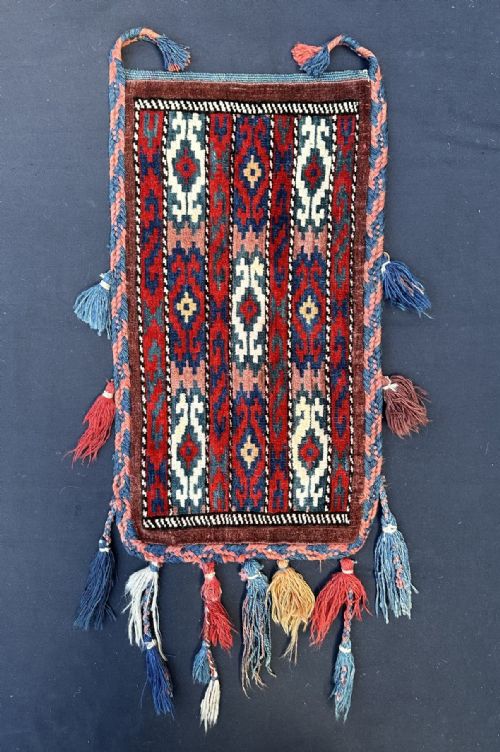
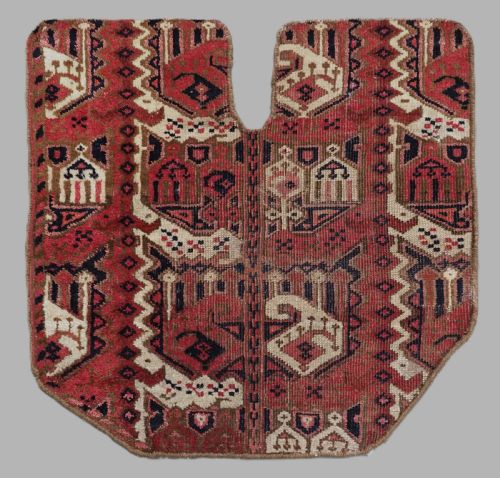
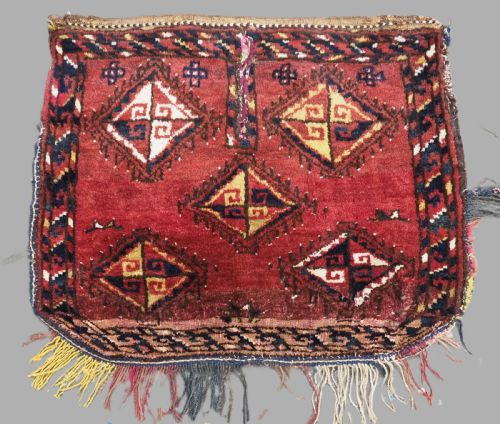
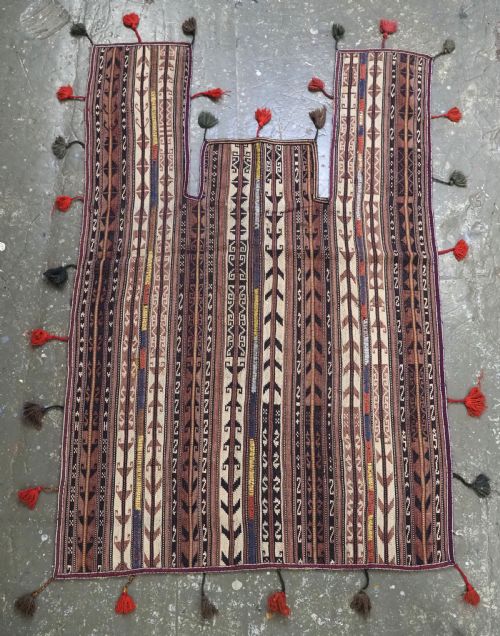
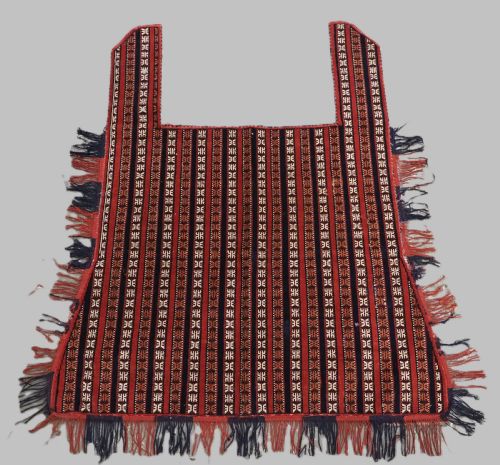
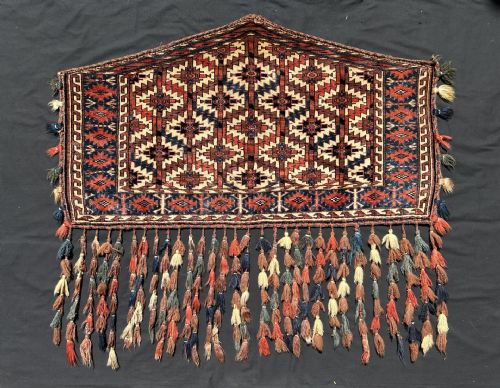
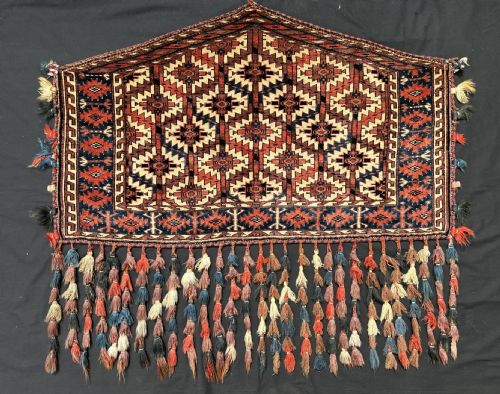
The pieces grouped under the term antique central asian weave encompass a rich variety of tribal textiles, ranging from large main carpets to smaller utilitarian items such as torbas, chuvals, and saddle covers. Buyers frequently encounter specific tribal attributions in these pieces, including Tekke, Yomut, Ersari, Saryq, and Tibetan groups.
The functional nature of these items defines their form, with many surviving examples originally serving nomadic domestic or ceremonial purposes. Smaller household bags, tent door rugs, and horse blankets sit alongside runners and rugs produced from the mid nineteenth century into the early twentieth century.
Regional variations emerge clearly across the steppes, deserts, and mountain regions, showing distinctive structural designs particular to tribal workshops and oases. The evidence spans periods from the eighteen-fifties to the nineteen-thirties, reflecting diverse weaving traditions maintained across Central Asia and Tibet.
Materials and construction methods
Makers relied primarily on hand-spun wool and cotton foundations, utilising natural dyes to achieve deep palettes across the woven surface. Silk highlights occasionally appear on specific tribal bags and torbas, adding texture and contrast to the wool structure.
Weaving techniques reflect traditional nomadic life, combining dense pile construction with flatweave backs on utility bags and cushions. Artisans structured each piece for durability, employing sturdy knotting and strong selvages suited to daily use in tents and dwellings.
Listings feature wool, cotton, silk, and natural dyes applied across rugs, saddle covers, and tent bags dated from the eighteen-fifties onward.
Assessing quality in regional textiles
The fineness of the weave and the clarity of the tribal gull or motif largely distinguish exceptional examples from standard production. Tightly packed knots and precision in symmetrical design execution point to superior handiwork by the weaver.
The depth, saturation, and stability of natural dyes influence visual success, alongside the survival of original components such as tassels or plain weave backs. Pieces displaying crisp tribal iconography and well-preserved structural integrity command greater appreciation among collectors.
The Antique Central Asian Weave Glossary
- Gul
- A primary octagonal medallion or floral motif repeated across tribal carpets and bags. These distinct symbols often identify the specific tribe or clan responsible for the weaving.
- Torba
- A small, wide storage bag traditionally hung inside a nomad tent. These items feature ornamented faces and robust utility backs.
- Chuval
- A large tent bag used by pastoral nomads for household storage. They typically display multiple guls and dense wool pile.
- Asmalyk
- A large, pentagonal trapping produced by Yomut and other Turkmen tribes. Families used these decorative covers during traditional wedding processions.
- Khaden
- A small Tibetan sleeping rug or domestic mat. These rugs often employ simplified layouts suited to everyday domestic interiors.
- Kap
- A general term for a nomadic bag or pouch used for storage within a dwelling. Sizes and shapes vary according to their specific domestic function.
Antique Central Asian Weave: Frequently Asked Questions
How were these tribal bags used?
Nomadic families utilised items like torbas and chuvals inside their tents for storing household possessions, bedding, and provisions. Their flat backs and reinforced openings allowed them to hang securely against lattice walls.
Other textiles served as ceremonial horse blankets, saddle covers, or wedding trappings during communal celebrations and transit across the steppes.
How do I style these textiles at home?
Smaller pieces such as torba faces and saddle rugs work effectively as wall hangings or table mats, protecting delicate surfaces while displaying geometric tribal designs. Larger carpets anchor living spaces and hallways with rich, earthy tones.
Pairing these textiles with minimalist modern furniture allows the intricate wool patterns and natural dye variations to stand out clearly.
How can I identify tribal origins?
Specific motifs, such as the Tekke gul or Yomut kepse design, provide clear indicators of tribal attribution and regional weaving traditions. Structural characteristics like knot density and the presence of silk highlights further refine the origin.
Consulting historical design layouts helps distinguish pieces made by Ersari, Saryq, or Tibetan weavers during the nineteenth and early twentieth centuries.