




Ersari Carpet 1920
An ersari carpet 1920 brings deep red tones and tribal motifs into a room, offering durability and historical character.
Ersari Carpet 1920
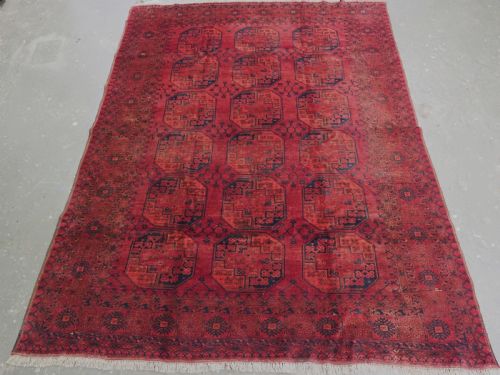
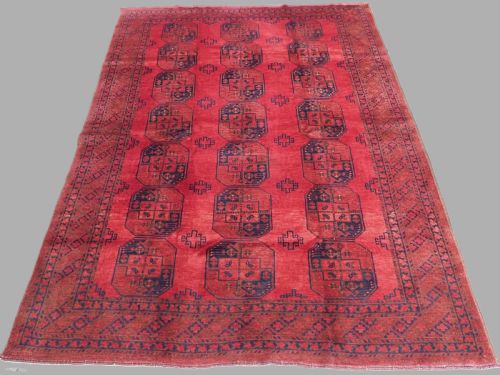
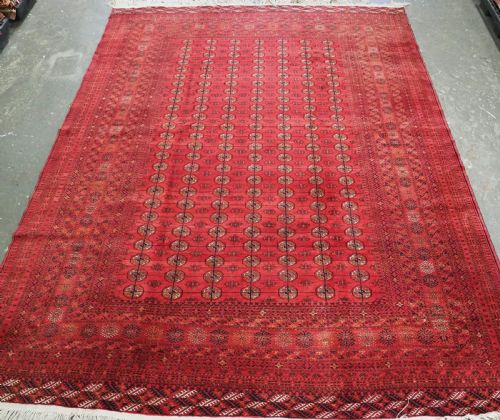
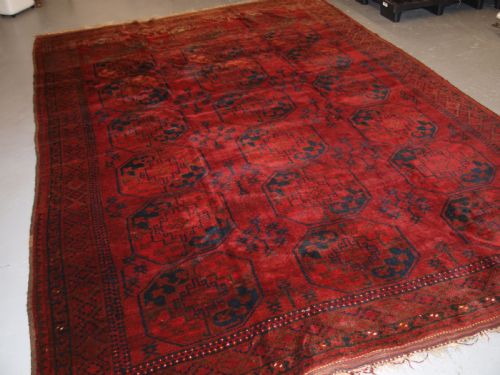
An ersari carpet 1920 represents tribal weaving from the Afghan region, created during the early twentieth century by traditional artisans. These pieces encompass large main carpets, village rugs, and specialised prayer formats like the mosque prayer rug.
The most common form met on this page is the Afghan village carpet or traditional Ersari carpet, usually dated around 1920. Collectors and homeowners seek these textiles for their rich palette and robust construction suited to everyday interior use.
The design vocabulary draws on Turkmen tribal traditions, frequently incorporating classic patterns and specific motifs such as the double lantern or chuval gul design. Each piece reflects the heritage of Ersari weavers working within established cultural idioms.
How They Were Made
The construction relies fundamentally on wool, often hand-spun to create a dense pile that withstands decades of floor traffic. This material yields the soft, glossy texture found in traditional village weaving.
Natural dyes impart the characteristic warm red colour, ranging from deep rich tones to mellow shades across the surface. These vegetable colorants age gracefully, developing subtle variations in depth over time.
All listed pieces date from 1920 and utilise wool and natural dyes in Afghan tribal and Turkmen styles.
What Varies in Quality
Quality rests upon the handled quality of the wool and the depth achieved by the natural dyes. Softer, glossier wool combined with a deep rich red colour indicates superior material selection by the weaver.
The precision and clarity of tribal designs, such as the chuval gul or double lantern motifs, distinguish finer examples. Structural integrity also matters, as heavy-duty weaving ensures the carpet remains hard-wearing through continuous domestic service.
The Ersari Carpet 1920 Glossary
- Ersari
- A major Turkmen tribal group known for producing distinctive carpets and rugs with rich red colouration. Their weaving traditions emphasise classic geometric layouts and traditional village designs.
- Gul
- A primary medallion motif used repeatedly in Turkmen and Ersari carpet design. These octagonal or gabled forms identify the tribal origin of the weaving.
- Chuval
- A large storage bag face or design derived from nomadic tent furnishings. When translated into carpet format, the chuval gul becomes a central decorative element.
- Prayer Rug
- A smaller format rug featuring a mihrab or architectural arch, historically used for personal devotion. Mosque prayer rugs often incorporate specific hanging lamps or double lantern details.
- Natural Dyes
- Colorants derived from plants, roots, and minerals rather than synthetic chemicals. These dyes produce the warm, mellow shades characteristic of older village textiles.
Ersari Carpet 1920: Frequently Asked Questions
What is an ersari carpet 1920?
An ersari carpet 1920 is a tribal textile woven in the Afghan region during the early twentieth century. These pieces reflect traditional Turkmen designs and utilise natural dyes.
They serve as durable floor coverings prized for their deep red colouration and historical tribal motifs.
How do I identify an Ersari design?
Ersari designs typically feature warm red tones and geometric motifs such as the chuval gul. The layouts follow traditional Afghan tribal patterns rather than urban workshop styles.
Look for classic village weaving characteristics and rich vegetable dye palettes that distinguish these carpets from later commercial reproductions.
Were these carpets used on floors?
These textiles were constructed as heavy-duty and hard-wearing floor coverings for domestic use in village and nomadic settings. The dense wool pile handles regular foot traffic effectively.
Owners today continue to place them in living spaces, studies, and hallways where their robust nature is an advantage.
What makes wool quality different?
The wool used in these carpets varies from standard fleece to soft, hand-spun material with a natural glossy finish. Hand-spinning retains natural lanolin, which contributes to the suppleness of the pile.
Better wool accepts natural dyes more evenly, resulting in the deep rich red colours valued in antique village carpets.