


Equine Framed Wall Decor
These equine framed wall decor pieces bring centuries of sporting history and animal portraits into a room.
Equine Framed Wall Decor
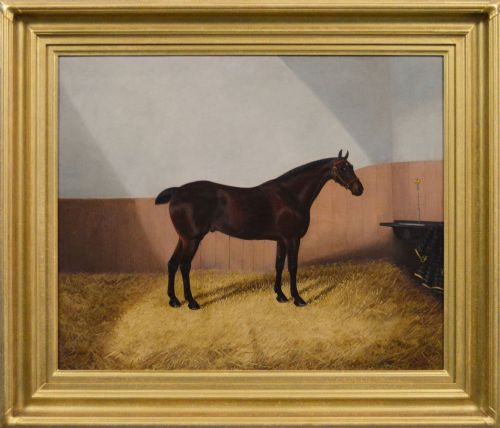
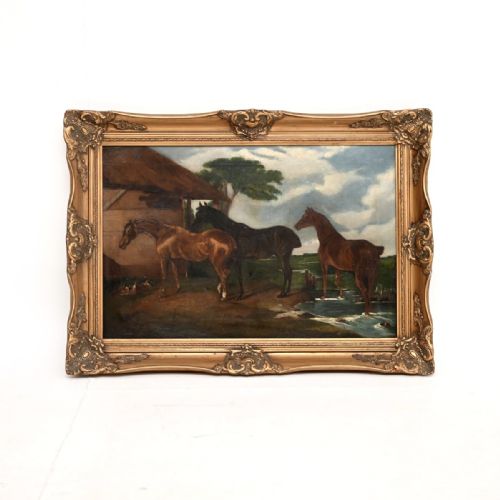
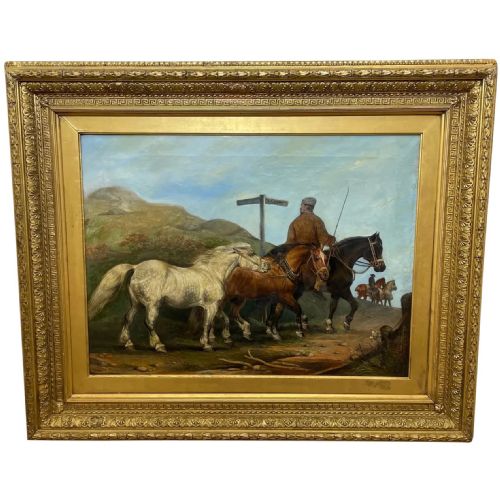
When you search for equine framed wall decor, you encounter framed paintings and pastels depicting horses across various historical periods. These works range from early depictions on pine panels to Victorian racing portraits and mid-century sporting art.
The selections available here lean heavily towards oil paintings on canvas and panel, alongside pastel works on paper. You find framed horse portraits in stables, racing scenes, and landscape hunting compositions dating from the eighteenth century through to the mid-twentieth century.
Subjects include named horses with specific histories, such as Victorian racing portraits and studies of bay horses, set within original or period frames. These pieces offer a direct window into historical equestrian culture and traditional animal portraiture.
How they were made
The physical construction of these works relies on traditional painting media applied to rigid supports or stretched fabric. Artists utilised oil paint on canvas, wood panels, and pine panels, as well as pastel on paper, securing the imagery within timber framing.
Gilt wood and gold leaf frequently appear in the framing materials, surrounding the canvas or paper underneath glass where pastels require protection. These traditional methods ensure the longevity of the pigments and the stability of the support structure over centuries.
Several Victorian horses captured on canvas appear entirely unimpressed by their Governor's Cup victories.
What varies in quality
The distinction between standard decorative pieces and finer works rests upon the fidelity of the animal's anatomy and the skill of the brushwork. Master painters capture the musculature, light reflection on the coat, and individual expression of the horse with greater anatomical precision.
Framing and provenance also separate the tiers, as original gilt wood frames and documented histories involving known painters or specific historical races elevate the standing of a piece. The depth of the landscape and the integration of the animal within its environment reveal the competence of the artist.
Albert Clark·W Williams·Benjamin Cam Norton·George Goodwin Kilburne·Edward Lloyd
The Equine Framed Wall Decor Glossary
- Oil on Canvas
- A traditional painting medium where oil paints are applied to a woven fabric stretched across a wooden frame. This combination allows for rich blending of tones and durable preservation.
- Pastel on Paper
- A dry medium consisting of powdered pigment applied directly to a paper support. These works require glass protection to prevent the pigment from smudging.
- Pine Panel
- A solid wood board used as a rigid painting surface before canvas became dominant. Works on panel often survive from earlier periods.
- Gilt Wood
- Carved timber finished with a thin layer of gold leaf or metallic gilt. It provides traditional ornamental framing for fine art.
- Sporting Art
- A genre of art dedicated to depicting bloodsports, racing, and animals in sporting contexts. It forms a core category within historical equine painting.
Equine Framed Wall Decor: Frequently Asked Questions
How do I hang heavy framed oil paintings safely?
These pieces require secure wall fixings suited to the weight of the timber frame and canvas support. Utilising picture rail hooks or direct wall anchors into studs ensures stable placement.
Position the centre of the artwork at eye level to replicate gallery standards and prevent strain on the hanging wire or brackets.
What lighting suits historical horse paintings?
Warm, indirect lighting highlights the oil pigments and gilt wood frames without causing heat damage or fading. Avoid direct, intense sunlight that degrades canvas and pastel paper over time.
Picture lights mounted above the frame provide controlled illumination that accentuates the details of the brushwork.
How do I date an antique horse painting?
Examinations of the stretcher bars, canvas weave, and pine panel construction offer initial clues regarding the age of the artwork. Stylistic elements in the tack, rider clothing, and frame design further narrow down the period.
Signatures, inscriptions on the reverse, and historical records of named horses provide definitive chronological context.