
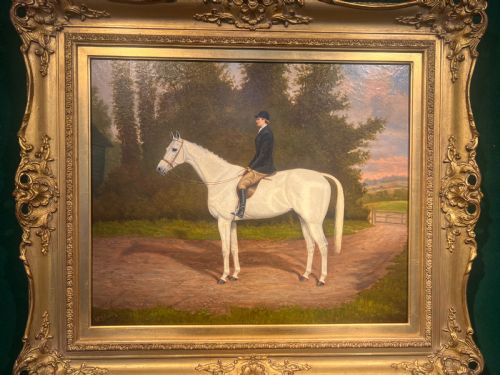
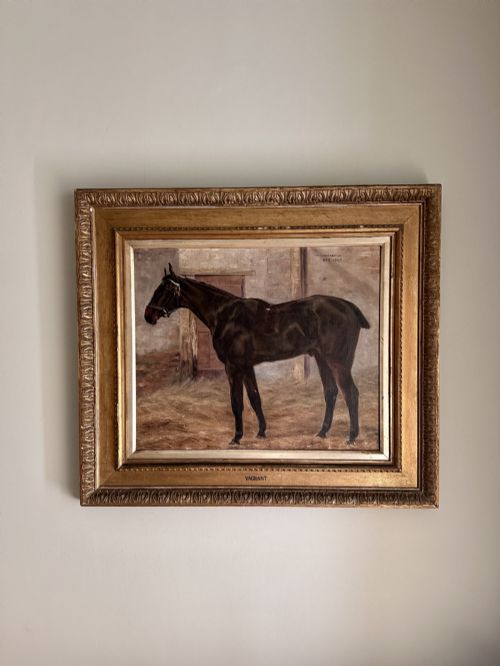
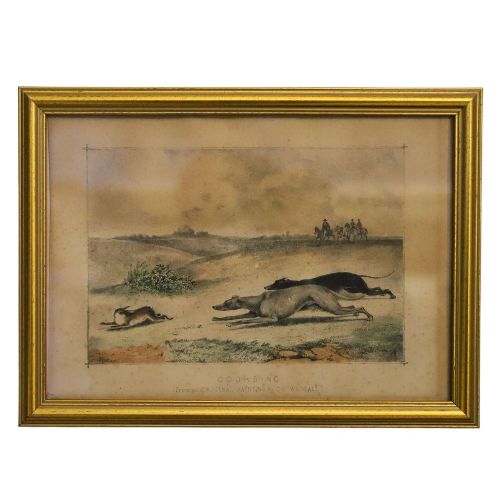
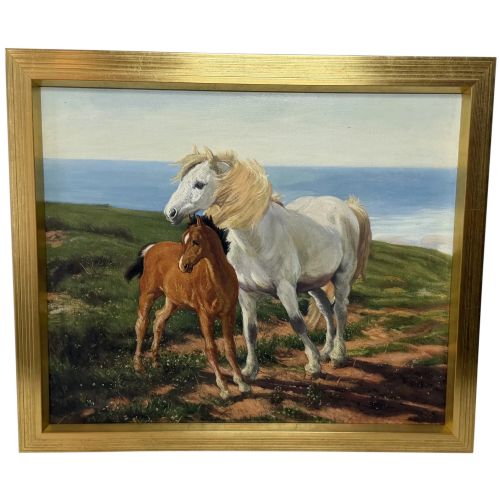

Equestrian Art Picture Frame
These pieces gather sporting tradition and animal study into a single frame, offering a direct view into the history of the turf, the hunt, and the countryside.
Equestrian Art Picture Frame
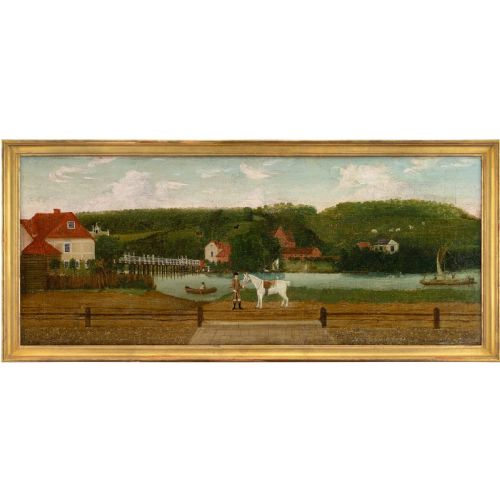
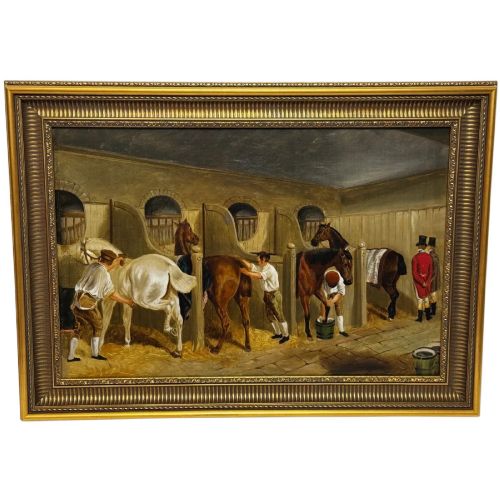
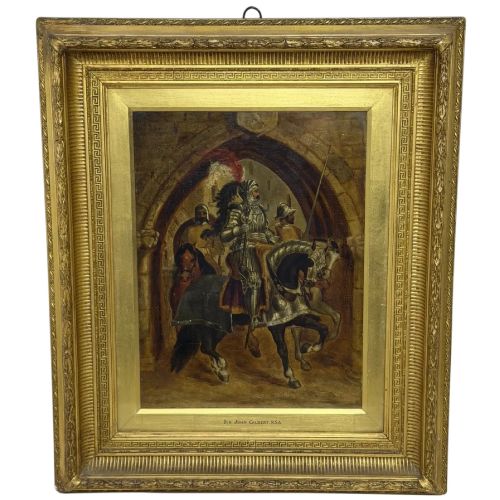
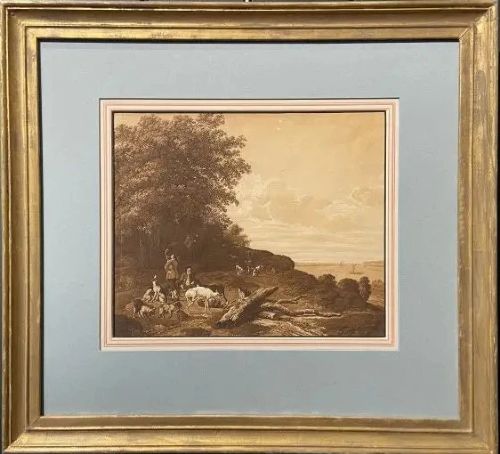
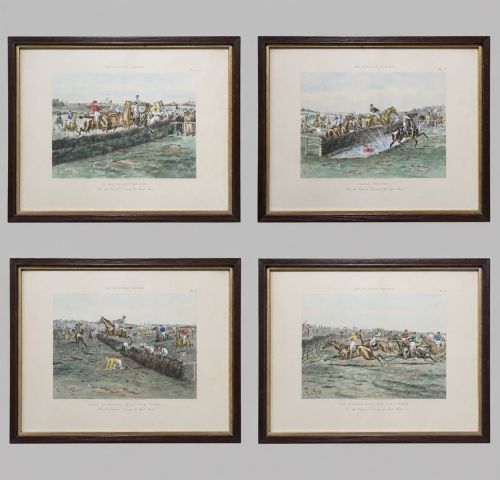
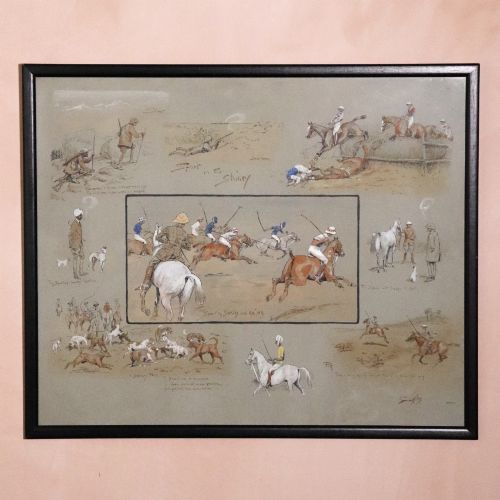
An equestrian art picture frame encloses works dedicated to horses, racing, hunting, and rural scenes, capturing centuries of sporting life. When browsing this selection, collectors regularly encounter framed prints, lithographs, and engravings alongside original oil paintings and watercolours.
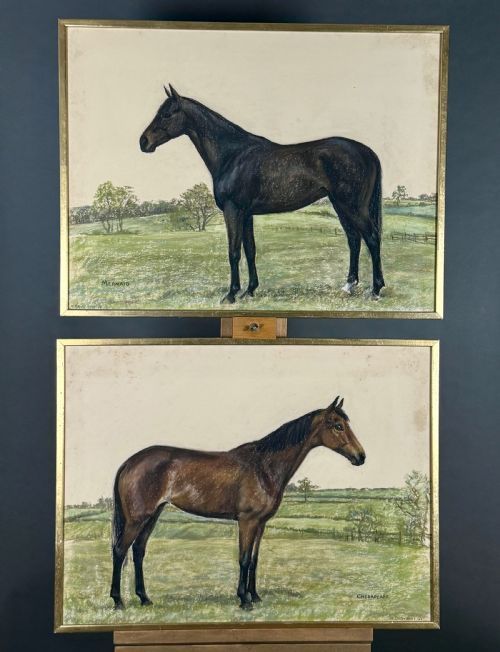
The objects span multiple periods, with Victorian and nineteenth-century examples appearing frequently alongside mid-twentieth-century works. These pieces range from intimate pastel studies and chalk drawings to large oil paintings on canvas and pine panels.
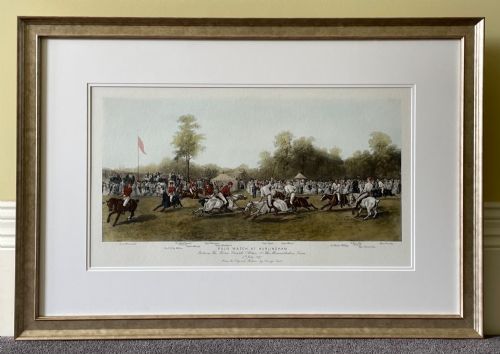
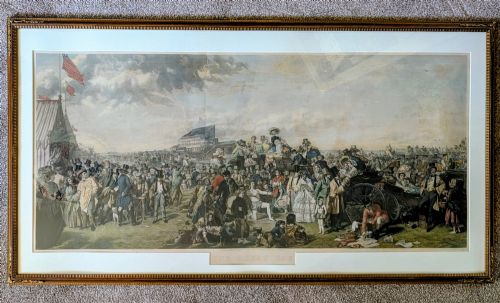
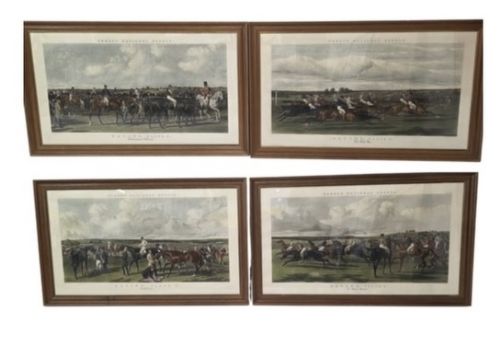
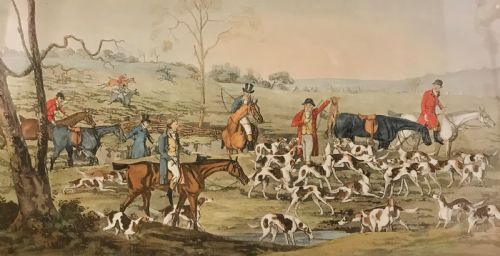
Framed works often highlight specific British traditions such as fox hunting, polo matches, and horse racing tracks like Epsom. The enclosing frames themselves vary from simple wood mouldings to swept giltwood designs.
Materials and technique
Makers utilised traditional supports including canvas, paper, card, and pine panels for the primary artworks. Pigments applied include oil, watercolour, gouache, pastel, and chalk, alongside printed techniques like lithography and engraving.
Framing materials rely heavily on wood, glass, and gilt or painted finishes. Giltwood and walnut frames provide structural support and aesthetic weight, protecting the delicate paper or canvas surfaces within.
Several pieces capture horses engaging in human-adjacent pastimes, reminding us that nineteenth-century riders took their billiards very seriously indeed.
What determines quality
Quality rests upon the skill of the draughtsman or painter in capturing the precise anatomy, movement, and spirit of the horse. Works displaying confident brushwork or delicate pastel handling stand apart from standard decorative reproductions.
The integrity and period appropriateness of the frame influence the overall piece. Hand-carved giltwood surrounds or period walnut mouldings that complement the age of the artwork elevate the standing of the entire object.
William Powell Frith·George Finch Mason·Fred Fitzpatrick·C. H. Weigall·Snaffles·Edwin Henry Landseer·John Frederick Herring Snr·Herman S Melville·John Ferneley Senior·Alfred Munnings·John Rattenbury Skeaping·Cecil Charles Windsor Aldin·Charles Walter Simpson·John Arthur Lomax·John Frederick Herring Jnr·Basil Nightingale·William Williams·Abraham Cooper
The Equestrian Art Picture Frame Glossary
- Lithography
- A planographic printing method using a stone or metal plate to produce multiple impressions on paper. This technique allowed nineteenth-century sporting scenes to be widely published and framed.
- Giltwood
- Timber carved and coated with a thin layer of gold leaf or gilt powder. It is frequently found on nineteenth-century frames designed to add presence to oil paintings.
- Pastel
- A dry medium composed of powdered pigment and a binder, shaped into sticks. Artists applied it to paper to achieve soft, textured equine portraits.
- Aquatint
- A variant of etching that produces tonal areas resembling watercolour washes. It was a favoured method for reproducing horse racing and hunting prints during the nineteenth century.
- Eglomise
- A decorative technique where a design is painted and gilded on the reverse side of glass. This process creates a reflective, finished border often seen on vintage frames.
Equestrian Art Picture Frame: Frequently Asked Questions
What periods do these pieces date from?
The selection includes works from the eighteenth, nineteenth, and twentieth centuries. Victorian and mid-century examples appear regularly among the listed items.
Earlier pieces often feature oil on canvas or panel, while later decades frequently showcase prints, lithographs, and pastel drawings.
How do I identify a print from an original painting?
Original paintings show visible brush texture, pigment buildup, and the hand of the artist upon canvas or paper. Prints and lithographs present a uniform surface under magnification, often revealing dot patterns or plate marks.
Examining the edge of the work beneath the glass usually clarifies the medium used.
How should I hang and care for framed equestrian art?
Keep framed pieces away from direct sunlight and damp environments to protect paper, canvas, and giltwood from fading or moisture damage. Wall placement should avoid sudden temperature shifts caused by radiators.
Dust wooden and gilt frames gently with a dry, soft cloth without applying liquid cleaners.
Are the frames original to the artwork?
Many pieces retain their period frames, such as nineteenth-century swept giltwood or Edwardian walnut surrounds. Other works have been reframed later to suit contemporary interior tastes.
Checking the backboards, fixings, and wear patterns on the wood helps determine the age relationship between the frame and the art.