



Epstein Art Deco Sideboard
An Epstein art deco sideboard brings monumental presence to a room through dramatic wood grain and sculptural curves.
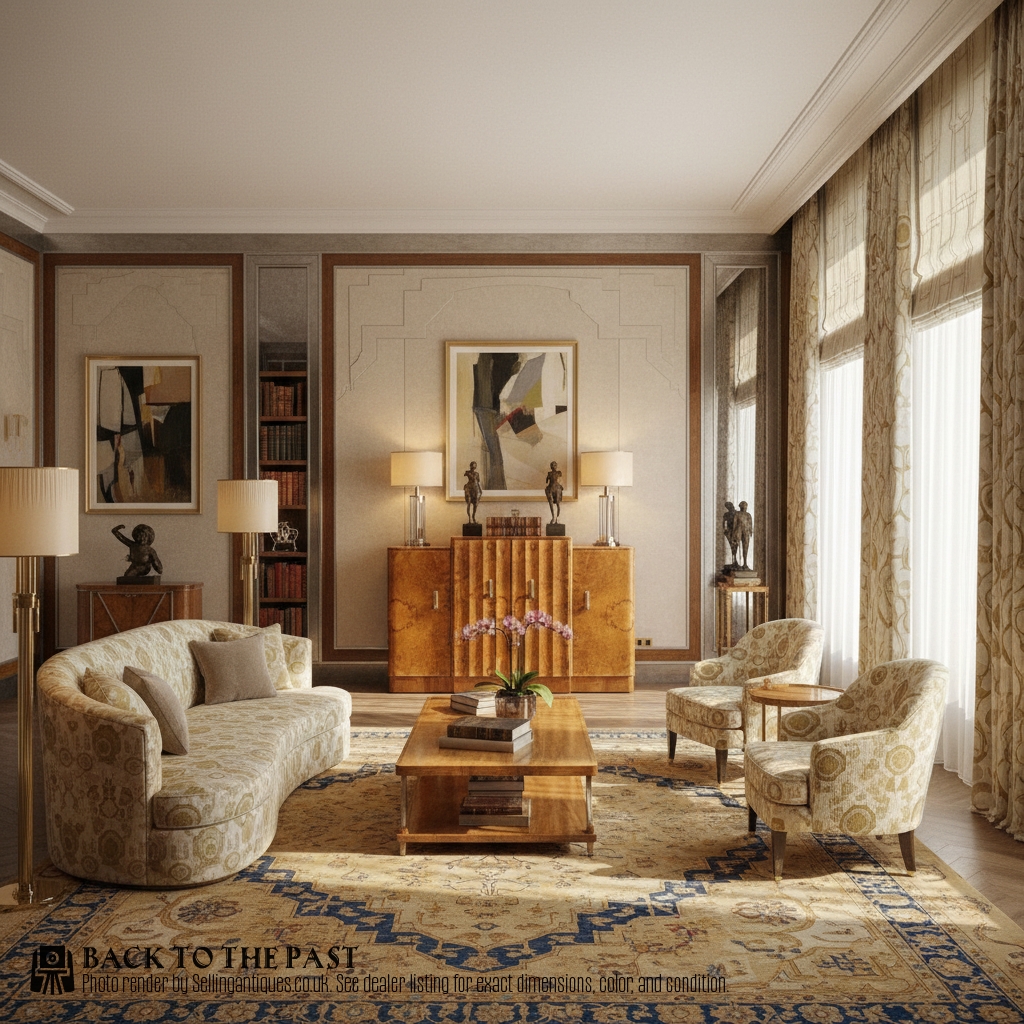
Epstein Art Deco Sideboard
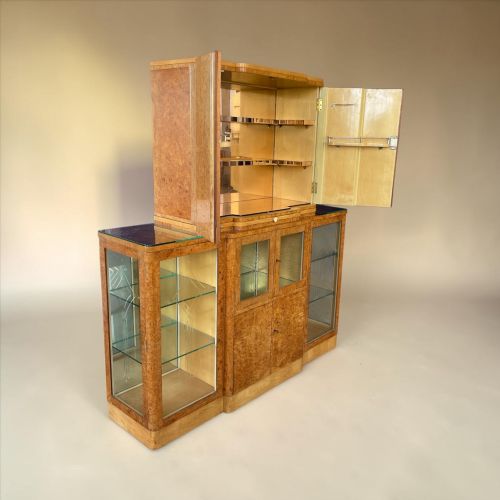
An Epstein art deco sideboard represents the pinnacle of 1930s British cabinet making, combining generous proportions with bold, streamlined styling. These pieces frequently double as cocktail cabinets, drinks cabinets, or serving tables complete with cellarets and fitted interior compartments.
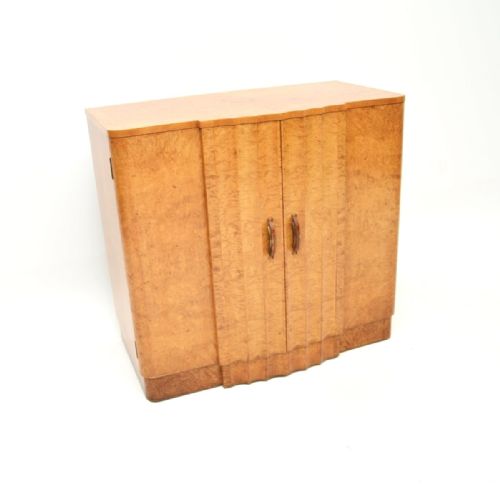
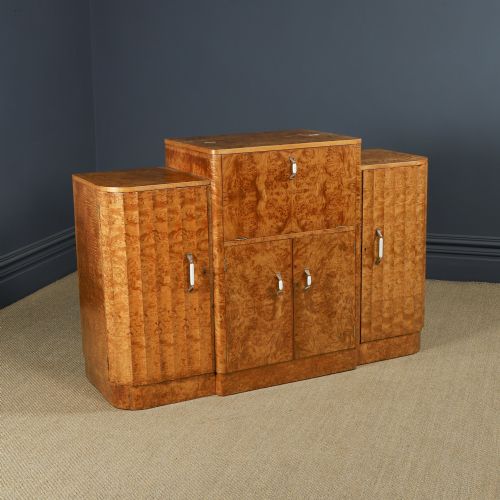
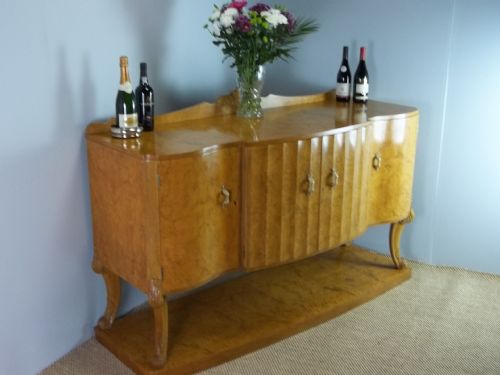
Burr walnut and walnut veneer dominate the forms, yielding rich, swirling patterns across curved facades. Sideboards range from cloud-shaped and U-shaped consoles to monumental skyscraper designs that command attention in any interior.
Makers such as Harry and Lou Epstein established a distinct aesthetic during this period, setting their work apart through substantial scale and exceptional timber selection. Buyers looking for an Epstein art deco sideboard seek both practical storage and a striking sculptural centrepiece.
How they were made
Master craftsmen applied highly figured burr walnut and walnut veneer over robust timber carcases, carefully matching the grain across multiple drawers and cabinet doors to create symmetrical patterns. Secondary woods and solid sections provided structural integrity for heavy sideboards and drinks cabinets.
Metal fittings such as brass handles and hardware complemented the polished wood surfaces, while specialised electrical components were integrated into cocktail cabinets to illuminate mirrored interiors. Glass shelves and sliding panels added functional elegance to the drinks storage sections.
Epstein Art Deco Sideboard Retail Price Guide 2026
Typical asking prices for epstein art deco sideboard among the pieces listed under this phrase on Sellingantiques today, from the lower quarter to the upper quarter. They describe what is for sale here now, not the wider market.
Some cocktail cabinets wired up electricity in 1930 to light mirrors, proving our obsession with glowing drinks cupboards started long ago.
What varies in quality
The choice and visual impact of the timber veneer dictate the standing of a piece, with dense, highly figured burr walnut commanding the greatest appreciation. Craftsmanship is evident in the seamless wrapping of grain around curved surfaces like cloud or skyscraper profiles.
Complexity of function also distinguishes the range, particularly where internal cocktail fittings, integrated lighting, or specialised cellarets remain intact and operational. The harmony of proportions across substantial sideboards and matching dining furniture reflects the highest tier of production.
Harry and Lou Epstein
The Epstein Art Deco Sideboard Glossary
- Burr walnut
- A prized timber growth featuring intricate, swirling grain patterns that create dramatic decorative surfaces on cabinet doors and tabletops. Cabinet makers select these irregular growths specifically for their visual depth.
- Veneer
- A thin layer of superior wood applied over a stable secondary timber base to achieve striking decorative effects without structural instability. This technique allowed makers to display dramatic grain patterns across large flat and curved panels.
- Cocktail cabinet
- A specialised storage unit equipped for mixing and serving drinks, often featuring mirrored interiors, pull-out slides, and illuminated compartments. These vessels formed an essential part of sophisticated 1930s entertaining.
- Cellaret
- A compartmentalized storage space within a sideboard or cabinet designed to hold bottles securely in an upright or resting position. Such fittings highlight the dedicated dining purpose of these grand pieces.
- Skyscraper
- An architectural style descriptor applied to tall, stepped cabinet designs that echo the vertical setbacks of modern urban architecture. This form emphasises height and geometric progression.
Epstein Art Deco Sideboard: Frequently Asked Questions
What makes an Epstein sideboard distinct?
Epstein pieces stand out through their substantial scale, bold 1930s modernist geometry, and the lavish use of figured burr walnut veneers. The brothers combined architectural silhouettes with exceptional cabinet-making traditions.
Their sideboards frequently incorporate dramatic curved fronts, such as cloud or U-shapes, which demand advanced timber-working skills. This combination of heavy proportions and fluid lines creates a commanding visual presence.
How were cocktail cabinets used?
Cocktail cabinets served as dedicated social stations in 1930s homes, designed to store spirits, glassware, and mixing equipment behind handsome lockable doors. Pull-out mirrored shelves provided a clean surface for preparing drinks.
Interior lighting and specialised bottle racks turned the opening of the cabinet into a theatrical moment for guests. These fitted compartments reflect the era's enthusiasm for home-based entertaining.
Where does burr walnut come from?
Burr walnut originates from a growth deformity on the walnut tree, where hundreds of tiny branch buds cluster together. When sliced, this knotty wood yields intricate, swirling patterns that cannot be replicated in straight-grained timber.
Cabinet makers prize this material for decorative facades because no two panels share the same grain configuration. Its use on sideboard doors creates striking natural symmetry.
How do I style a sideboard at home?
A large art deco sideboard functions well as a grounding element in a dining room or living space, offering a surface for lamps, ceramics, or serving trays. Its bold wood grain pairs effectively with minimalist modern decor or classic period interiors.
Allowing sufficient surrounding floor space lets the sculptural curves and rich walnut tones take centre stage. Interior storage handles everyday tableware or collection displays with ease.