


Engraved Wall Art
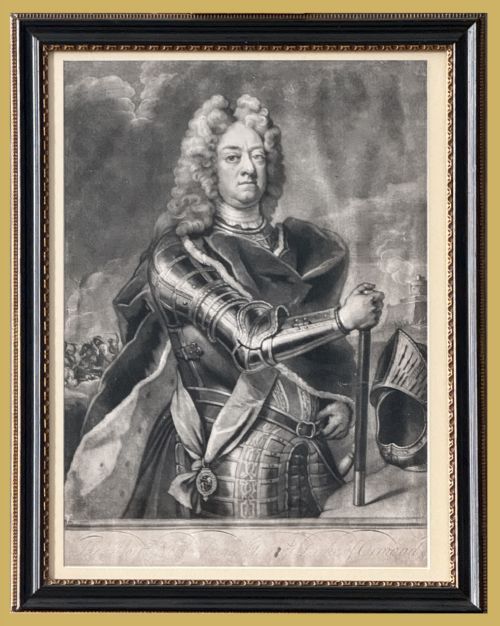
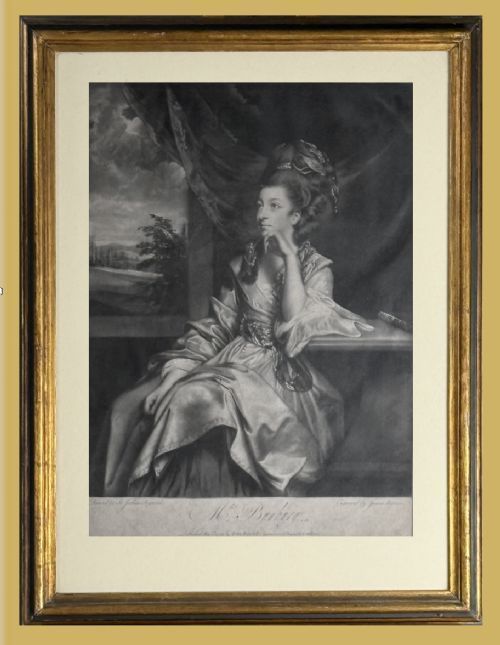
When you search for engraved wall art, you encounter centuries of historic portraiture, natural history plates and cartography framed for display.
Engraved Wall Art
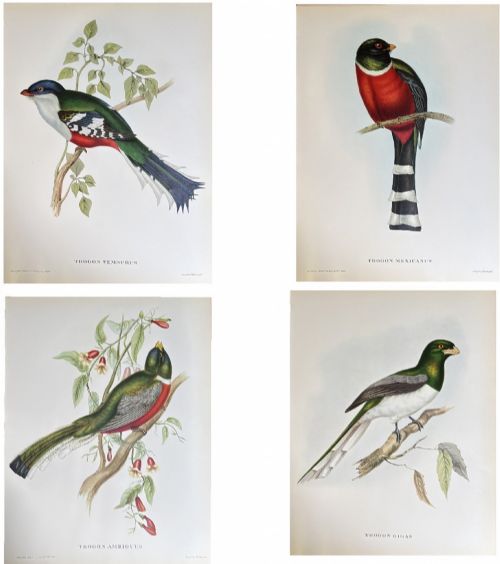
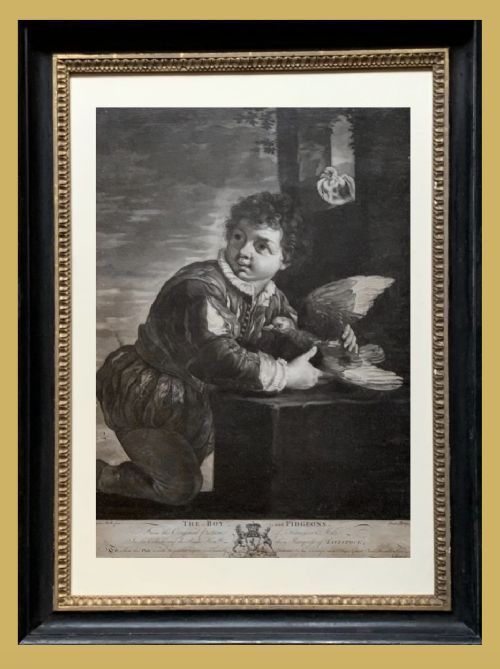
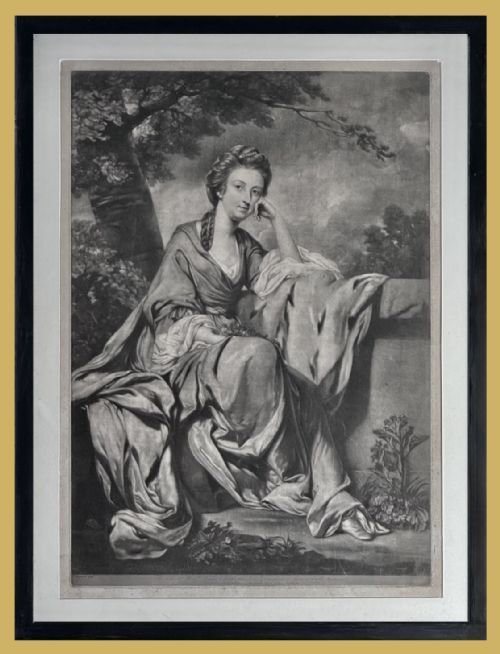
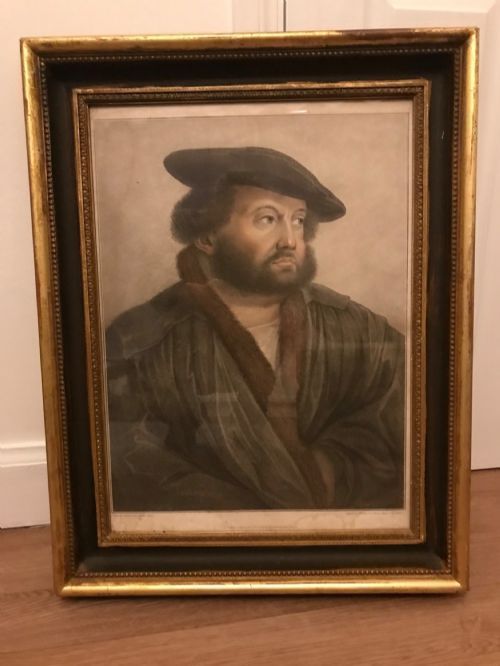
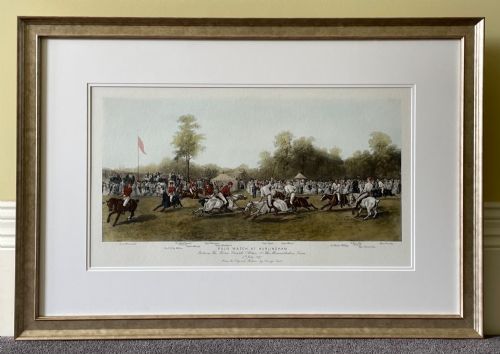
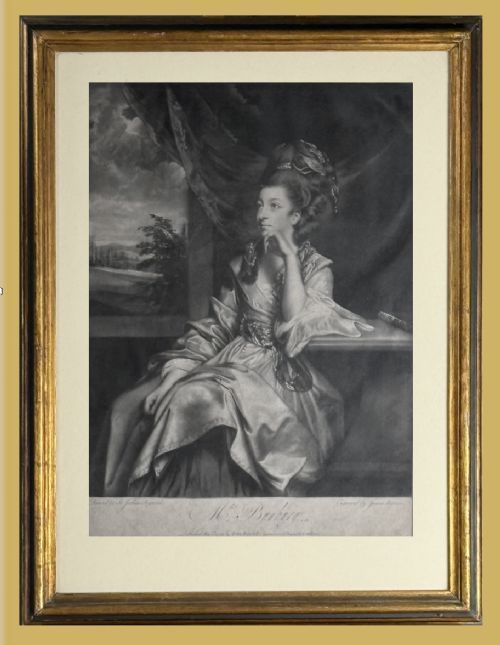
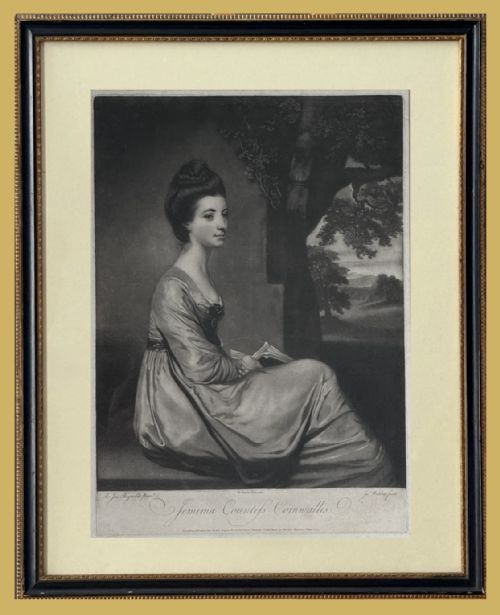
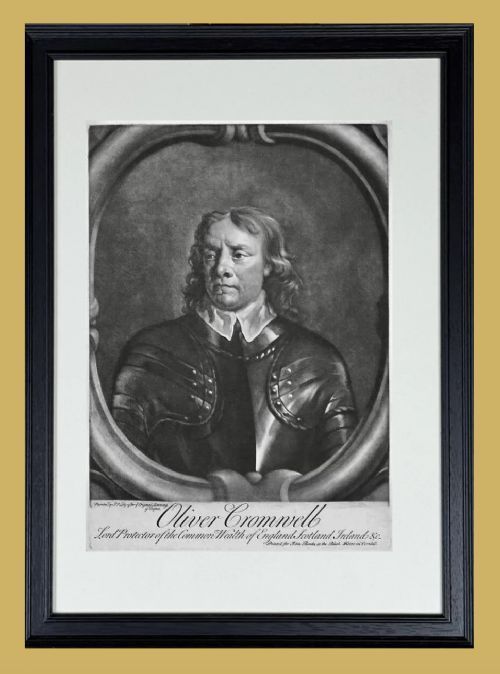
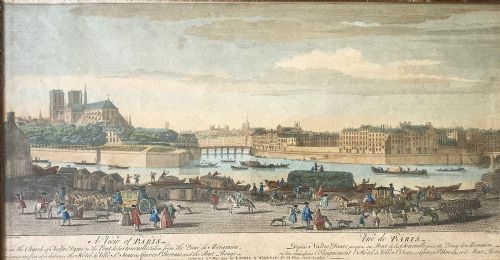
Engraved wall art encompasses framed prints, mezzotints, stipple engravings, lithographs and drypoints spanning the seventeenth, eighteenth and nineteenth centuries. These works record historic figures, architectural orders, anatomical studies, maps and avian illustrations produced by printmakers and publishers across Britain and continental Europe.
Materials and Methods
The works rely upon paper supports bearing inked impressions transferred from metal plates using intaglio techniques, including engraving, mezzotint and stipple. Many examples incorporate original hand colouring applied directly to the printed surface.
Surviving mounts utilise oak, gilt wood and glass to protect the delicate paper beneath. Period frames frequently accompany the eighteenth and seventeenth century plates.
Pigeons, tropical birds, weeping angels and anatomical skeletons share wall space here.
Assessing Quality and Condition
Quality rests upon the crispness of the plate impression and the depth of the ink on the paper. Early impressions preserve fine tonal gradations in portraiture and delicate lines in architectural plates, whereas worn plates yield muddied details.
The presence of original hand colouring and a period frame enhances the historical integrity of the piece. Clean paper free from heavy fading or foxing distinguishes superior examples.
John Simon·John Boydell·James Watson·Edward Fisher·Francesco Bartolozzi·John Smith·Valentine Green·James Macardell
The Engraved Wall Art Glossary
- Mezzotint
- A printmaking process where the copper plate is roughened to produce dark backgrounds and subtle tonal variations. This technique creates velvety portraits with rich shadows.
- Stipple engraving
- A method of dotting the printing plate to build up images with soft tonal shadows rather than continuous lines. It gained popularity for reproducing chalk drawings.
- Drypoint
- A printmaking technique where an image is scratched directly into a metal plate with a sharp needle, raising a burr that holds ink. This produces soft, velvety lines unique to the process.
- Lithograph
- A planographic printing process based on the chemical repulsion of oil and water on a flat limestone or metal plate. It allows for fluid, painterly marks.
- Cartography
- The science and art of making maps, represented here by antique engraved county maps framed for display. These pieces often feature decorative cartouches and period hand colouring.
Engraved Wall Art: Frequently Asked Questions
What is a mezzotint?
A mezzotint is an intaglio printmaking process where the copper plate is systematically roughened to hold ink uniformly, creating rich dark tones. The artist scrapes away areas to produce highlights and detailed portraits.
This technique produces velvety shadows and smooth tonal gradients prized by portrait collectors.
How do I date an engraving?
Dating relies upon stylistic clues within the subject matter, the paper type, watermarks and inscriptions naming the sitter, artist and publisher. Period frames also offer clues to the age of the piece.
Most historic plates bear publication dates or reflect the active years of the printmaker and painter.
Are these prints hand coloured?
Many botanical, ornithological and cartographic plates feature original hand colouring applied with watercolours after printing. This adds vibrant hues to the black and white ink lines.
Close inspection reveals brushwork on the paper surface distinguishing period pigment from modern digital colorisation.
How should I hang antique prints?
Antique engravings require placement away from direct sunlight to prevent the ink and paper from fading. Stable indoor humidity protects both the paper and the historic wooden frames.
Conservation mounting using acid free materials preserves the integrity of the antique sheet over time.