

Engraved Sterling Silver Tableware
Engraved sterling silver tableware comprises historic dining and serving pieces worked with hand-chased ornamentation, prized for their traditional craftsmanship and utility at the formal table.
Engraved Sterling Silver Tableware
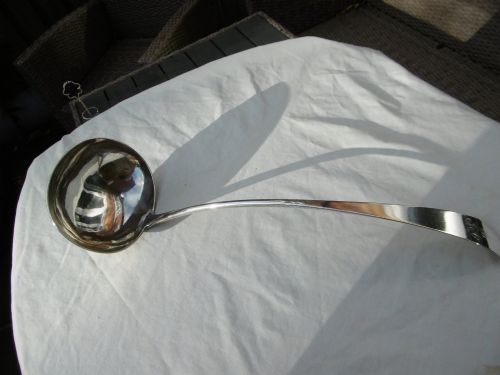
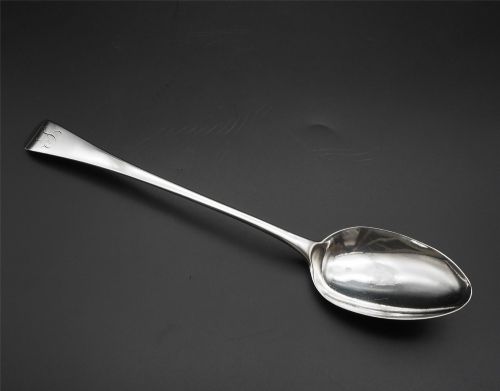
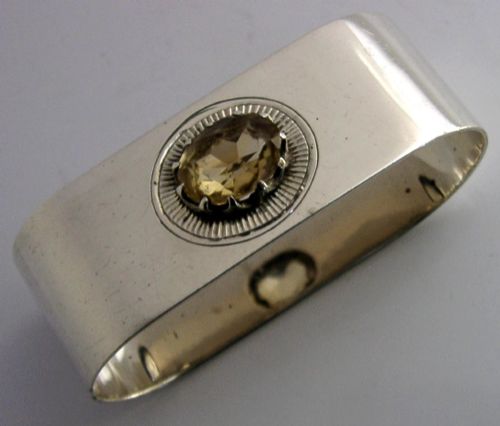
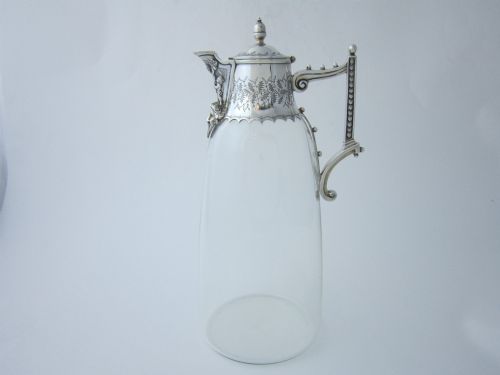
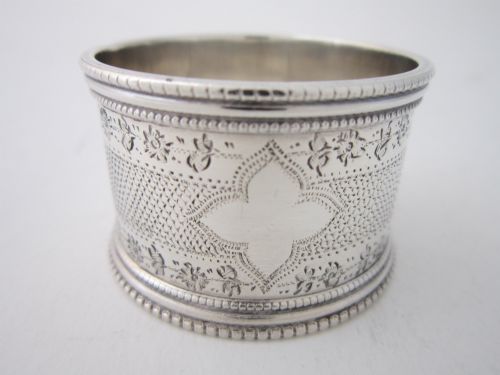
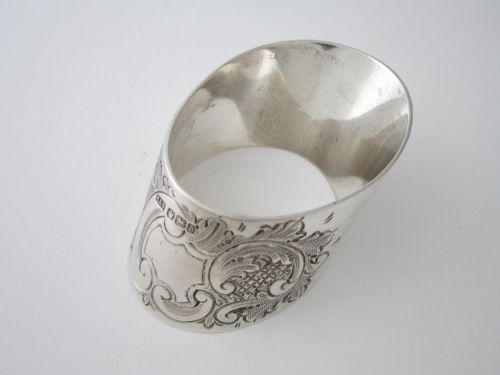
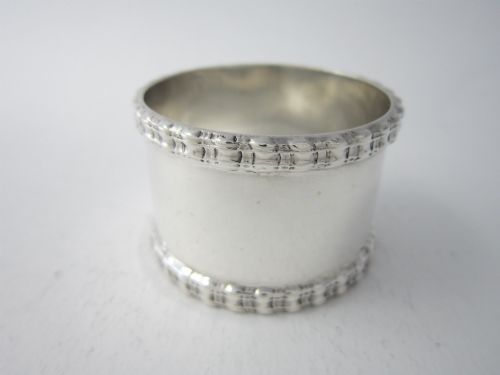
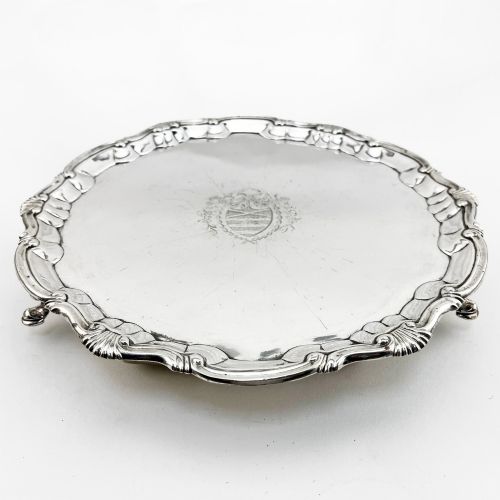
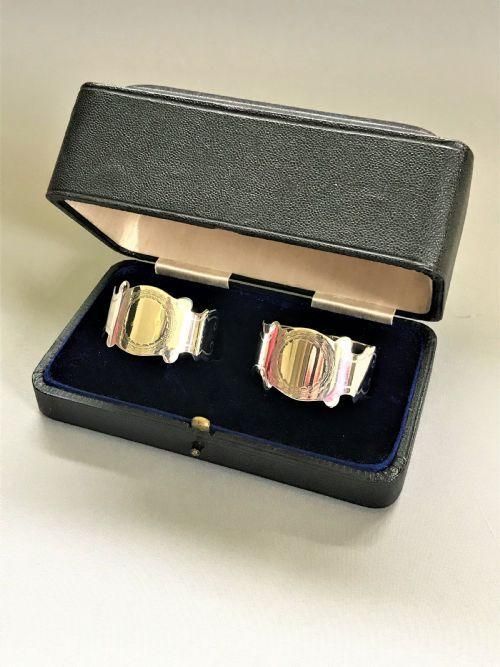
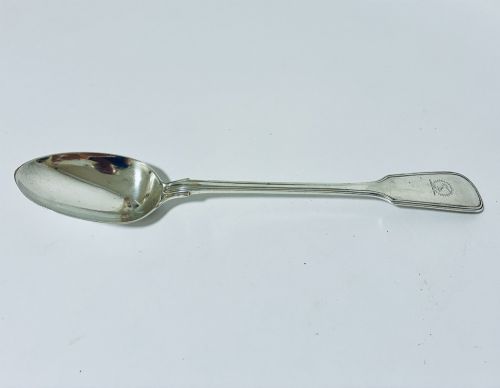
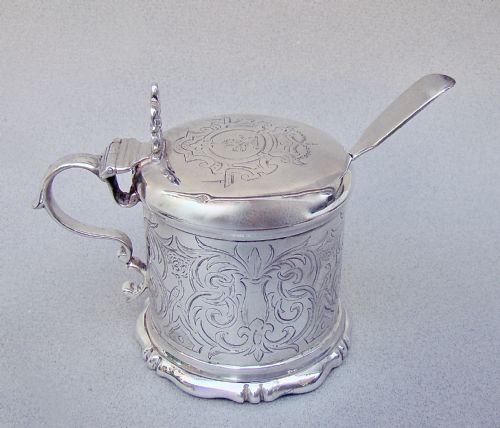
Engraved sterling silver tableware spans functional dining vessels and serving implements produced across the Georgian, Victorian, and Edwardian eras. Buyers encounter items ranging from basting spoons and cream jugs to mustard pots, sugar baskets, and napkin rings.
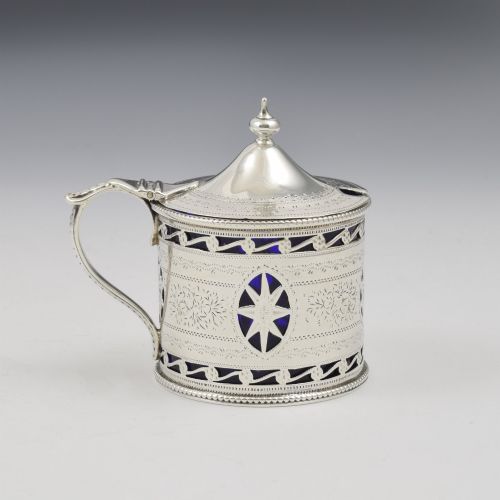
The selection reflects diverse historical periods, including George III, George V, and mid-century British designs. Pieces frequently incorporate decorative techniques such as piercing, gilding, and intricate surface engraving.
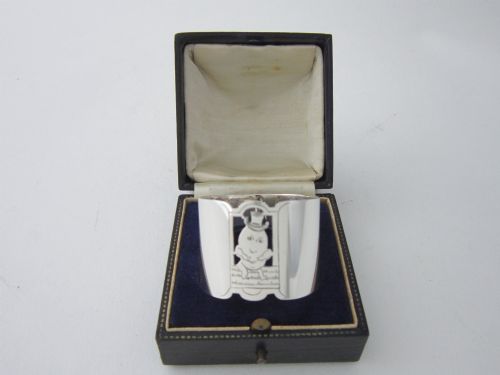
Objects originate from various silversmithing traditions, often housing glass liners or arriving in fitted presentation cases lined with silk, velvet, or leatherette.
Materials and Techniques
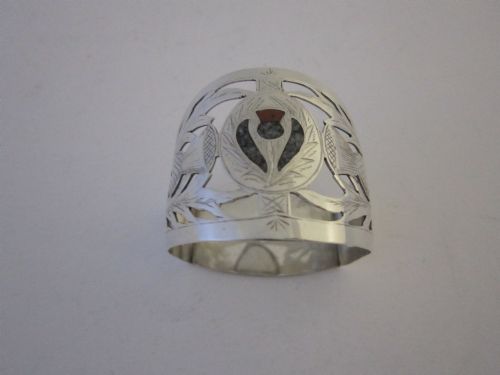
Makers utilised solid sterling silver, occasionally applying a gold wash (vermeil) to the interior surfaces of vessels like berry spoons and cream jugs. Supplementary materials such as glass, agate, and citrine appear in specific forms like claret jugs and decorative napkin rings.
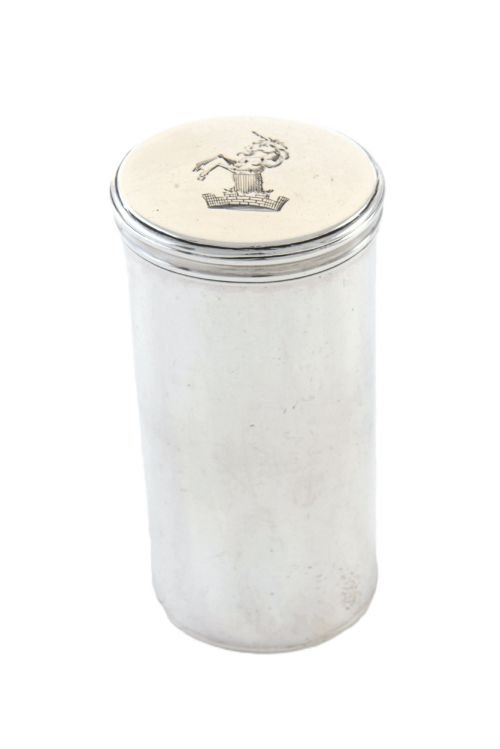
Silversmiths shaped the metal through hammering, casting, and piercing, followed by manual surface engraving to delineate foliage, crests, and geometric motifs. Component parts were soldered together and finished with hallmarks stamped to verify purity and origin.
Listings feature items spanning the eighteenth, nineteenth, and twentieth centuries, incorporating sterling silver, glass, and agate.
Evaluating Quality
Quality rests upon the crispness of the hand-engraving and the structural integrity of the silver work, particularly in pierced mustard pots and delicate sugar baskets. Crisp, deep tool marks indicate superior handcraft, whereas worn or shallow incisions suggest heavy polishing over time.
The weight and balance of spoons, ladles, and salt cellars dictate their substance in the hand. Maker attribution to notable workshops adds distinction, as does the survival of original fitted cases and intact interior glass liners.
Nathan and Hayes·Charles and George Fox·William Bennett·John Emes·Peter and Ann Bateman
The Engraved Sterling Silver Tableware Glossary
- Sterling silver
- An alloy consisting of 92.5 percent silver by weight, combined with other metals to ensure durability for functional dining items.
- Hallmark
- A system of official marks stamped into precious metal to indicate the maker, standard of purity, assay office, and year of production.
- Vermeil
- Sterling silver that has been coated with a thin layer of gold, frequently utilised on the bowls of serving spoons and inside drinking vessels.
- Piercing
- A technique where metal is cut through to create openwork decorative patterns, commonly seen on mustard pots and sugar baskets.
- Trefid
- An early form of flatware featuring a tripartite lobed top at the end of the handle, originating in the seventeenth century.
Engraved Sterling Silver Tableware: Frequently Asked Questions
How do I clean engraved silver?
Clean sterling silver using a specialised non-abrasive silver polish and a soft cloth to protect the fine engraved lines.
Avoid harsh chemical dips that can strip dark highlights from the engraved recesses and damage supplementary materials like glass or velvet.
Can I use these items daily?
Many of these pieces, such as napkin rings and serving spoons, remain robust enough for regular dining use. Hand wash them immediately after use and dry them thoroughly rather than placing them in a dishwasher.
Delicate items with glass liners or intricate piercing require more careful handling during family meals.
What is a berry spoon?
A berry spoon is a large serving implement featuring heavily chased or engraved fruit and foliage motifs across the bowl and handle. These spoons were often produced during the Georgian era and adapted later in the Victorian period for serving soft fruits.
They frequently arrive in pairs or fitted presentation cases lined with silk.
How do I date antique silver?
Dating relies primarily on the stamped hallmarks, which include a specific letter code representing the year of assay alongside the maker's mark. Stylistic indicators like Georgian neoclassical lines or Victorian pierced decoration also help determine the period.
Consulting historical assay office registers confirms the exact year of manufacture.