


Engraved Silver Caddy Spoon
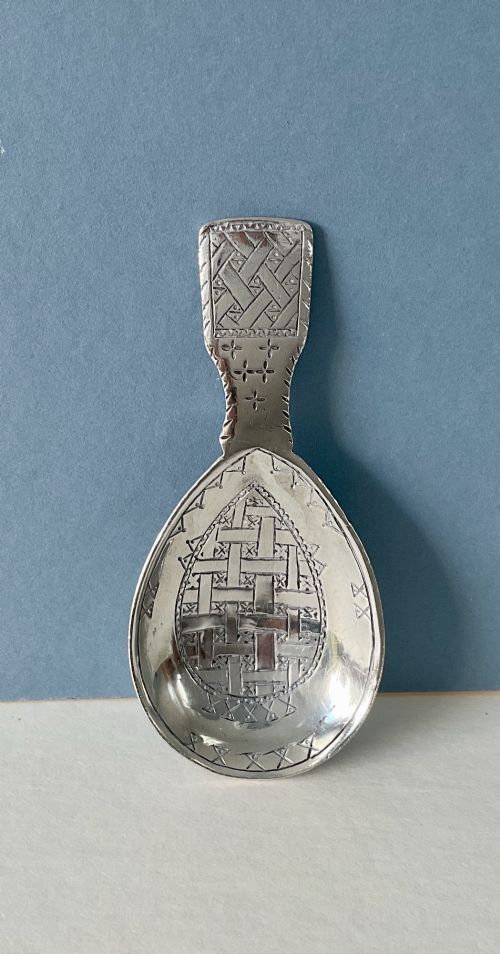
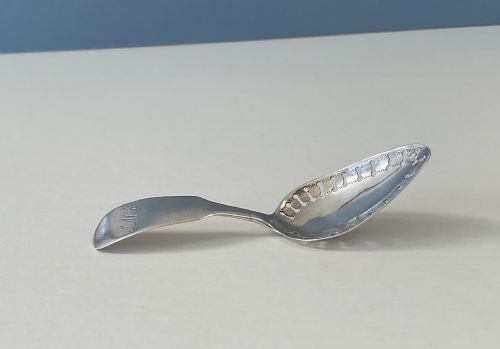
These engraved silver caddy spoon examples offer miniature basins and ornamented handles designed to measure tea leaves from caddies into pots.
Engraved Silver Caddy Spoon
An engraved silver caddy spoon serves as a small scoop created specifically for measuring dry tea leaves from a storage caddy into the teapot. When you search for an engraved silver caddy spoon, you encounter diminutive dining silver produced in various forms from the Georgian period through the Edwardian era. These pieces appear in regional styles across England, Scotland, Ireland, and major assay towns including London, Birmingham, Sheffield, Chester, and Newcastle.
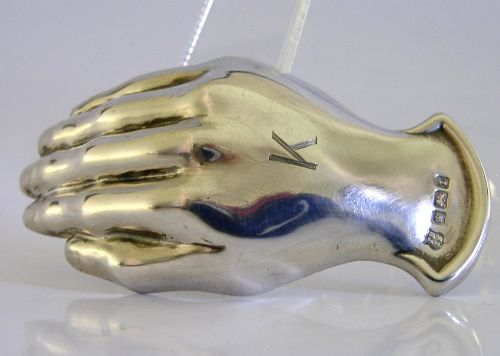
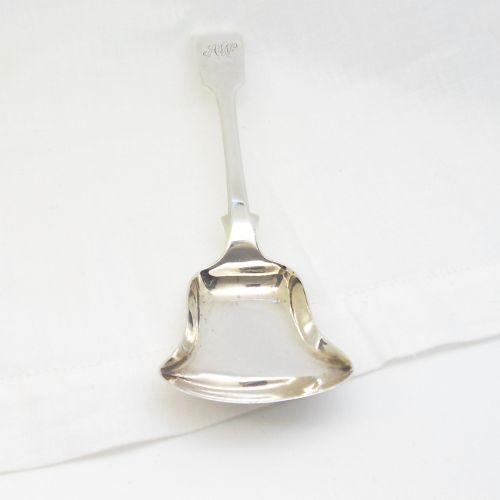
The objects take many shapes, ranging from traditional shell basins and rectangular bowls with foliate engraving to novelty designs such as jockey caps and sugar shovels. Most examples originate in the Georgian and Victorian eras, though Edwardian and 1900s variations also emerge. Buyers most frequently meet standard sterling and solid silver constructions, alongside occasional silver plate items.
How they were made
Silversmiths utilised sterling silver and solid silver sheets, shaping basins through hammering and pressing techniques before applying hand engraving. Artisans cut patterns into the metal surface to create decorative motifs on handles and rectangular bowls.
Makers stamped hallmarks onto the silver to record the assay office, date letter, and maker's mark, ensuring the metal standard. Specialised forms like jockey caps required segmented construction to replicate the peak and crown of headwear.
Engraved Silver Caddy Spoon Retail Price Guide 2026
Typical asking prices for engraved silver caddy spoon among the pieces listed under this phrase on Sellingantiques today, from the lower quarter to the upper quarter. They describe what is for sale here now, not the wider market.
Regional British production appears through provincial items originating from Scottish and Irish assay towns.
What varies in quality
The clarity and depth of the hand engraving distinguish superior pieces from simpler utilitarian examples. Crisp lines on foliate patterns or detailed feather work on novelty caps demonstrate higher craftsmanship.
The thickness of the silver gauge and the distinctness of the hallmarks affect the overall standard. Pieces with intact makers' marks and legible town stamps carry greater historical weight than worn or rubbed examples.
John Walton·George Unite·William Neale·George Wintle
The Engraved Silver Caddy Spoon Glossary
- Hallmark
- Official stamps struck into precious metals to indicate the maker, assay office, purity, and year of production. These marks allow collectors to date pieces precisely.
- Sterling Silver
- An alloy of silver containing 92.5 percent pure silver and 7.5 percent other metals, usually copper. This standard underpins the majority of British silver items.
- Assay Office
- An organisation charged with testing the purity of precious metals and applying statutory hallmarks. Towns such as London, Birmingham, Sheffield, and Chester operated official offices.
- Foliate Engraving
- Decorative carving upon metal depicting leaves, foliage, and plant motifs. This style appears frequently on Georgian and Victorian spoon handles.
Engraved Silver Caddy Spoon: Frequently Asked Questions
What is a caddy spoon used for?
These small utensils measure loose tea leaves from a caddy into a teapot. Their short handles allow them to sit neatly inside or beside storage containers.
They emerged during the eighteenth century alongside the growing popularity of imported tea. Households used them to control expensive leaf portions.
How do I date an antique silver caddy spoon?
Collectors check the stamped hallmarks on the back of the handle or bowl to identify the assay office and date letter. Reference tables link these specific symbols to exact years.
Stylistic clues like shell bowls and foliate engraving also point toward Georgian or Victorian production periods.
Are these spoons made of solid silver?
Most pieces listed consist of sterling silver or solid silver, hallmarked to confirm the metal standard. A smaller number utilise silver plate over a base metal.
Assay marks provide the definitive guide to the material composition of each individual item.
Why are some caddy spoons shaped like caps?
Novelty designs such as jockey caps reflect Victorian and Edwardian tastes for amusing and inventive silverware. Silversmiths modelled miniature items on familiar objects of the era.
These pieces served as functional tea tools while acting as conversation items at the dining table.