


English Wooden Desk Chair
An english wooden desk chair brings tactile warmth and vernacular character to a workspace, combining traditional seating forms with sturdy timber construction.
English Wooden Desk Chair
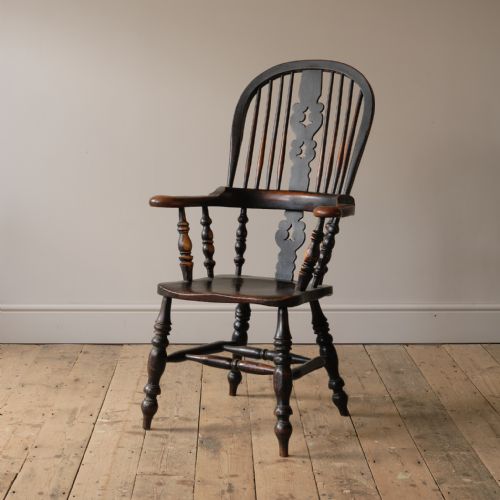
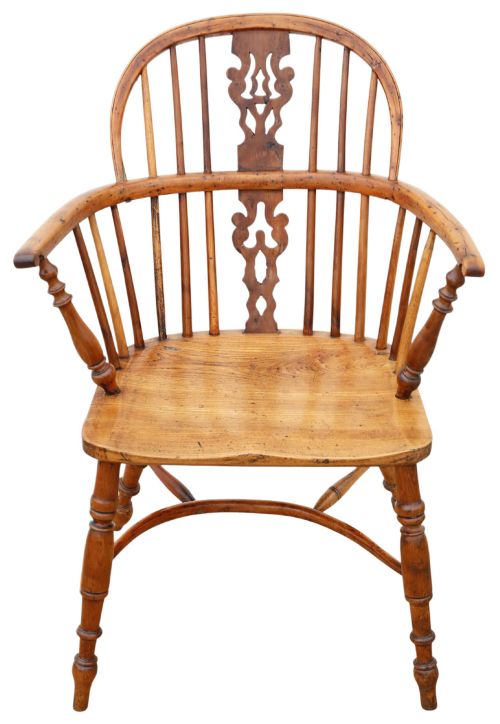
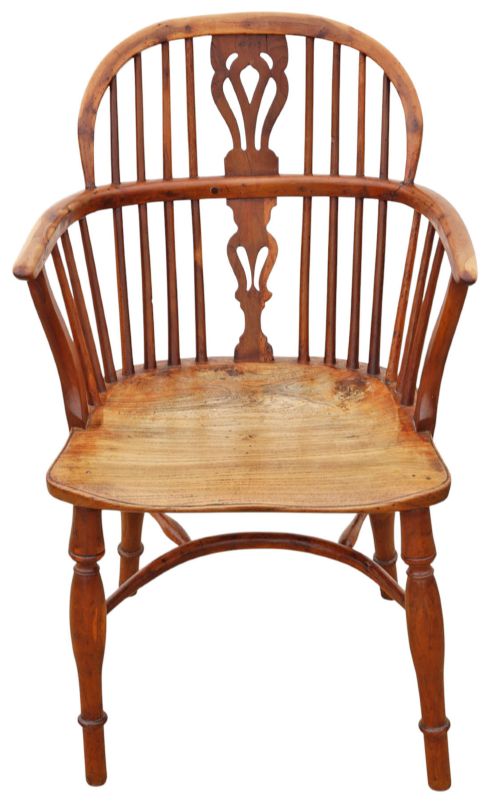
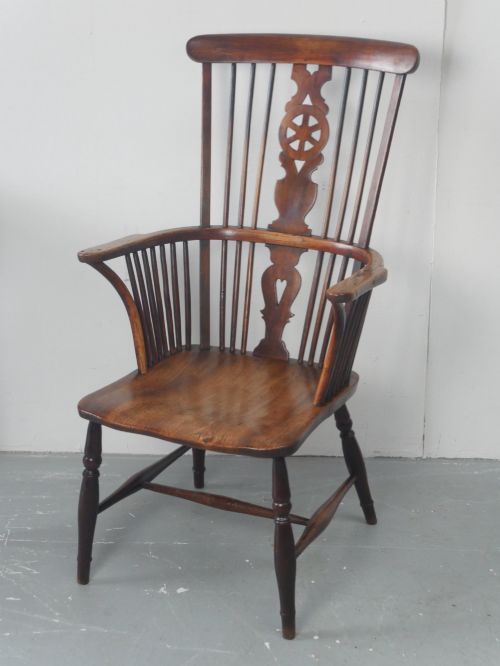
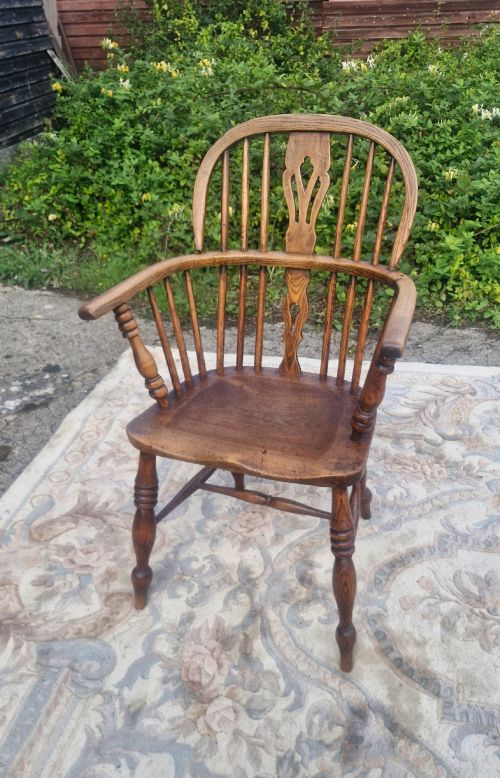
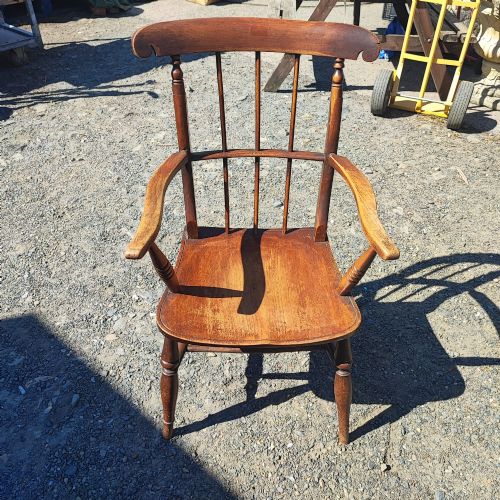
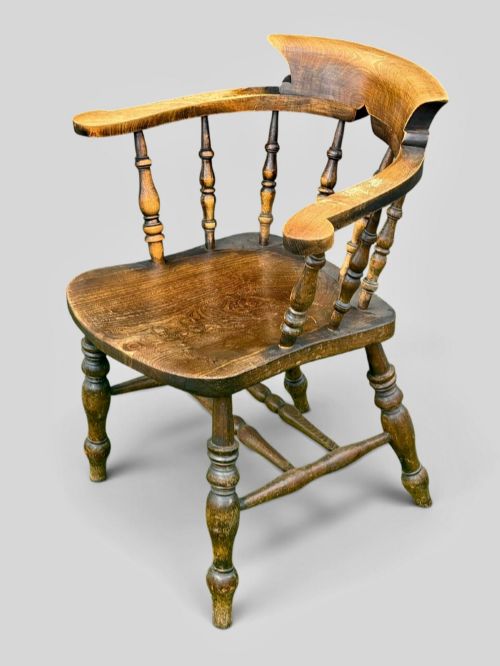
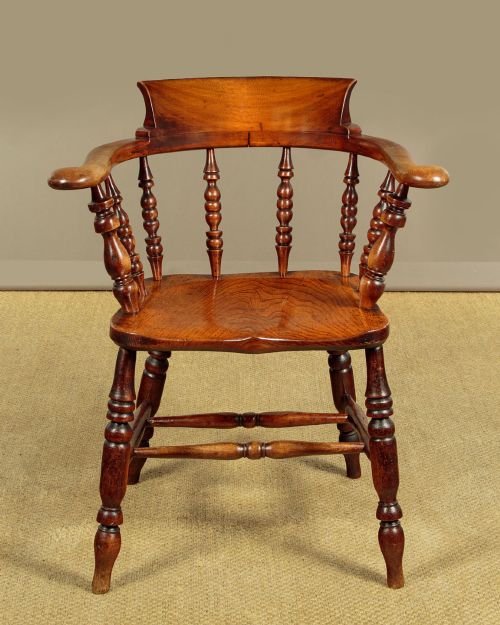
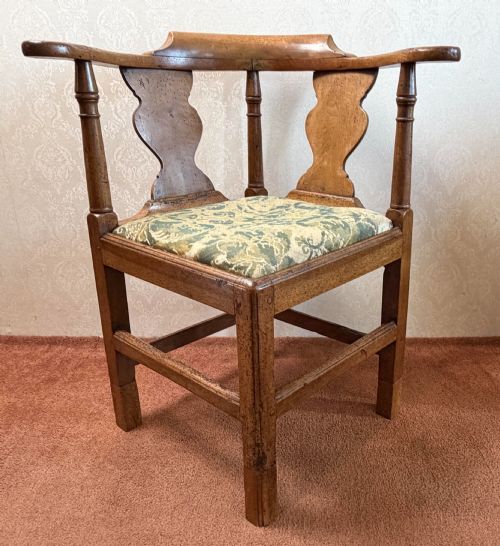
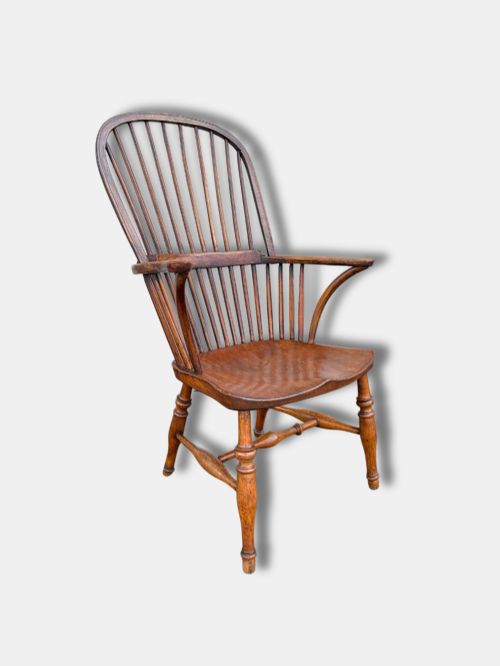
An english wooden desk chair encompasses sturdy vernacular seating forms designed for daily utility in studies, offices, and farmhouses. The selection relies heavily on Windsor chairs, smoker's bows, and captain's chairs originating from regional British workshops.
Makers often built these pieces using native hardwoods such as elm, ash, and yew, resulting in supportive armchairs and carvers suited to prolonged sitting. The prevailing examples span the eighteenth and nineteenth centuries, reflecting the evolution of domestic and office seating.
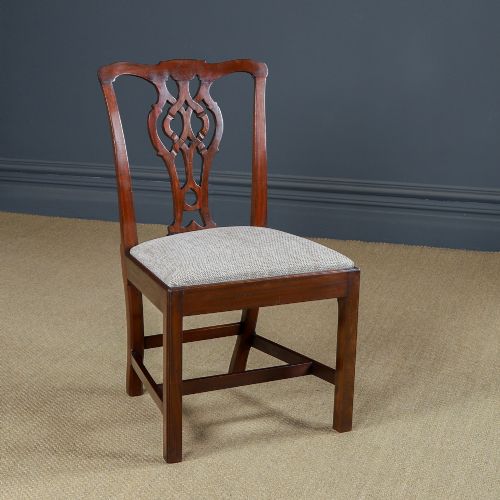
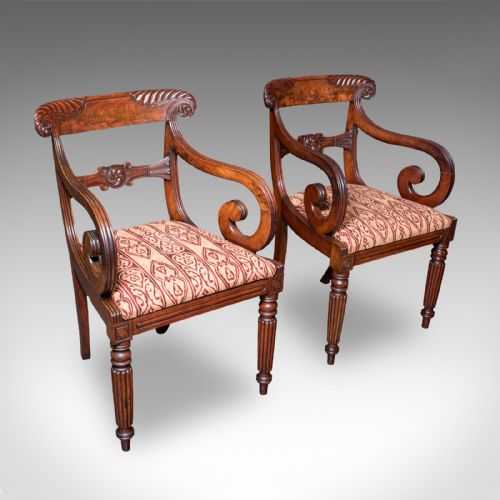
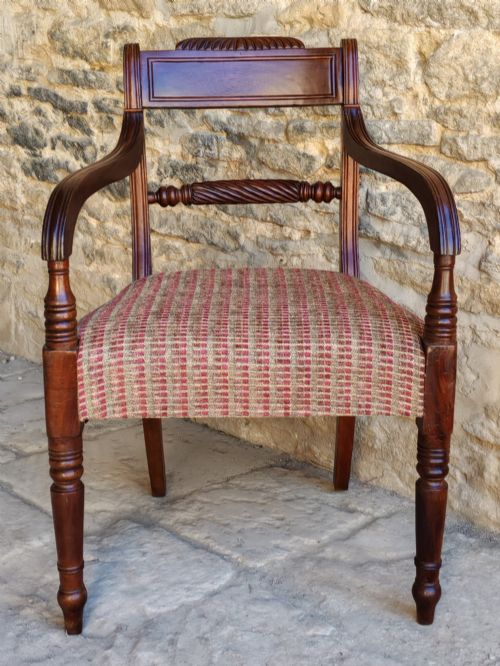
Buyers encounter high-back, low-back, and comb-back variations alongside formal mahogany and walnut office seats influenced by Georgian and Victorian design. Each variant provides a distinct silhouette rooted in regional English furniture traditions.
How they were made
Craftsmen shaped these chairs utilising solid native timbers, pairing flexible woods like ash for spindles and bent limbs with dense elm for sculpted seats. Yew appears frequently in higher-status examples, offering rich figuring and deep natural lustre.
Makers employed traditional joinery techniques including turned legs fitted directly into thick wooden seats and steam-bent rails forming continuous hooped backs. Beech and oak also support structural elements, while leather inserts occasionally pad later revolving desk variants.
Materials recorded across the selection include elm, ash, yew, beech, oak, and mahogany.
What varies in quality
The distinction between tiers rests upon timber selection and the retention of original surface patination. Exemplary pieces display finely figured yew or carefully matched ash and elm grains that have deepened naturally over centuries.
Structural integrity and the subtlety of spindle turning also separate standard utility seating from refined workshop output. Examples retaining distinct maker stamps or balanced regional proportions command greater recognition among collectors.
J Spencer·Gabbitass Worksop
The English Wooden Desk Chair Glossary
- Windsor chair
- A wooden chair constructed with a solid elm seat into which the legs and back spindles are separately inserted. This form evolved through numerous regional English styles.
- Smoker's bow
- A low-backed Windsor variant featuring a continuous curved armrail supported by turned spindles above a solid timber seat. These pieces often served in smoking rooms and offices.
- Carver
- An armchair designed in the style of matching dining chairs, typically positioned at the head of a table or utilised as a desk seat. They often incorporate elbow rests.
- Comb back
- A Windsor chair design where the central vertical spindles extend upward to support a horizontal top rail resembling a hair comb. This construction offers enhanced upper back support.
- Vernacular
- Furniture produced by regional craftsmen following local traditions rather than strict academic architectural designs. These pieces emphasise utilitarian function and available local timbers.
English Wooden Desk Chair: Frequently Asked Questions
What is a smoker's bow chair?
A smoker's bow is a sturdy low-backed armchair featuring a rounded wooden armrail and turned spindles. These chairs were widely used in nineteenth-century offices and smoking rooms.
They provide compact support and robust construction, making them practical for daily use at a desk or writing table.
Are these chairs comfortable for working?
Many models feature deeply saddled wooden seats shaped by hand to fit the body. This ergonomic carving provides surprising support during long hours at a desk.
Adding a small loose cushion can further enhance comfort while preserving the historic timber surface.
What timbers were commonly used?
Maker workshops relied primarily on native British hardwoods suited to specific structural demands. Elm provided strong, split-resistant seats.
Ash offered flexible strength for steam-bent hoops and spindles, while yew was selected for its decorative grain and durability.