

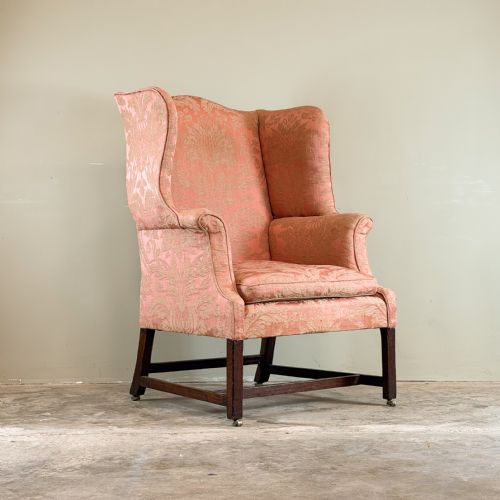
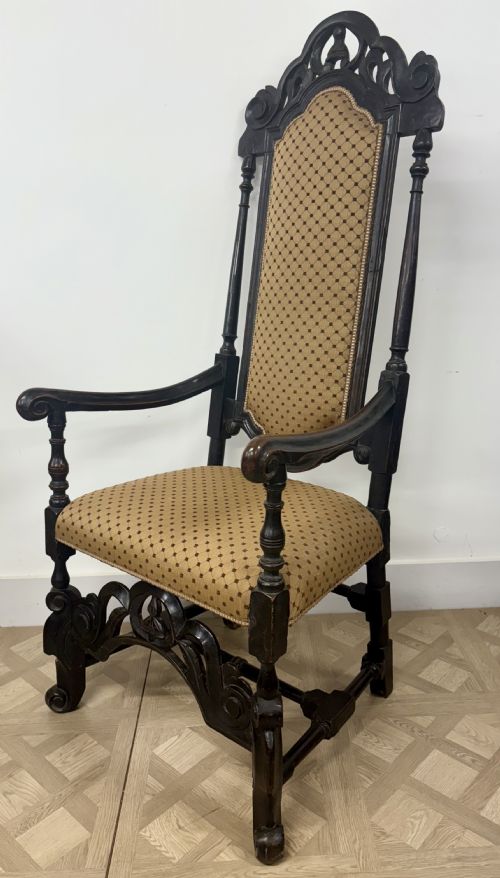
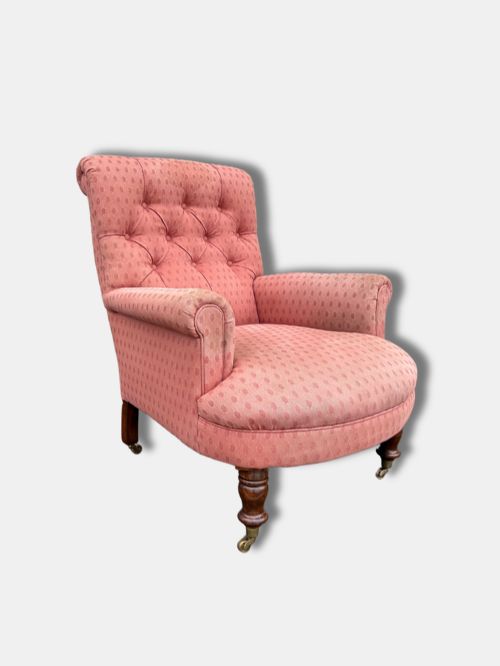
English Upholstered Armchair
An english upholstered armchair brings deep seating, substantial frames and traditional upholstery together to anchor a room with comfort and historical presence.
English Upholstered Armchair
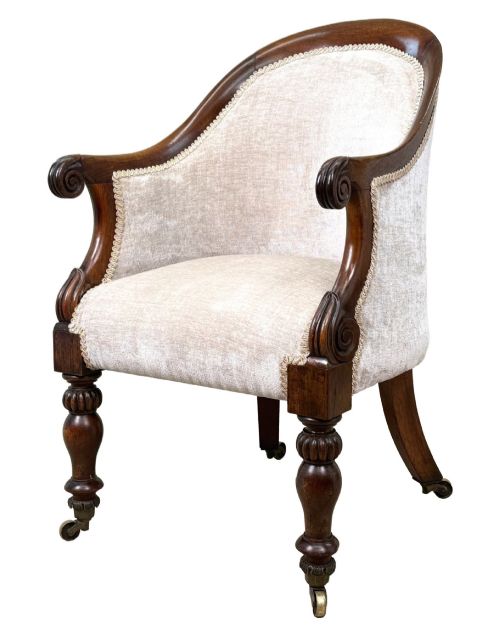
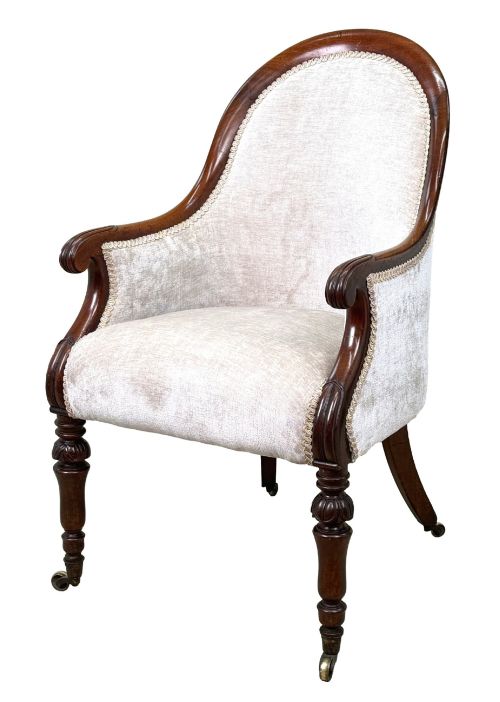
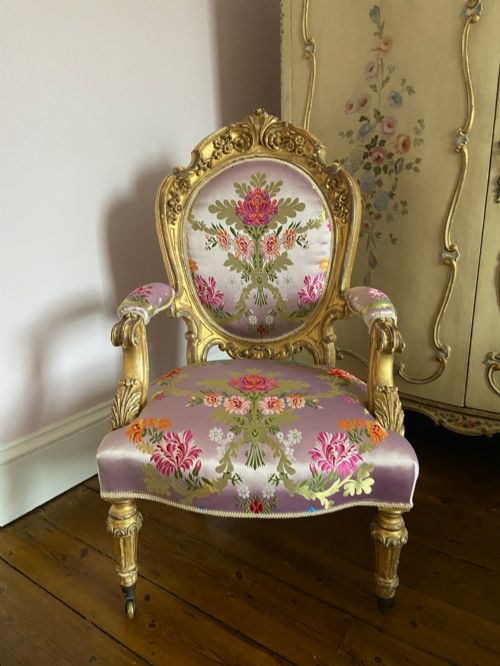
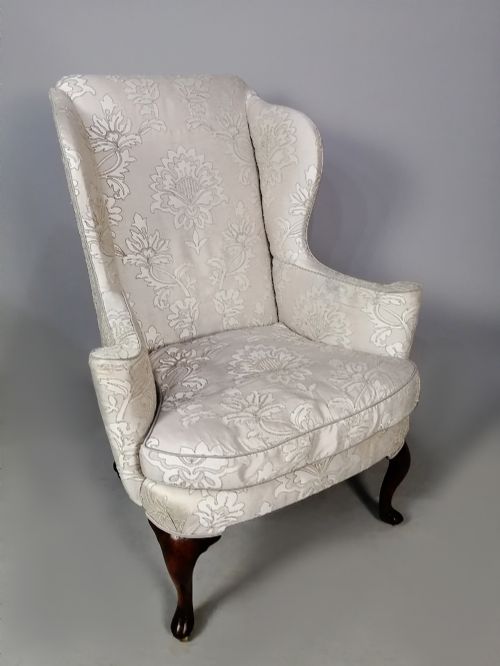
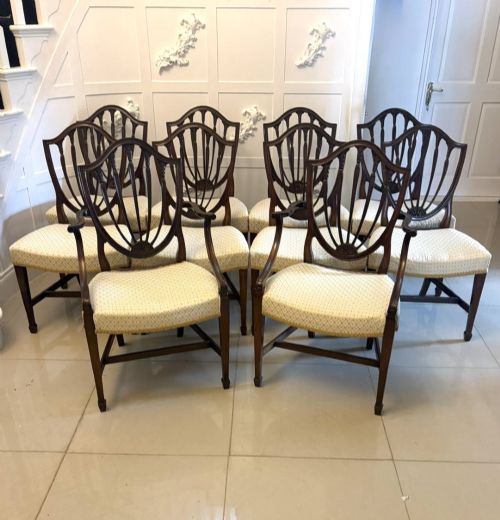
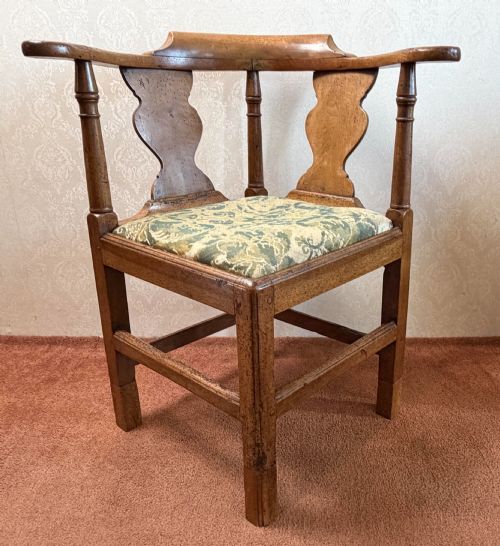
When searching for an english upholstered armchair, buyers encounter centuries of domestic seating designed around comfort, posture and reception rooms. The selection ranges from 17th-century walnut frames and 18th-century Georgian wingbacks to Victorian button-backed tub chairs and 1930s Bridgewater designs.
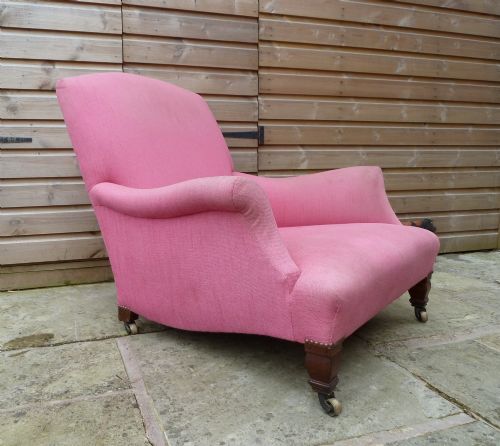
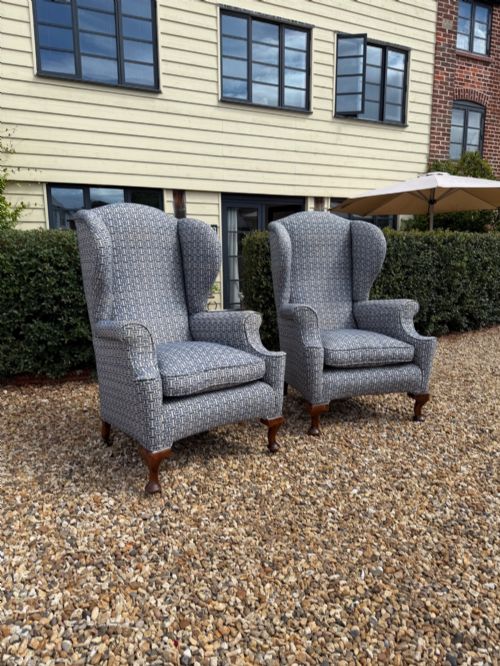
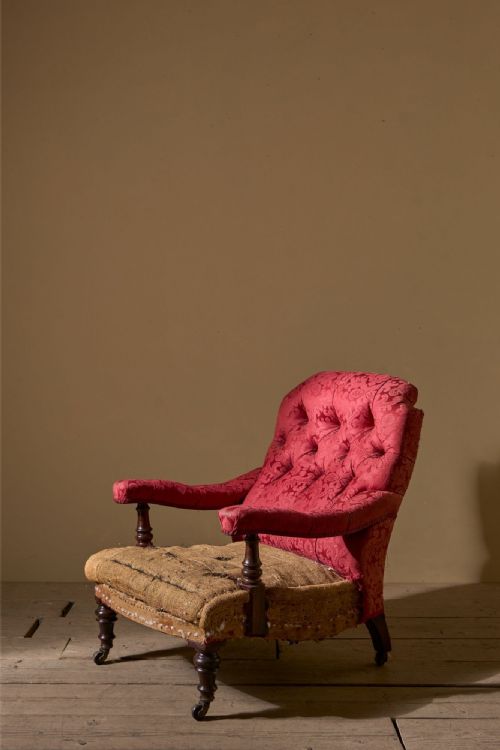
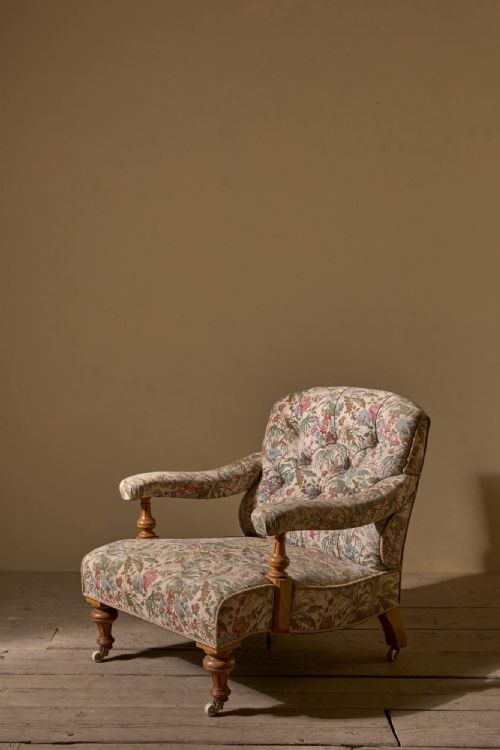
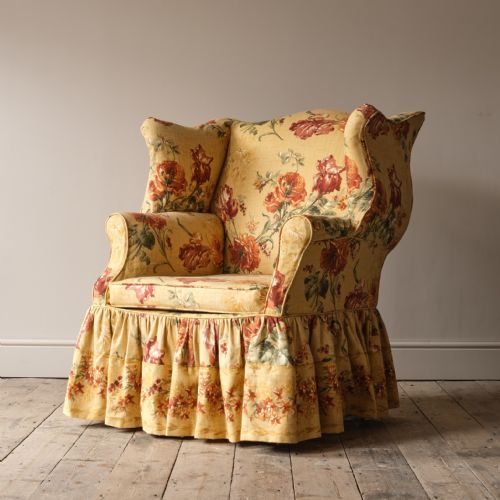
The most common examples on this page date from the 19th century, drawing on Victorian and Edwardian manufacturing traditions. These vary from low library models and reading chairs to large country house wingbacks supported on timber frames with castors.
Makers such as Howard and Sons, Gillows and Maple and Co appear alongside unbranded country house seating. Their forms span open armchairs, upholstered lounge chairs and deep-seated reading models finished in fabric, leather, calico or hessian.
How they were made
Frames rely on sturdy timbers such as mahogany, walnut, oak, maple and general hardwood or timber. These provide the structural skeleton for wingbacks, library chairs and deep-seated lounge seats.
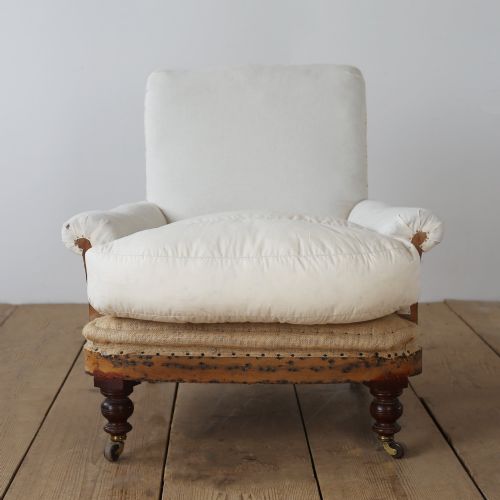
Traditional upholstery techniques build comfort through internal webbing, springs and stuffing layers, finished with calico or hessian undercovers. Visible woodwork is often polished, carved or gilded, while hidden elements utilise brass castors for mobility.
Periods represented span from the late 17th century through the Georgian, Regency, Victorian and Edwardian eras into the 1930s.
What varies in quality
The integrity of the internal wooden frame and the retention of original maker stamps or labels heavily influence standing. Chairs retaining traditional sprung tension and supportive stuffing sit above those with compromised interiors.
The refinement of timber carving, the choice of secondary woods and the quality of the outer textile covering distinguish standard workshop output from premier cabinet maker commissions.
Howard and Sons·Gillows·Maple and Co·C. Hindley and Sons·Mellier and Co·William Birch
The English Upholstered Armchair Glossary
- Wingback
- A chair style featuring protective upholstered side panels designed to shield the sitter from draughts. These deep seats became popular in the 18th century.
- Tub chair
- A compact seating form with a curved, continuous back and armrest structure. This enclosing shape offers a neat footprint for libraries and bedrooms.
- Gainsborough chair
- A wide, open-armed mahogany desk or library chair featuring upholstered seat and back panels. Eighteenth-century versions display fine open framework.
- Calico
- A plain-woven cotton fabric frequently used as the foundational under-upholstery layer on traditional seating. It holds internal stuffing in place before final decorative covering.
- Hessian
- A coarse woven fabric made from jute fibres, utilised inside traditional chair construction for webbing and stuffing containment. Its sturdy weave supports heavy spring systems.
English Upholstered Armchair: Frequently Asked Questions
How do I identify a Howard and Sons armchair?
Look for stamped mahogany legs, numbered casters and characteristic low, deep-seated proportions. Many also retain paper labels or signature ticking fabric beneath the loose cushions.
These chairs were built for durability and relaxed comfort, often featuring coiled spring systems that distinguish them from standard Victorian upholstery.
What is a Gainsborough chair used for?
A Gainsborough chair functions primarily as a wide desk or library seat. The open wooden arms allowed eighteenth-century ladies and gentlemen to sit comfortably while wearing voluminous garments.
Today, they work well as occasional seating in studies or living rooms where a formal mahogany frame is desired without sacrificing padded comfort.
Are wingback chairs comfortable for daily use?
Traditional wingbacks offer robust lumbar support and deep seating cavities designed for extended periods of reading or resting. Their generous padding adapts well to modern living spaces.
Choosing a piece with feather-filled cushions or traditional coil springing ensures a supportive yet yielding sit suitable for everyday lounging.
How do I tell an 18th-century chair from a 19th-century copy?
Examine the timber patination, hand-cut joinery and internal framing methods beneath the upholstery. Eighteenth-century frames utilise period woods and construction marks that differ from later revival pieces.
Consulting maker stamps and observing the wear patterns on the wooden feet and stretchers also clarifies the true manufacturing era.