



English Sporting Oil Painting
An english sporting oil painting captures horses, hounds and rural pursuits on canvas across the nineteenth and twentieth centuries.
English Sporting Oil Painting
An english sporting oil painting depicts rural pursuits, equine portraits, hunt scenes, and gun dogs across the nineteenth and early twentieth centuries. The pieces on this page span Georgian, Regency, Victorian, and Edwardian periods, presenting both large narrative canvases and intimate animal studies.
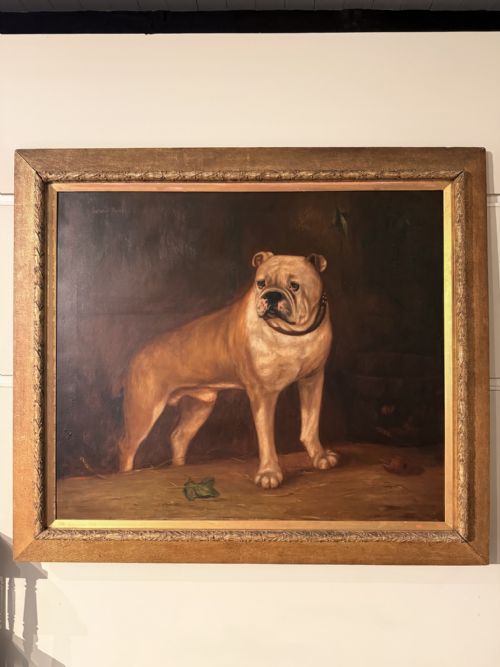
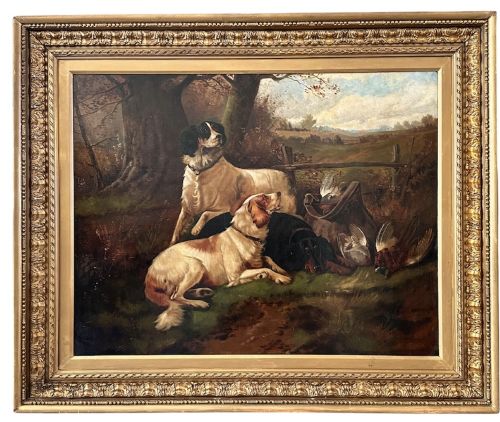
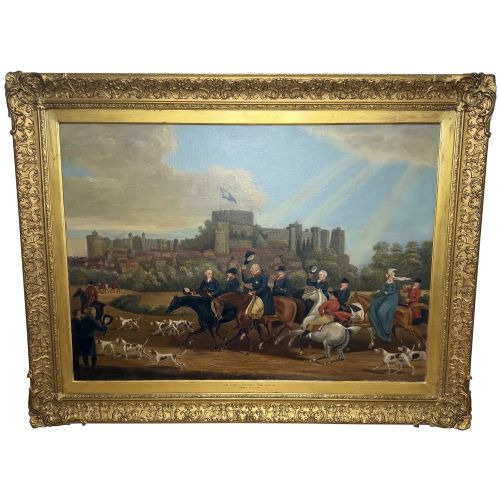
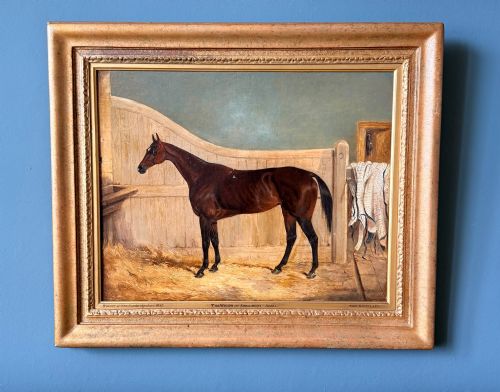
Most works recorded here focus on horses, hounds, game, and coaching scenes rendered in oil paint on canvas or wood panels. These subjects reflect the country life interests of their original patrons, executed by regional painters and Royal Academicians alike.
How they were made
These works utilise oil paint applied to woven canvas supports or wooden boards, often housed within heavy giltwood and gold leaf frames. Artists built up their compositions using layered pigments to capture the sheen of horse coats and the textures of rural landscapes.
Many canvases bear the hand of named nineteenth-century artists who worked directly from life in stables, kennels, and hunting fields. The physical construction combines traditional stretcher frames with applied protective varnish layers that darken naturally over time.
The listings on this page span the 1800s through the 1960s, executed primarily in oil on canvas and wood.
What varies in quality
The anatomical accuracy of the animals and the vitality of the brushwork separate standard decorative works from master canvases. Superior compositions display a deep understanding of equine or canine conformation, rendered with confident, fluid handling of the oil medium.
Provenance and attribution strongly influence the standing of a piece, with works by documented sporting painters commanding greater attention. The condition of the original paint layer and the presence of a period gilt frame further shape the integrity of each work.
John Frederick Herring Senior·Thomas Walker Bretland·Colin Graeme Roe·Clifton Tomson·Samuel Henry Alken·Henri Schouten
The English Sporting Oil Painting Glossary
- Oil on Canvas
- A traditional painting method where oil pigments are applied to stretched woven fabric. This medium allows for rich blending and deep colour saturation.
- Giltwood
- Timber that has been coated with a thin layer of gold leaf or metallic gilt finish. It forms the decorative ornamental border surrounding most traditional paintings.
- Sporting Art
- A genre of painting dedicated to horses, hunting, shooting, and canine subjects. These works document rural pastimes and prized animals.
- Provenance
- The documented history of ownership associated with an artwork. It provides a verifiable record tracing the piece back to its creator or original collection.
English Sporting Oil Painting: Frequently Asked Questions
What subjects appear in these paintings?
The works depict horses, foxhounds, gun dogs, game birds, hunting meets, and coaching scenes in rural landscapes. Many focus on specific named animals or famous hunts.
Animals form the central motif, often shown with detailed attention to breed characteristics and sporting equipment like saddles or guns.
How do I identify the period?
Period indicators include the clothing styles of human figures, the frame construction, and the specific pigments used across the canvas. Nineteenth-century works often feature darker varnishes and heavier giltwood frames.
Artists' signatures and dated inscriptions provide the most direct evidence of a painting's precise origin time.
Where should I hang one?
These paintings suit traditional studies, hallways, and drawing rooms where their dark tones complement wood panelling and classic interiors. Direct sunlight should be avoided to protect the oil pigments and canvas.
Proper wall placement away from heat sources ensures the giltwood frames and painted surfaces remain stable over time.
Are the frames original?
Some pieces retain their period gilt wood frames, while others have been fitted with later framing to suit contemporary interiors. Frame styles range from heavily ornamented Victorian moulding to simpler Regency profiles.
Checking the rebate and reverse of the frame helps determine whether it has housed the canvas for its entire history.