





English Silver Tablespoons
English silver tablespoons are substantial domestic and dining implements made to grace any table, offering tangible links to the past through their enduring metal.
English Silver Tablespoons
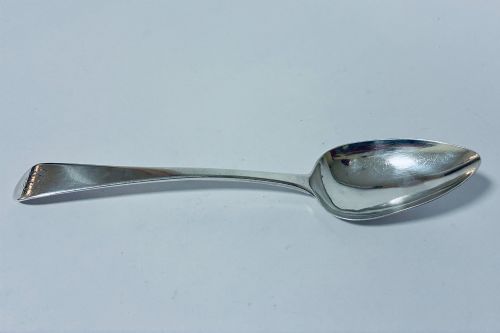
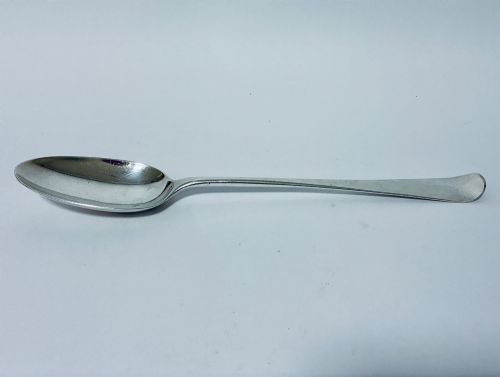
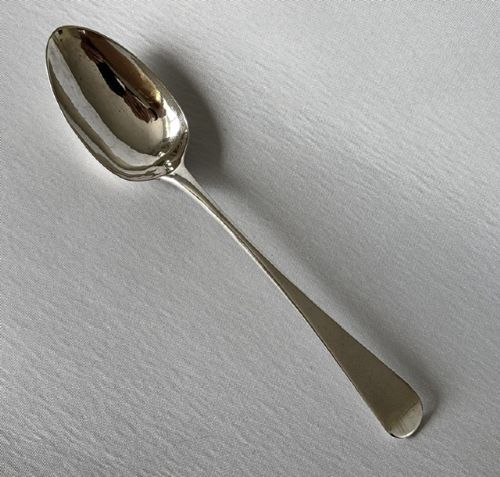
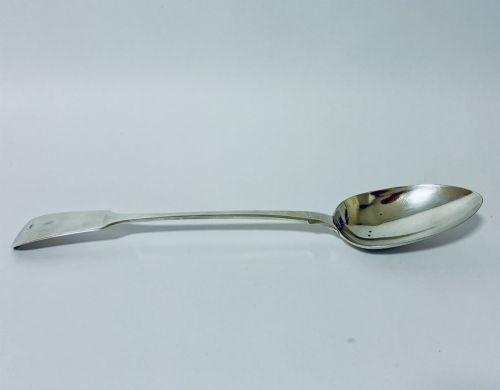
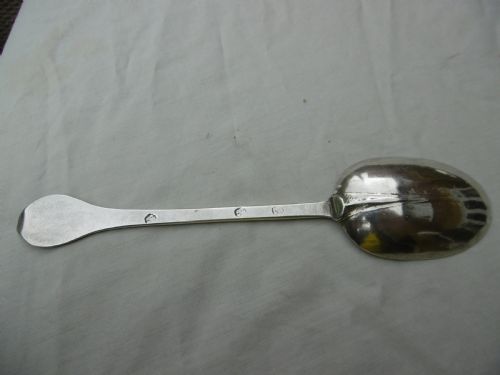
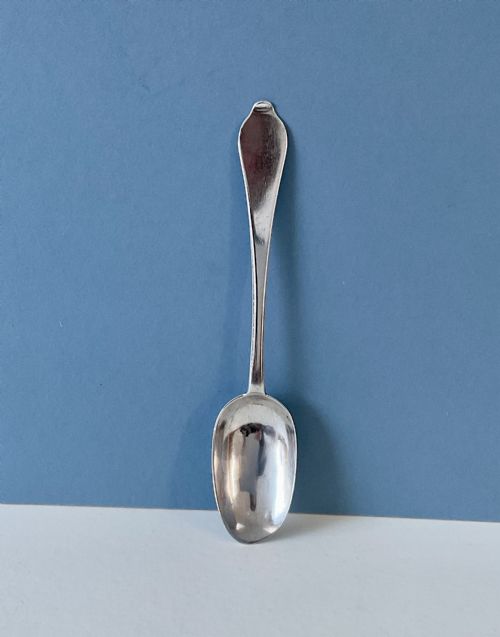
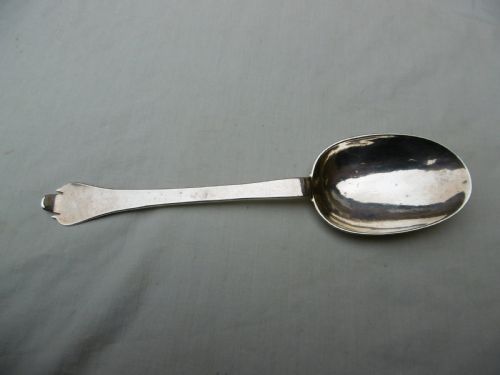
English silver tablespoons represent a cornerstone of historic flatware, encompassing grand serving spoons and table pieces produced across multiple centuries. When searching for english silver tablespoons, a buyer encounters forms ranging from late seventeenth-century trefid types to Georgian Old English patterns.
The examples on this page span several distinct periods including the seventeenth century, Queen Anne era, George II reign, and Edwardian times. Most items meeting this search present as sturdy sterling or Britannia silver implements shaped for dining or serving.
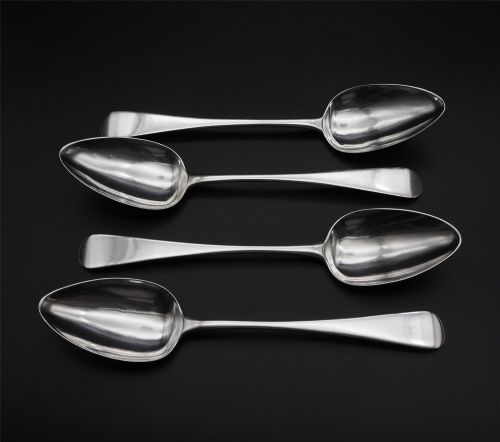
Originating from London, Exeter, and provincial regions like East Anglia or Ireland, these spoons demonstrate the varied output of British silversmiths. Buyers frequently discover matched sets alongside individual tablespoons bearing period crests and hallmarks.
How they were made
Silversmiths hammered sterling silver and Britannia silver from ingots into flat sheets before cutting and shaping the bowls and stems by hand. This labour-intensive process left subtle surface textures and hammer marks visible beneath later polishing.
Makers reinforced the handles and junction points to withstand daily dining use while applying engraved family crests or initials with sharp gravers. Guild assay offices then stamped the finished spoons with hallmarks to guarantee the purity of the metal.
A stag crest stares out from an eighteenth-century handle, watching over dinners served centuries after the beast vanished from the forest.
What varies in quality
The calibre of english silver tablespoons depends heavily on the crispness of the original hammering and the preservation of the maker marks. Thicker gauge metal ensures the bowl retains its structural integrity rather than thinning from centuries of vigorous cleaning.
Aesthetic distinction often lies in the elegance of the terminal engraving, the clarity of provincial town marks, and whether a set remains together with matching crests. Pieces retaining their original proportions and uncompromised hallmarks command greater appreciation among collectors.
Peter and Jonathan Bateman·Benjamin Prosser·J Ladyman
The English Silver Tablespoons Glossary
- Britannia Silver
- A higher standard of silver purity introduced by law in England, containing slightly more pure silver than standard sterling. Items made to this standard often date from the early eighteenth century.
- Dognose tablespoon
- An early style of spoon featuring a distinctive notched or upturned terminal shaped like a dog's nose. This form was widely produced during the reigns of William and Mary and Queen Anne.
- Old English pattern
- A tapered handle design with a downward-curving end that became popular during the latter half of the eighteenth century. It remains a standard shape in British dining flatware.
- Hallmark
- Official stamps applied by an assay office to indicate metal purity, the maker, and the year of production. These marks provide definitive evidence of an antique's age and origin.
English Silver Tablespoons: Frequently Asked Questions
What is the difference between a tablespoon and a serving spoon?
Historic tablespoons were general dining and portioning implements used at the table before modern place settings evolved. Many antique examples sold under this heading function equally well as serving spoons due to their generous proportions.
Buyers often find that older seventeenth and eighteenth-century tablespoons exceed modern spoon sizes in weight and bowl capacity. Their versatile forms reflect changing dining habits across the Georgian and Edwardian eras.
Can I use antique silver tablespoons daily?
Many collectors and owners incorporate historic silver flatware into modern dining routines, enjoying the tangible connection to past centuries. Hand washing with mild soap preserves the patina and prevents damage to the soft metal.
Avoiding harsh abrasives ensures that engraved crests and original hallmarks remain distinct for future generations. The durable nature of sterling silver makes these historic implements fully functional for everyday use.
Why do some spoons have engraved crests?
Gentry and noble families routinely commissioned silversmiths to engrave their heraldic crests or monograms onto tableware to denote ownership. These additions personalise the spoons and sometimes allow researchers to trace the piece's provenance.
Over the centuries, multiple crests were occasionally added as spoons passed through different households or marriage alliances. Such engravings form a valued part of the object's documented history.