





English Rococo Mirror
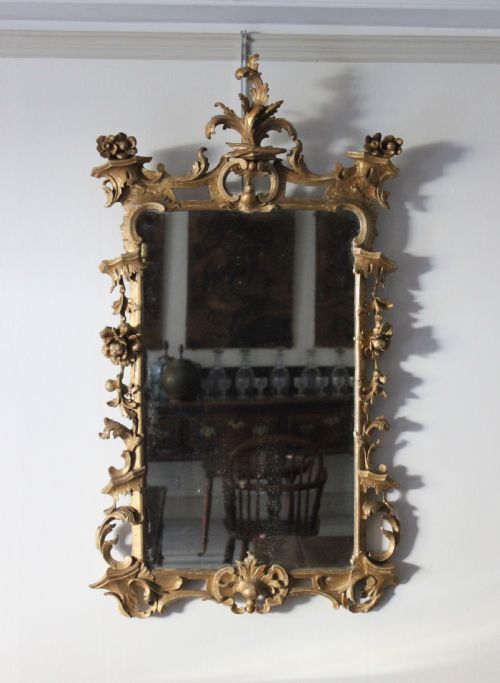
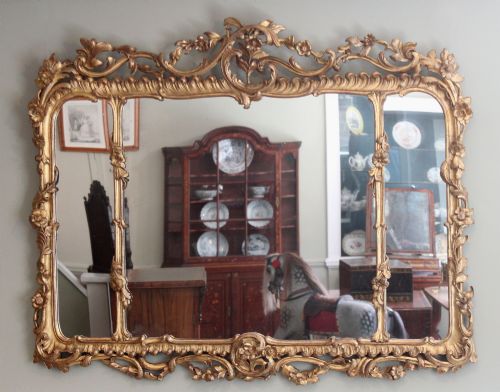
An english rococo mirror brings flowing asymmetric curves and elaborate scrollwork into a room, capturing the lively spirit of eighteenth-century design.
English Rococo Mirror
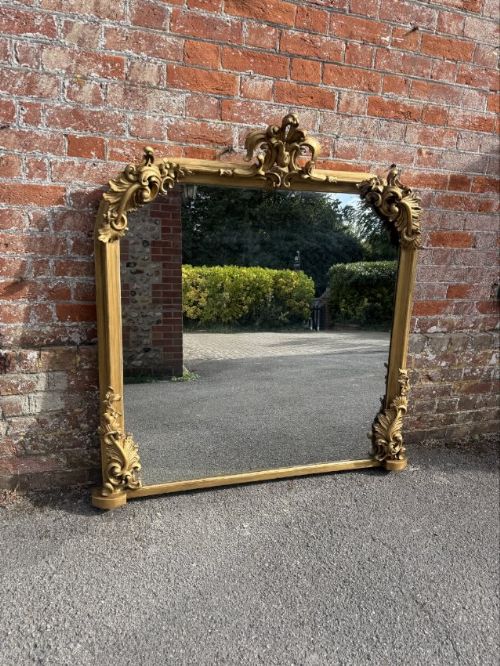
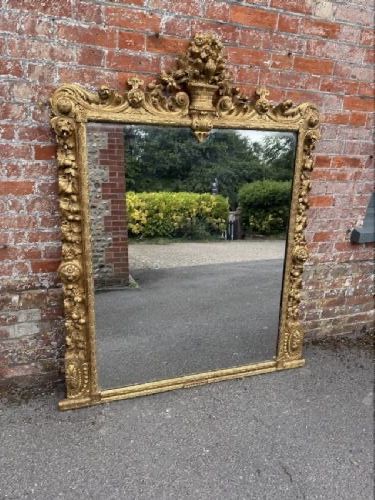
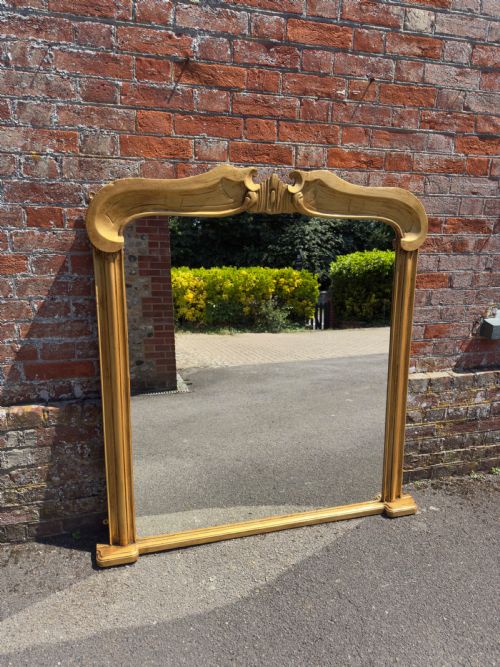
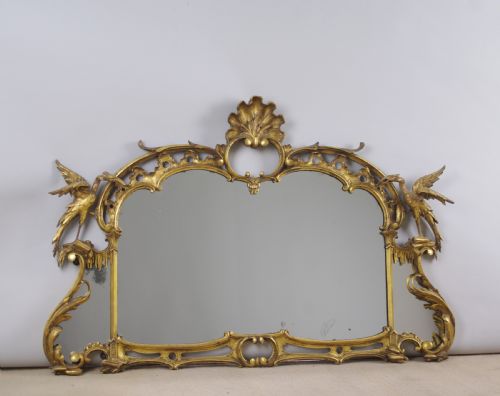
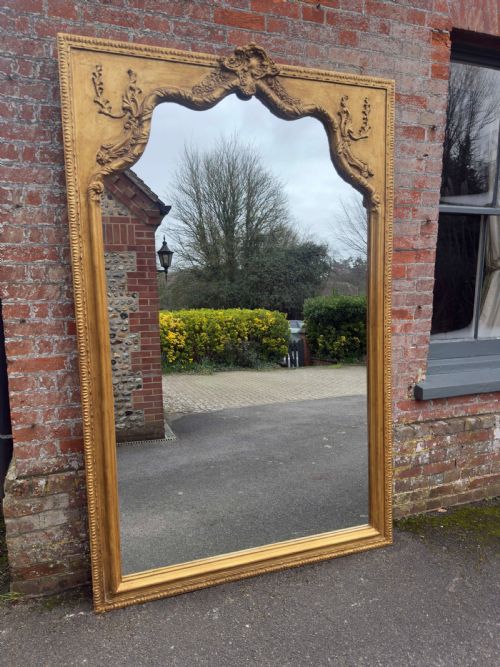
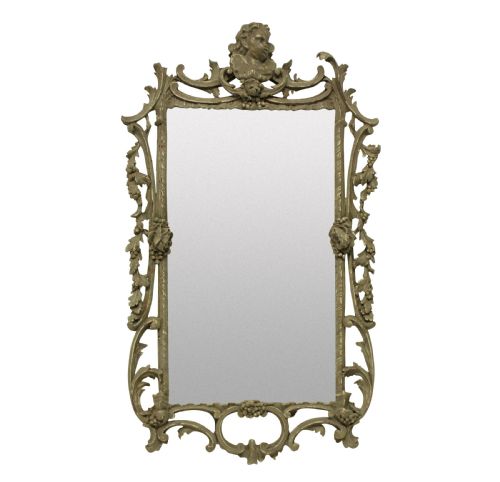
When searching for an english rococo mirror, buyers encounter grand overmantel glasses and smaller wall-hanging pieces spanning the Georgian era and later nineteenth-century revivals. The surviving selection heavily comprises nineteenth-century interpretations, from Victorian rococo revival pieces to Chinese Chippendale variants and Louis revival designs.
These items take the form of large overmantels with shaped or arched tops alongside wall mirrors in rectangular and oval formats. Original eighteenth-century Georgian examples appear alongside nineteenth-century pieces dating from eighteen-sixty onwards, running through to nineteen-thirty George III style items.
Materials and construction methods
Craftsmen built these frames using carved wood, frequently applying a layer of gesso to create smooth surfaces for gilding or painting. Carved pine and other timbers formed the structural core before artisans shaped the intricate C-scrolls and foliage typical of the style.
Decoration relied heavily on gold leaf, giltwood, and paint, often leaving surfaces with an original distressed finish. Mirror glass sits within these ornate frames, combining reflective plates with substantial wooden and gesso structures.
English Rococo Mirror Retail Price Guide 2026
Typical asking prices for english rococo mirror among the pieces listed under this phrase on Sellingantiques today, from the lower quarter to the upper quarter. They describe what is for sale here now, not the wider market.
One enthusiastic Victorian carver clearly lost track of time, packing so many C-scrolls into a single overmantel that the frame practically hums with nineteenth-century energy.
Distinctions in quality
Quality rests in the depth and crispness of the wood carving and gesso work, where superior examples display fluid, undercut scrolls rather than flat, mechanical moulding. The finesse of the original gilding or painted finish dictates the visual impact of the piece.
Proportion and scale also separate standard items from exceptional ones, particularly in large overmantels where the balance between the shaped top and the mirror plate requires precise joinery and handling.
John and William Linnell
The English Rococo Mirror Glossary
- Gesso
- A plaster-like mixture applied to wood frames to provide a smooth base for gilding or painting. It allowed carvers to achieve fine relief details before applying gold leaf.
- Giltwood
- Timber that has been covered with thin sheets of gold leaf. This finish produces a warm, reflective metallic sheen across the carved ornament.
- Overmantel mirror
- A large glass designed specifically to hang above a fireplace mantelpiece. These pieces often dominate a room through their grand proportions and shaped tops.
- Chippendale
- A style of English furniture and decoration inspired by the designs of Thomas Chippendale. It incorporates rococo, Gothic, and Chinese motifs into ornate wooden frames.
English Rococo Mirror: Frequently Asked Questions
Where should I hang an overmantel mirror?
These large glasses traditionally sit directly above a fireplace mantelpiece, anchoring the focal point of a reception room.
Alternatively, placing one on a main wall opposite a window reflects natural light and opens up the interior space.
How do I distinguish Georgian from Victorian pieces?
Eighteenth-century Georgian examples display the authentic hand-carved weight and patina of the original rococo period.
Nineteenth-century revival pieces from the Victorian era often feature heavier gesso application and distinct interpretations of Chippendale and Louis styles.
What is Chinese Chippendale style?
This design strand integrates oriental motifs, such as pagodas and exotic lattice work, into standard rococo frame structures.
It reflects the eighteenth-century fascination with Chinese aesthetics adapted through British craftsmanship.
How do I care for giltwood frames?
Dust the carved surfaces gently with a soft, dry brush to prevent dirt accumulation within the intricate gesso recesses.
Avoid liquid cleaners and moisture entirely, as water damages fragile gold leaf and underlying plaster layers.