



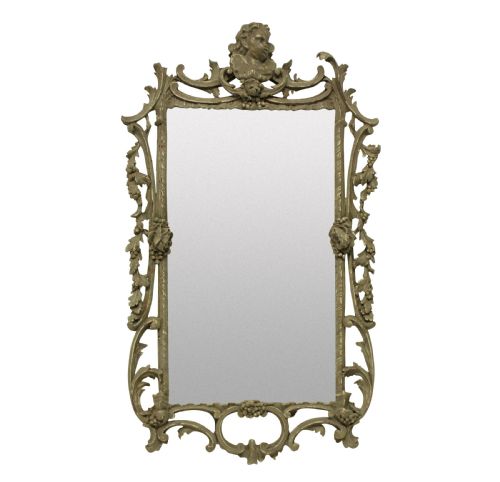


18th Century English Mirror
When you handle an 18th century english mirror, you touch a piece of period domestic craftsmanship designed to catch and throw candle light.
18th Century English Mirror
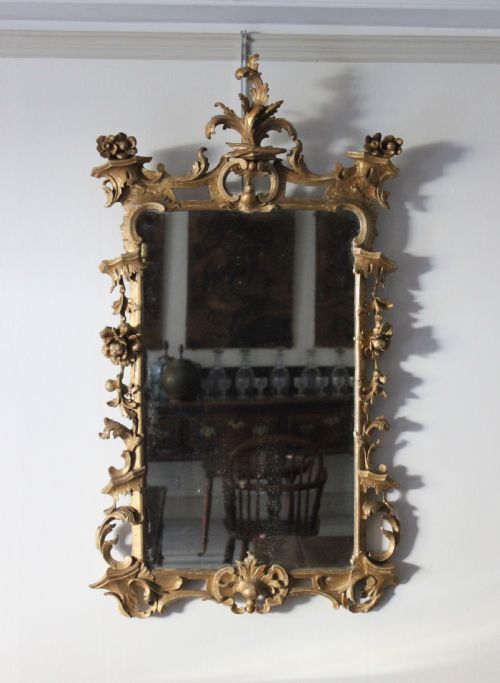
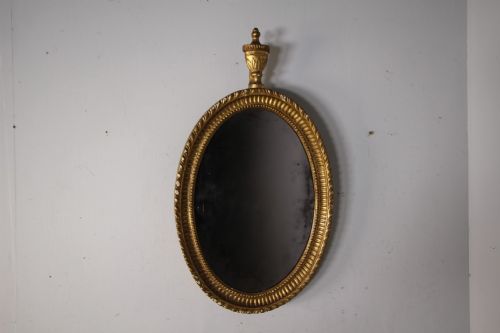
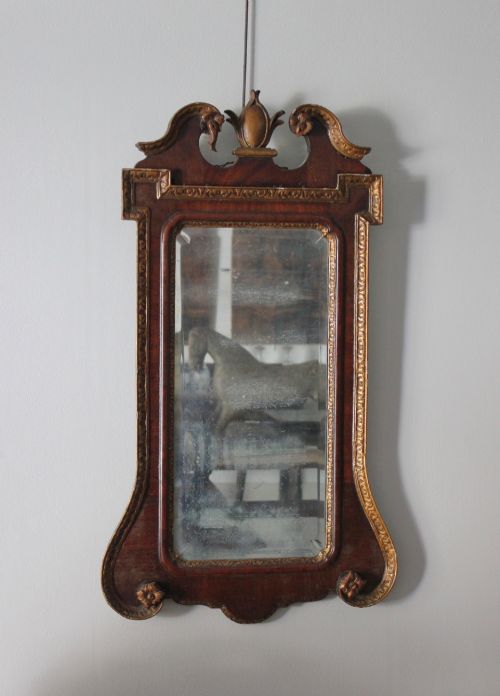
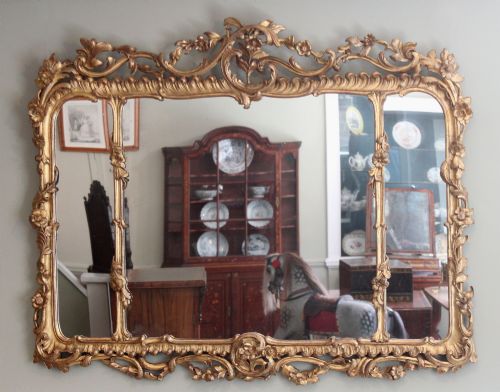
An 18th century english mirror encompasses wall-hanging plates, overmantles and dressing table glasses made during the Georgian eras. The domestic interiors of the period relied on these pieces to brighten wood-panelled rooms and reflect flickering candlelight.
The selection here ranges from compact toilet mirrors with box bases to large carved giltwood and mahogany wall plates. Walnut, mahogany, oak and laburnum oyster-cut frames appear alongside gilded gesso and giltwood constructions.
Stylistic influences span from Queen Anne and George I simplicity through to intricate Chippendale rococo and Adam neoclassical designs. Pieces span the 18th century alongside later revival interpretations from the 19th and 20th centuries.
How they were made
Makers constructed frames from solid native timbers including mahogany, walnut, oak and yew wood, often applying veneers and intricate carved details. Giltwood and gesso surfaces received layers of gold leaf over prepared wooden bases.
Reflective surfaces relied on early manufacturing techniques, frequently incorporating mercury plates or lead backing. Glass plates were bevelled by hand, setting them into rebated frames secured with wooden backs.
18th Century English Mirror Retail Price Guide 2026
Typical asking prices for 18th century english mirror among the pieces listed under this phrase on Sellingantiques today, from the lower quarter to the upper quarter. They describe what is for sale here now, not the wider market.
Some dressing mirrors include hidden secret drawers operated by sliding panels behind the main block feet.
What varies in quality
The sophistication of the hand-carved ornament dictates the distinction between standard provincial joinery and high-style metropolitan work. Crisp undercut foliage on giltwood or finely figured walnut veneers elevates a frame beyond basic production.
The originality and condition of the glass plate heavily influence the character of the piece. Surviving mercury plates with natural oxidisation and foxing retain a depth that replacement glass lacks.
The 18th Century English Mirror Glossary
- Giltwood
- Wood that has been carved and covered with thin gold leaf applied over a gesso ground. This finish provides the bright reflective quality seen on rococo and neoclassical frames.
- Mercury Plate
- A glass mirror made by coating the back with a tin-mercury amalgam. This historical technique produces a characteristic soft, mottled reflection.
- Pier Mirror
- A tall wall mirror designed to hang on the narrow pier of wall between windows. These pieces matched console tables and reflected light back into the centre of the room.
- Oyster Cut
- Veneer sliced transversely across small branches to reveal circular growth rings resembling oyster shells. This decorative technique appears on walnut and laburnum surfaces.
- Gesso
- A plaster-like material applied to wooden frames as a smooth base for gilding. Carvers cut fine details directly into this ground before applying gold leaf.
18th Century English Mirror: Frequently Asked Questions
How do I hang a heavy antique mirror?
Heavy frames require secure wall fixings distributed across the weight-bearing structure rather than relying solely on old brass rings. Professional installers use French cleats or straps attached to internal wooden framing.
Check the integrity of the original joints and backing boards before lifting the frame. Historic woods can be brittle, so support the base fully during placement.
Are these mirrors original to the 18th century?
The inventory includes period pieces made in the 18th century alongside later revival interpretations from the 19th and 20th centuries. Stylistic details, timber species and construction methods help distinguish the original Georgian items from later copies.
Examine the backboards, fixings and glass plate for signs of age. Secondary woods and hand-cut screws often provide clues to the manufacturing date.
What is a toilet mirror?
A toilet mirror is a small dressing glass mounted on a pivoting frame above a box base fitted with small drawers. These portable pieces stood on chests of drawers or dressing tables in bedrooms.
They provided a stable surface for personal grooming and morning preparation. The small drawers held cosmetics, pins and personal trinkets.
Why do some mirror plates look dark?
Older mercury and silvered plates degrade over time through a process called foxing, where moisture gets behind the backing. This creates dark spots, cloudiness and uneven reflectivity across the glass.
Many collectors value original plates with moderate foxing because it confirms the age of the glass. Replacements alter the historic character of the frame.