
Georgian Carved Gilt Mirror
A georgian carved gilt mirror brings rich gilded warmth and historic depth to an interior, combining classical design with reflective light.
Georgian Carved Gilt Mirror
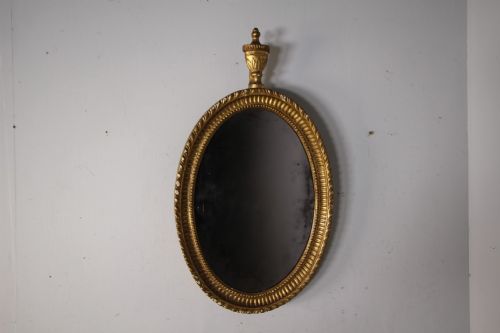
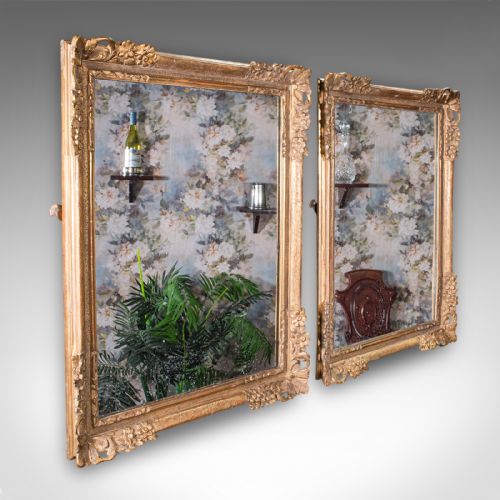
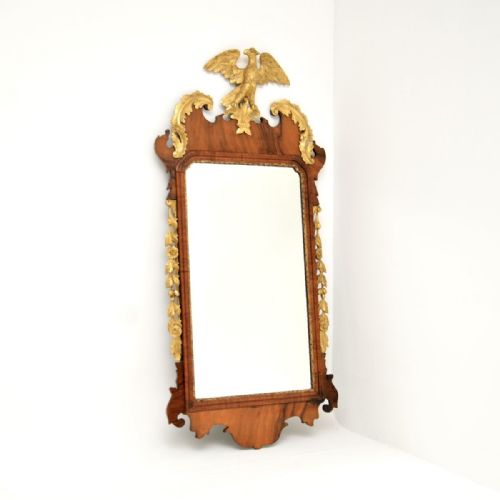
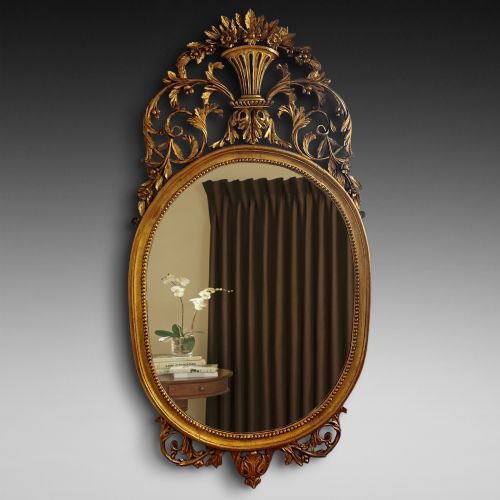
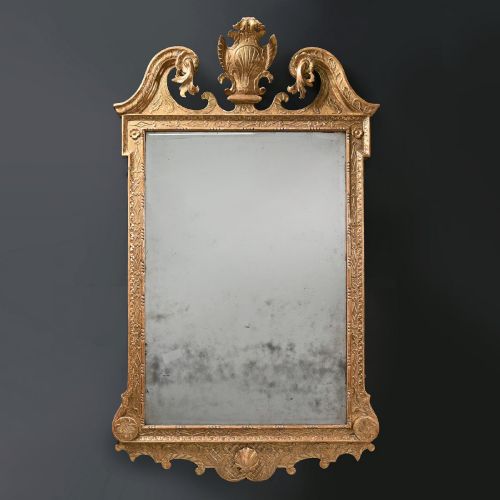
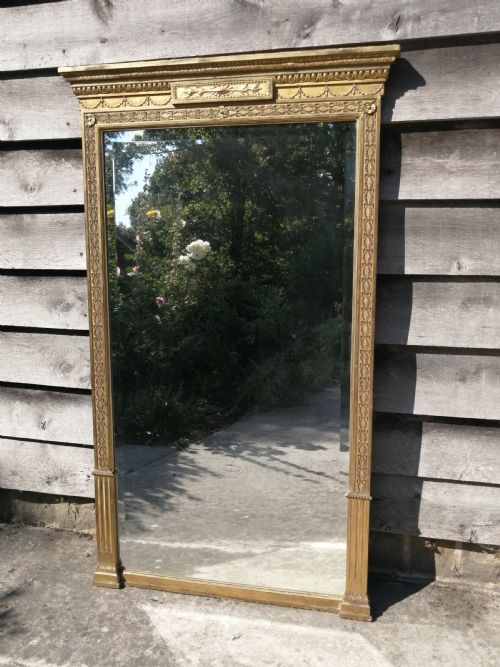
A georgian carved gilt mirror spans the eighteenth and early nineteenth centuries, taking forms such as oval wall glasses, rectangular pier mirrors, and circular convex styles. These pieces function as decorative focal points, often incorporating carved wooden frames finished with metallic leaf or gesso.
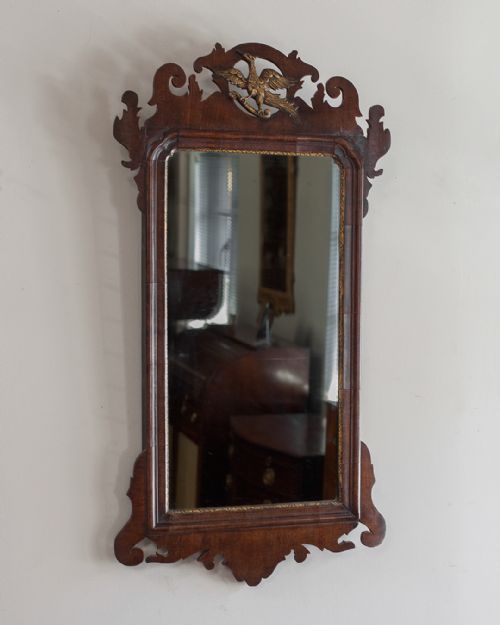
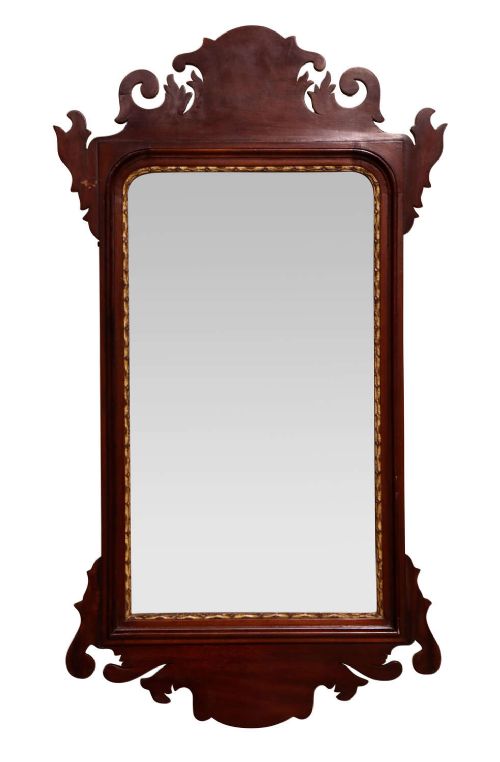
The materials recorded in the evidence encompass pine, mahogany, walnut, and ebonised wood, alongside traditional glass plates. Many items reflect distinct stylistic revivals and periods, ranging from George II and George III designs to Regency and Victorian interpretations.
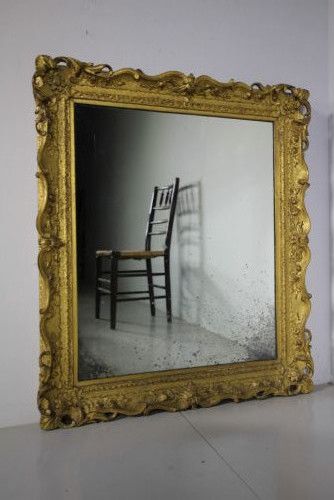
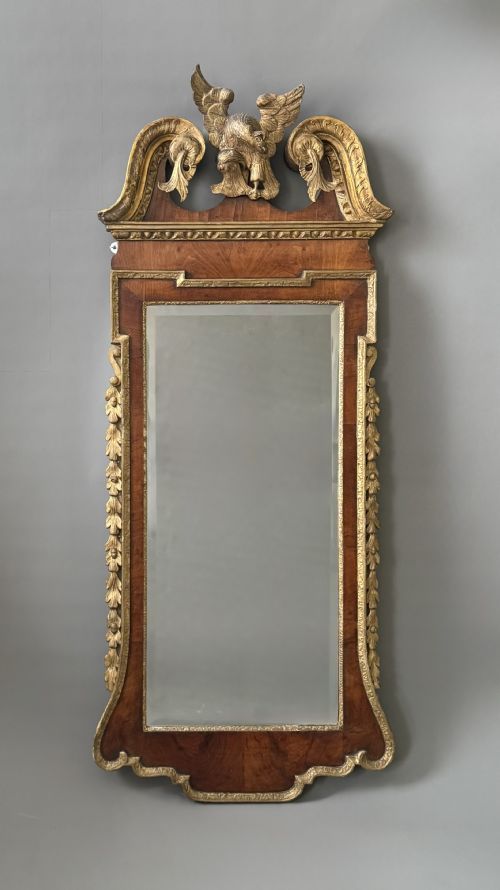
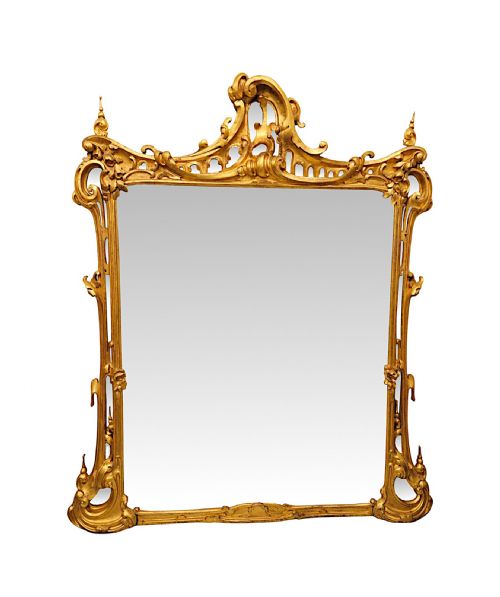
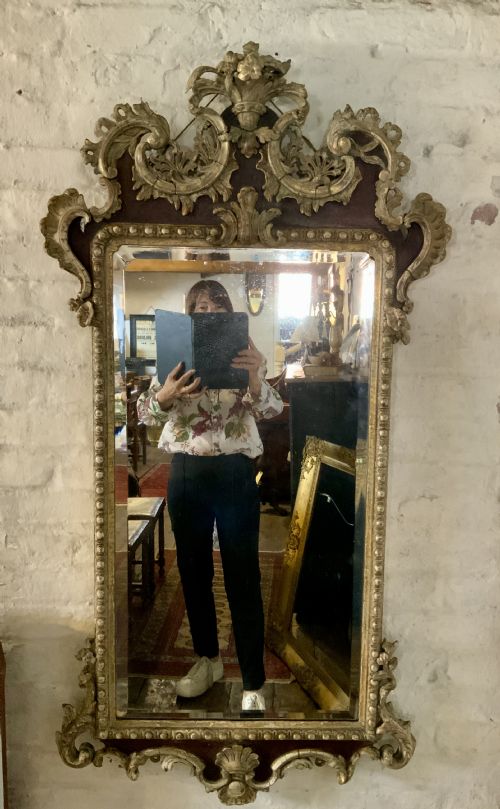
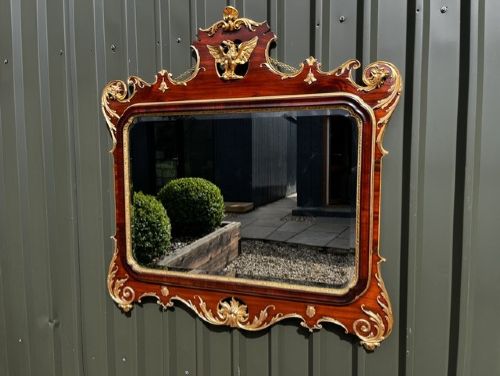
Buyers regularly encounter overmantel mirrors and pier mirrors designed to hang above mantelpieces or between windows. These formats vary from understated fretwork frames to elaborate rococo compositions adorned with birds and decorative masks.
How they were made
Frames are constructed from timbers such as mahogany, pine, and walnut, providing a stable foundation for intricate hand-carved ornamentation. Artisans applied layers of gesso to wooden substrates to create smooth surfaces for subsequent gilding.
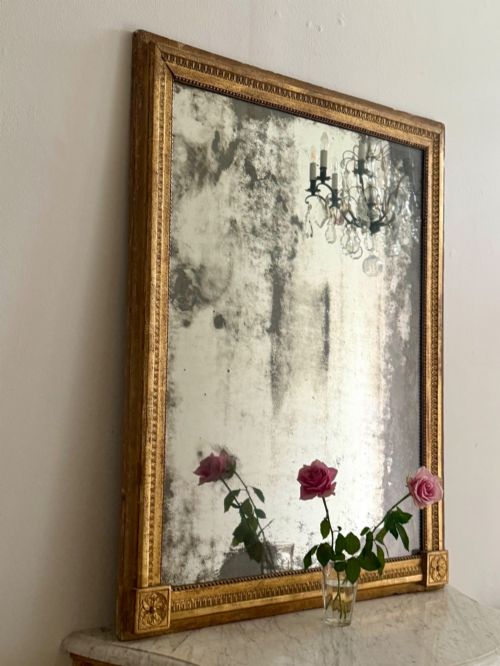
Gold leaf and liquid gilding finish the exterior surfaces, reflecting ambient light across the room. Early examples frequently utilise mercury glass plates, which develop natural foxing over time.
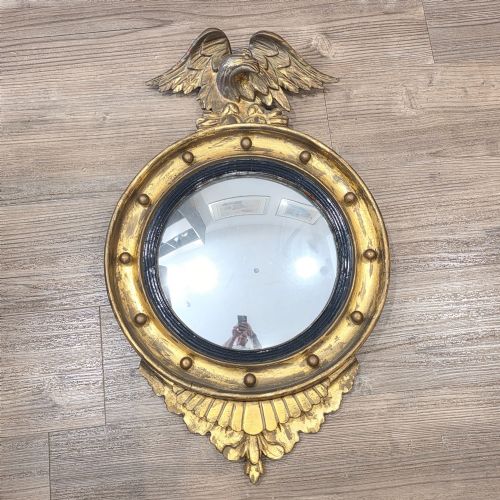
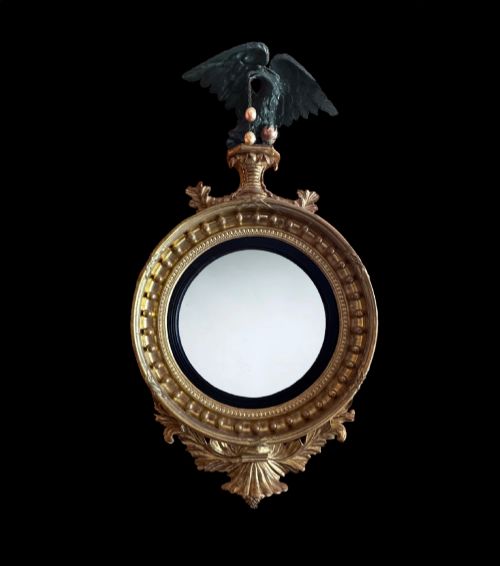
Spreading eagles frequently survey rooms from atop convex round mirrors.
What varies in quality
The crispness of the hand-carving distinguishes superior examples, where motifs like acanthus leaves and birds retain sharp relief. Finer pieces demonstrate careful proportion between the frame dimensions and the central glass plate.
The integrity of the original gilt surface and gesso foundation influences the character of the object. Surviving mercury glass plates and untouched backing boards add historical depth to a piece.
The Georgian Carved Gilt Mirror Glossary
- Gesso
- A prepared mixture of plaster of Paris and glue applied to wood frames before gilding. This smooth layer provides the base for intricate carved details.
- Giltwood
- Timber carved and subsequently covered with gold leaf or metallic powder. It forms the primary visual structure of these decorative mirrors.
- Pier mirror
- A tall vertical glass designed to hang on the wall space between two windows. These pieces often feature matching console tables.
- Convex mirror
- A round glass surface curving outward to provide a wide-angled panoramic reflection. They frequently incorporate eagle crests and candle arms.
- Parcel gilt
- A decorative technique where specific portions of a wooden frame receive gilding while other areas display natural timber grain such as mahogany or walnut.
Georgian Carved Gilt Mirror: Frequently Asked Questions
Where should I hang a convex mirror?
These round glasses work effectively in smaller reception rooms or hallways where they capture and distribute ambient light across the space. Their curved plates create a miniature panoramic view of the interior.
Position the glass at eye level to ensure proper balance with surrounding furniture. They pair well above low console tables or sideboards.
How do I identify a George III mirror?
Pieces from this period frequently display symmetrical neoclassical motifs, fretwork wooden frames, and carved mahogany or parcel gilt surfaces. The craftsmanship reflects refined proportions and balanced ornamentation.
Later Victorian revivals often emulate these eighteenth-century characteristics using similar timber and gilding methods. Examining the construction behind the frame helps clarify the manufacturing date.
What is foxed glass?
Foxed glass refers to the natural oxidation and spotting that develops on older mirrored plates over centuries. This mellowing process alters the reflective quality rather than structural integrity.
Many collectors value original mercury plates with foxing for the authentic historic character they impart. It distinguishes period glass from modern replacements.
How do overmantel mirrors differ from pier mirrors?
Overmantel mirrors are constructed in wide landscape formats specifically designed to fit above fireplace mantels. They anchor the central axis of a principal reception room.
Pier mirrors utilise taller, narrower proportions to fit between architectural openings. Both types employ carved giltwood frames suited to formal interiors.