




English River Landscape Painting
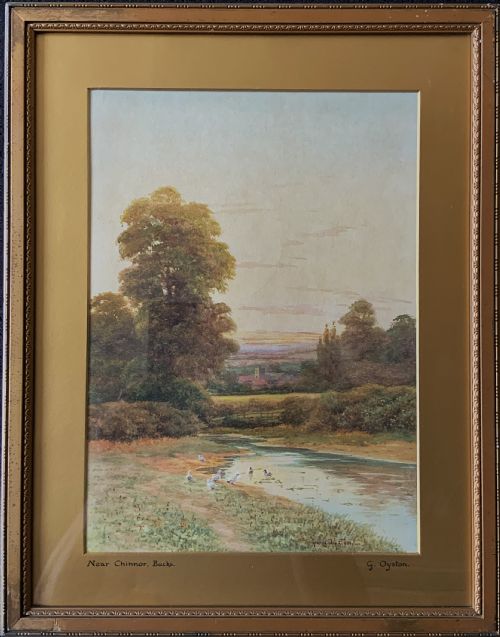
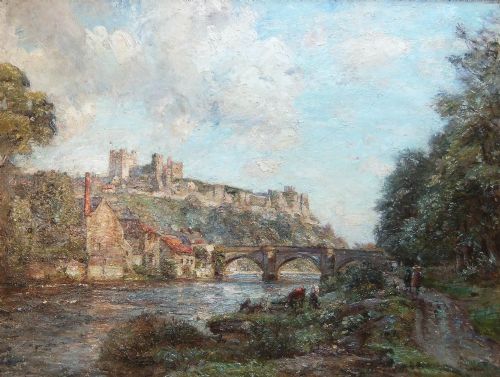
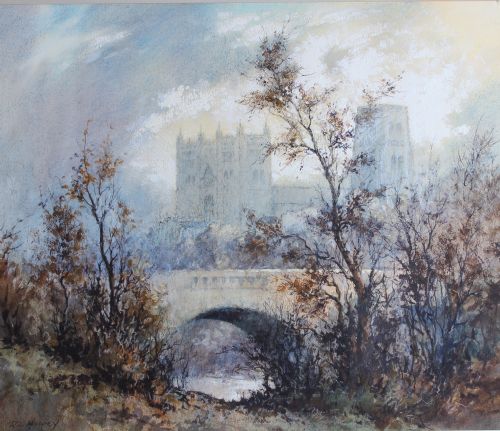
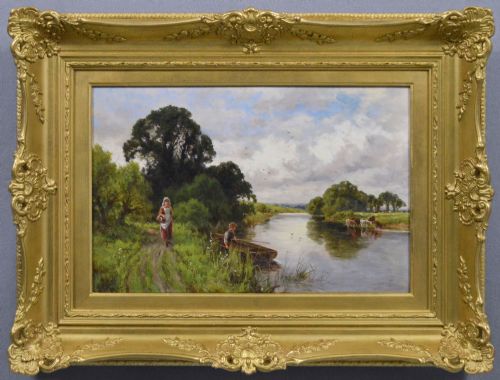
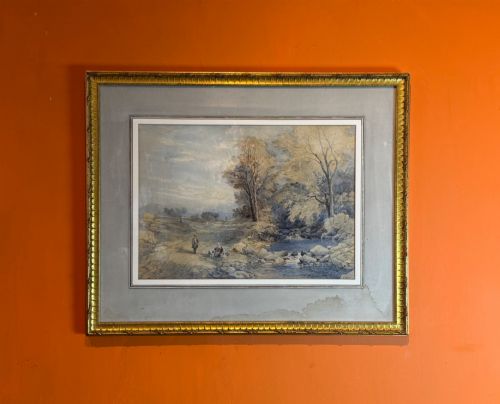
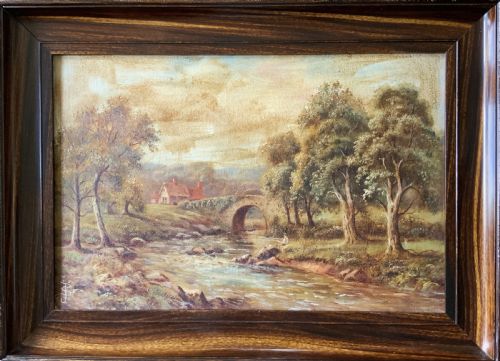
An english river landscape painting captures the quiet beauty of rural waterways through the delicate wash of watercolour or the rich texture of oil on canvas.
English River Landscape Painting
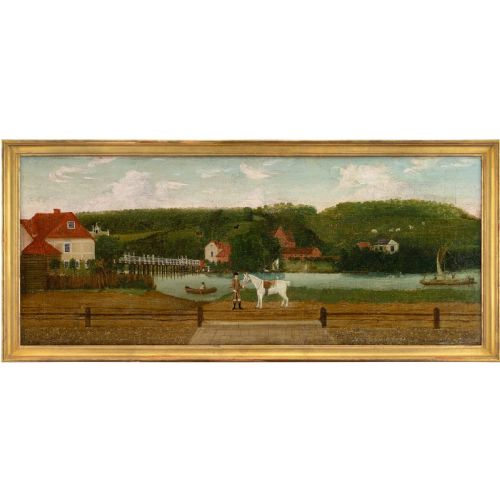
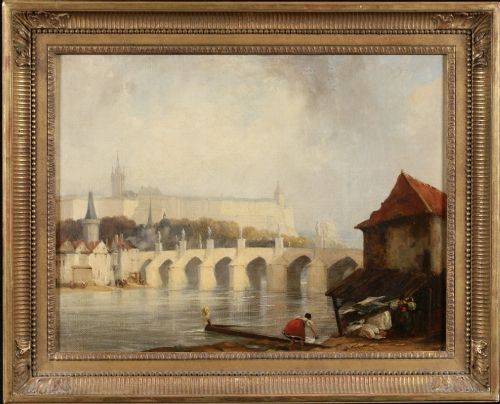
An english river landscape painting depicts natural waterways, bridges, mills and pastoral riverbanks across the British countryside. These works capture specific locations along notable rivers such as the Thames, Severn, and Wharfe.
Most pieces encountered on this page originate from the nineteenth and early twentieth centuries, spanning Victorian, Edwardian and British Impressionism styles. Buyers frequently select these artworks to bring historical charm and tranquil pastoral scenes into domestic interiors.
The selections include both watercolours on paper and oils on canvas, panel or board, produced by named artists and regional British schools.
How They Were Made
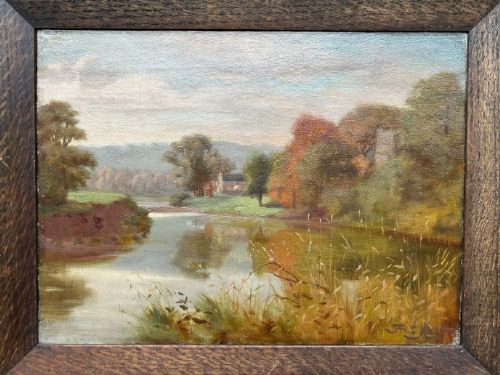
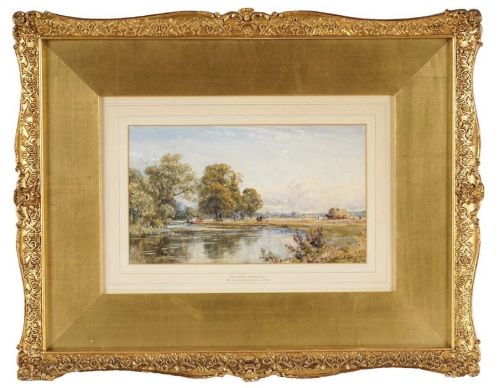
Artists painted these scenes using oil paint applied to stretched canvas, wooden panels, or card, alongside delicate watercolours worked onto heavy paper substrates. Oil mediums allowed for deep, layered textures in depicting foliage and water, while watercolour washes achieved luminous atmospheric skies and translucent river surfaces.
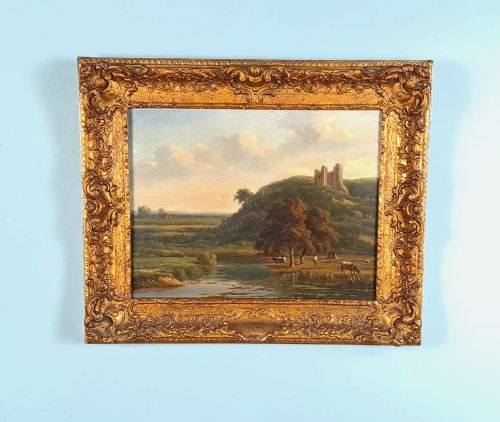
Many works were finished in period wooden and giltwood frames that complemented the tonal harmony of the composition.
Several paintings record cows stubbornly refusing to move out of the river painter's preferred line of sight.
What Varies in Quality
Quality rests upon the artist's command of light, atmospheric depth, and the natural movement of water rather than mere scale or subject matter. Superior works demonstrate assured brushwork or precise watercolour control, capturing the distinct light of specific regional counties.
Condition of the underlying paper or canvas, stability of the paint layers, and the preservation of original framing contribute significantly to a piece's standing.
George Graham·Alfred Young Nutt·Frederick Marriott·Robert Thorne Waite·George Oyston·Herbert Royle·Robert Leslie Howey·Florence Adelina Hess·T C Hofland·Henry H Parker·David Cox·Sydney Yates Johnson·John Horace Hooper·Hubert Wellington·Alfred George Morgan·Sir David Murray·Thomas Baker·Arthur Reginald Smith·John Constable·Henry John Kinnaird·William Sydney Cooper·Thomas Hunn·J Phipps·David Cox Jnr·George Vicat Cole
The English River Landscape Painting Glossary
- Watercolour
- A painting method where fine pigment is suspended in a water-soluble binder and applied to paper. It creates luminous, transparent washes ideal for capturing river light.
- Oil on Canvas
- Pigment mixed with drying oil applied to a woven fabric stretched across a wooden frame. This technique permits rich texturing and deep colour saturation.
- Giltwood
- Wood carved and coated with a thin layer of gold leaf or metallic gilt powder. It is commonly found on traditional frames enclosing nineteenth-century art.
- British Impressionism
- A late nineteenth and early twentieth-century painting style focusing on loose brushwork and natural light. Artists sought to capture fleeting outdoor moments along rivers and coastlines.
- Provenance
- The documented history of ownership surrounding an artwork. It helps verify the authenticity and origin of historical paintings.
English River Landscape Painting: Frequently Asked Questions
What subjects appear in these paintings?
These works display rural rivers, bridges, mills, cattle grazing on banks, and architectural landmarks near water. Common settings include identifiable locations along the Thames, Severn, and Yorkshire rivers.
Scenes range from calm morning atmospheres to wooded streams and pastoral valleys depicted across different seasons.
How do I care for antique watercolours?
Watercolours require protection from direct sunlight to prevent the fading of delicate pigments on paper. Framing behind conservation glass helps block ultraviolet light and prevents moisture damage.
Keep paintings away from damp walls and extreme temperature fluctuations to preserve the integrity of the paper and mount.
How can I tell oils from watercolours?
Oil paintings feature textured, opaque paint layers applied to canvas, wood panels, or board, often possessing a distinct sheen. Watercolours present a flat, translucent finish on paper where the underlying texture of the sheet remains visible beneath thin pigment washes.
Oils are traditionally displayed without glass protection, whereas watercolours require glazing.
Where were these artists active?
The artists worked across various English counties, capturing rural scenery in Yorkshire, Oxfordshire, Warwickshire, and along the Thames Valley. Many painted en plein air to record the specific light and topography of regional waterways.
Their outputs reflect both local British school traditions and broader movements like Impressionism.