


Victorian Paper Watercolour Painting
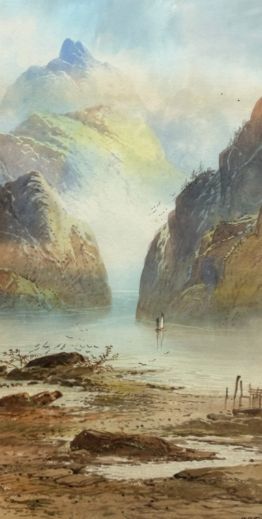
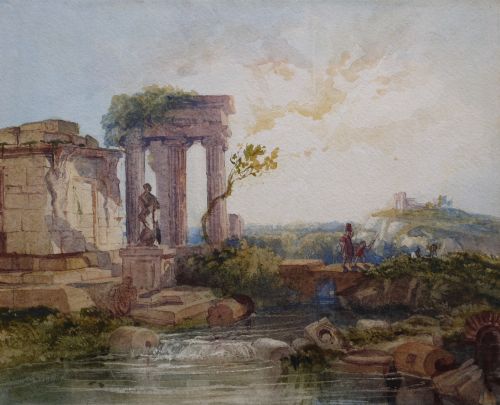
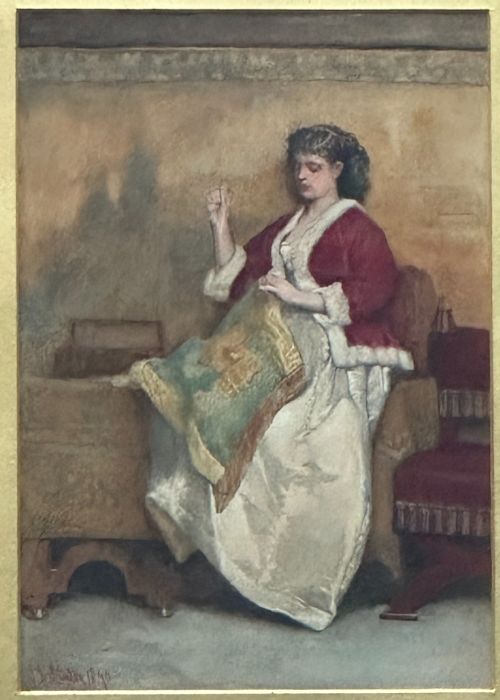
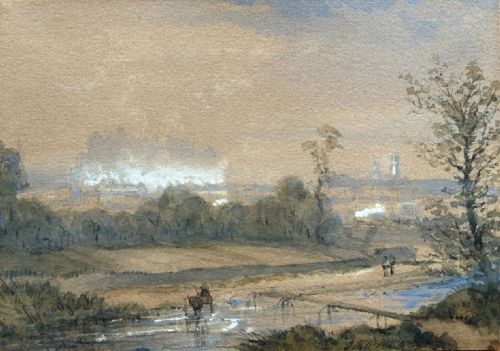
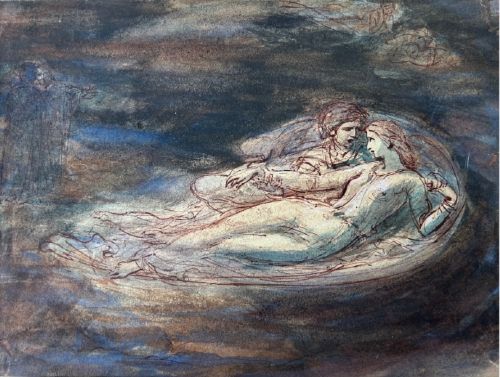
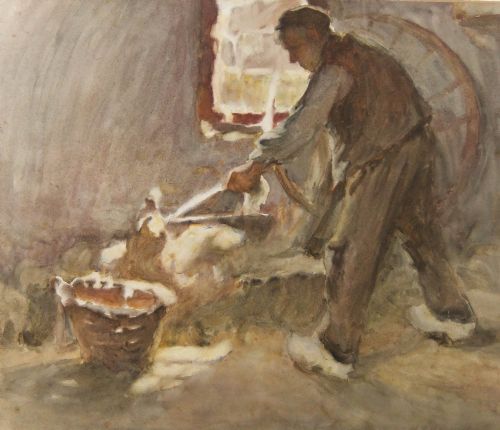
A victorian paper watercolour painting captures the changing light and daily life of the nineteenth century with immediate, fluid brushwork.
Victorian Paper Watercolour Painting
When you search for a victorian paper watercolour painting, you encounter works spanning the nineteenth century and the early years of the twentieth century, produced during distinct artistic movements.
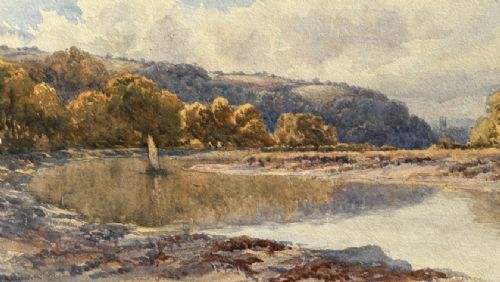
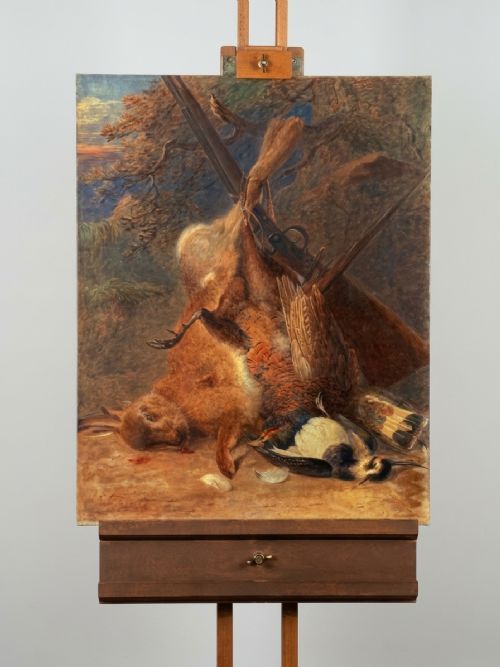
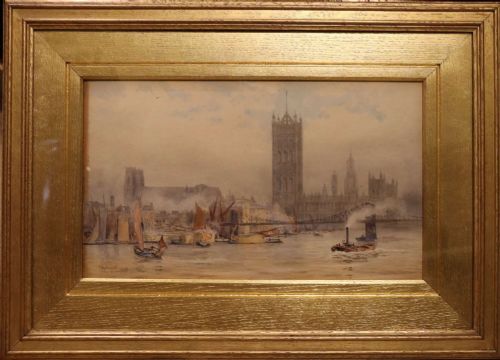
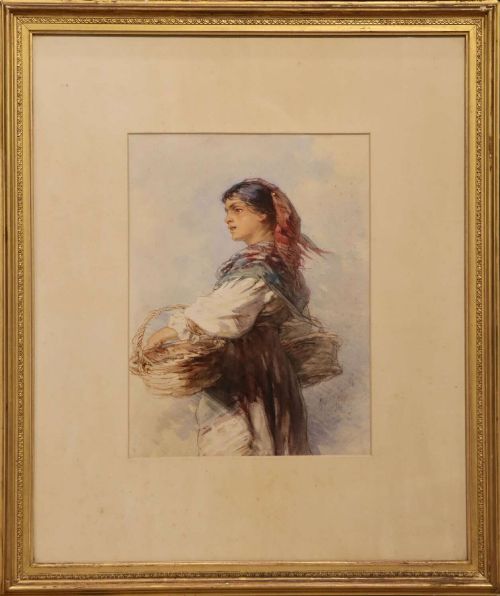
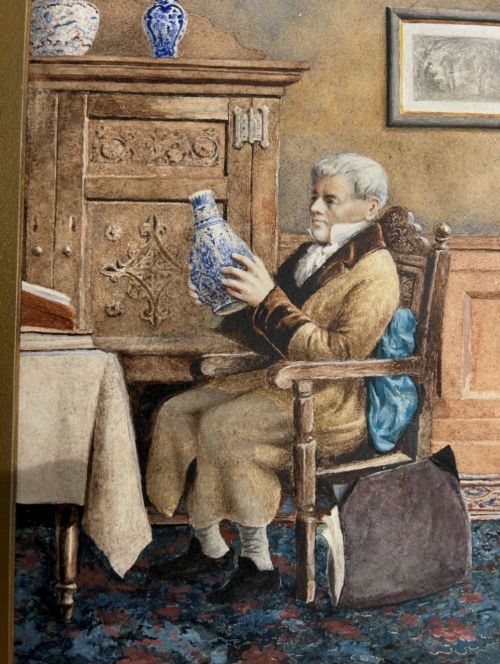
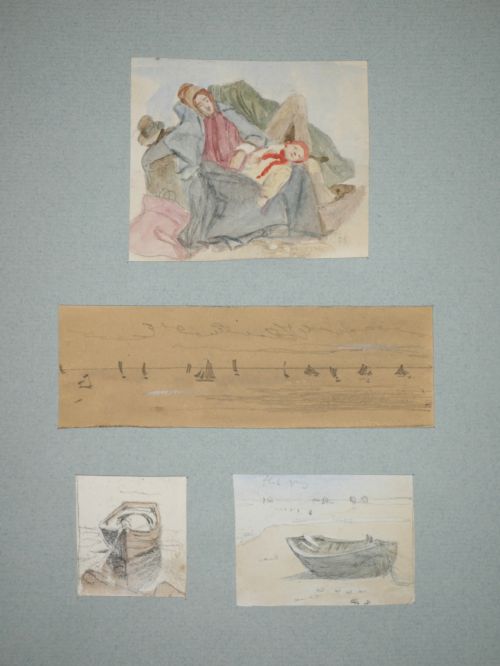
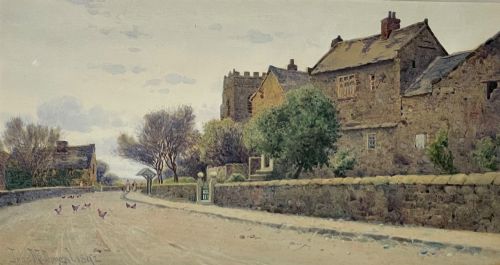
The selections on this page range from intimate portrait sketches and detailed genre scenes to expansive marine seascapes and pastoral landscapes.
Artists of the period recorded domestic interiors, coastal harbours, and travels abroad, utilising paper as the primary support for their fluid pigment.
Materials and application
Pigments were mixed with water and applied across sheets of paper, sometimes enhanced with bodycolour, gouache, or ink to build opacity and sharp detail.
Many surviving examples retain their original wooden frames and protective glass, preserving the delicate surface layers from atmospheric moisture.
The listings span the nineteenth century up to 1910, featuring British impressionist, pre-raphaelite, and orientalist styles.
Differentiating quality
Superior execution shows in the surety of the brushstroke, the control of washes, and the artist's ability to capture natural light without overworking the pigment.
The depth of composition and the handling of perspective elevate certain landscapes and figure studies far above standard topographical records.
George Sydney Shepherd·James Orrock·William Henry Earp·Sir James Dromgole Linton·John R Prentice·Henry Silkstone Hopwood·Hector Caffieri·Carl Haag·Thomas Cooper Moore·Philip Richard Morris·Cornelius Pearson·Edwin Lord Weeks·Filipo Indoni
The Victorian Paper Watercolour Painting Glossary
- Watercolour
- A painting method in which the paints are made of pigments suspended in a water-based solution. It relies on the white of the paper to provide luminosity through translucent washes.
- Bodycolour
- Watercolour paint mixed with a white pigment to make it opaque. Artists used this to introduce highlights and solid areas of colour.
- Gouache
- A water-based paint consisting of pigment and other inert materials designed to be opaque. It is frequently found combined with traditional transparent watercolour in nineteenth-century works.
- Genre painting
- The pictorial representation of scenes from everyday life, typically involving ordinary people in domestic or public settings. These works offer social insight into the period.
Victorian Paper Watercolour Painting: Frequently Asked Questions
How should I hang these watercolours?
Keep them away from direct sunlight to prevent the pigments from fading over time. UV-filtering glass provides an extra layer of protection for the paper.
Ensure they are displayed in rooms with stable humidity levels to protect both the paper support and the wooden frame.
Are these works signed?
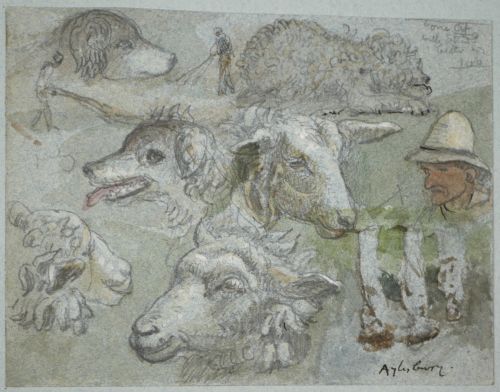
Many examples bear the artist's signature or monogram, often located discreetly in a lower corner. Some pieces also feature contemporary inscriptions on the reverse.
Unsigned works are frequently attributed through stylistic comparison and period records.
What subjects are most common?
Landscapes and coastal marine scenes dominate the output of nineteenth-century watercolourists. Artists frequently painted British and European rural views as well as bustling harbours.
Figure studies, domestic genre scenes, and architectural views also feature prominently in the surviving output.
How do I identify the period?
Stylistic clues such as Pre-Raphaelite detail, Impressionist brushwork, or Orientalist subject matter help narrow down the date. Clothing styles and architectural details in the image provide further context.
Framing materials and backing papers often offer additional chronological evidence.