

Framed 19th Century Painting
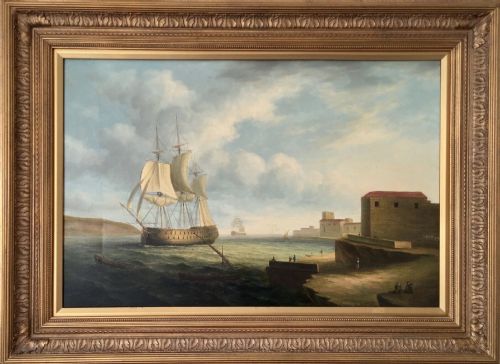
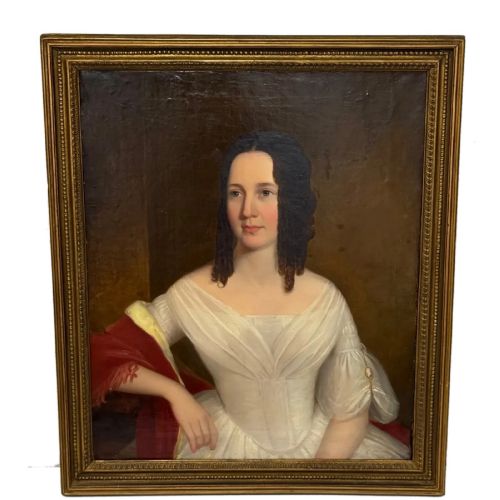
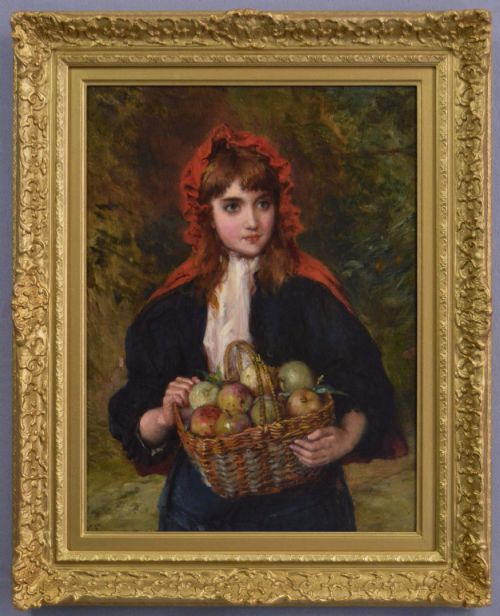
Framed 19th century painting brings together centuries of portraiture, landscape, and maritime scenes encased in period woodwork.
Framed 19th Century Painting
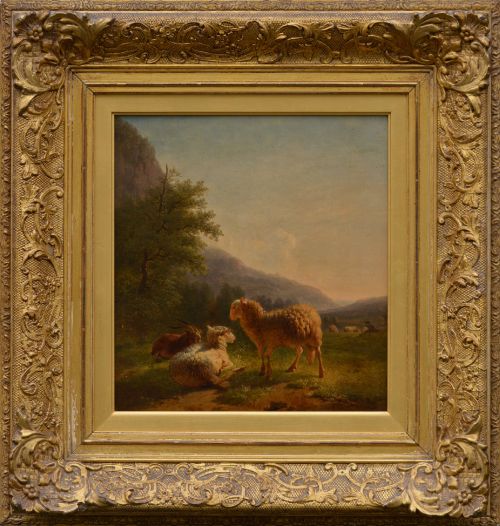
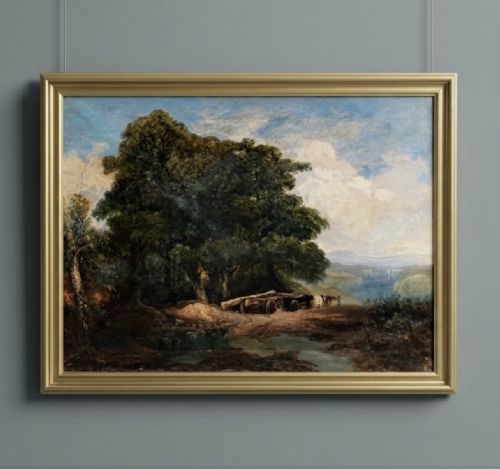
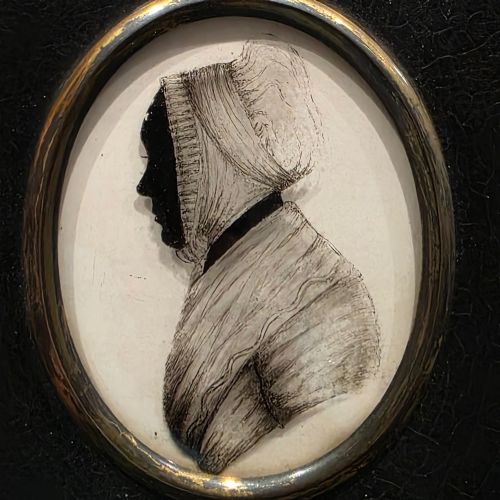
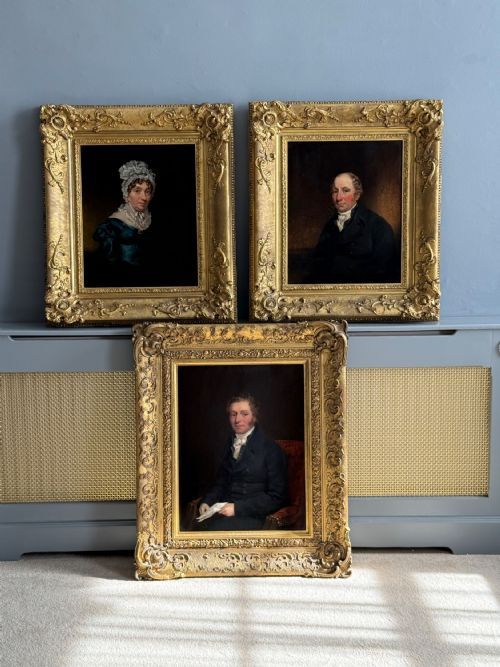
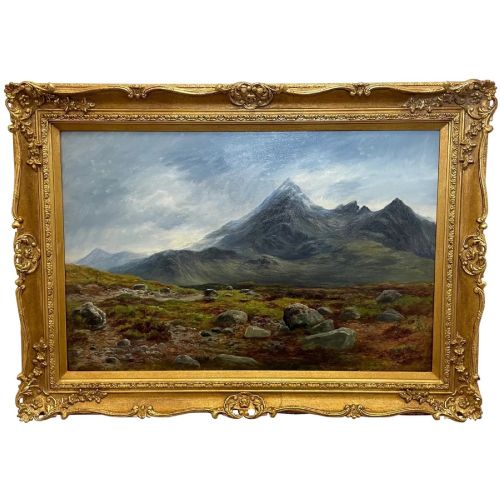
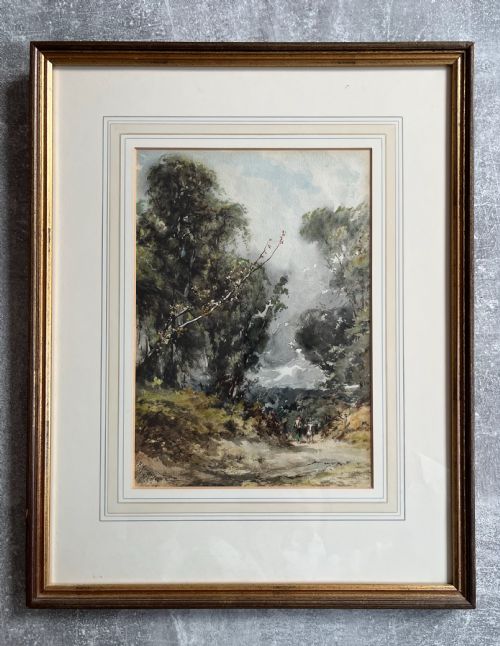
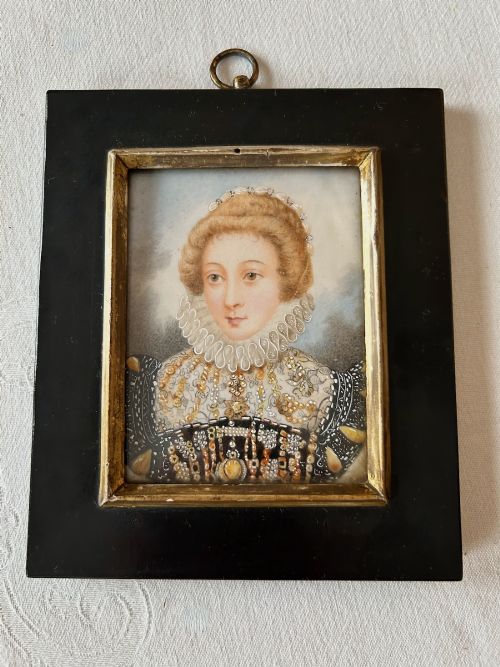
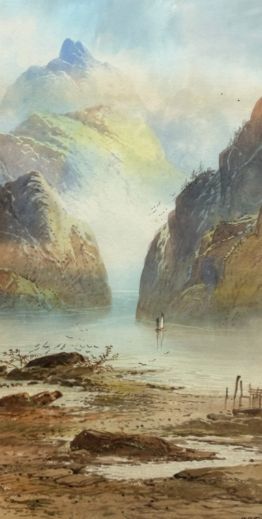
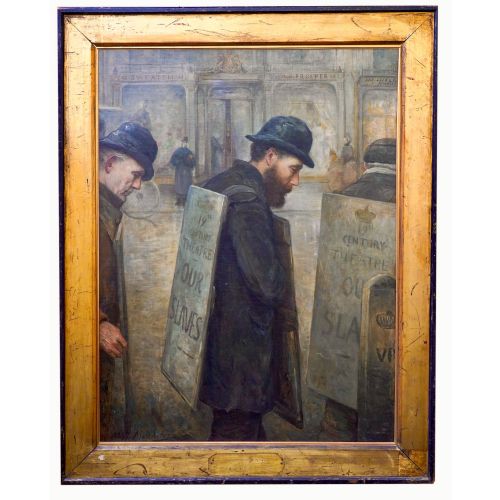
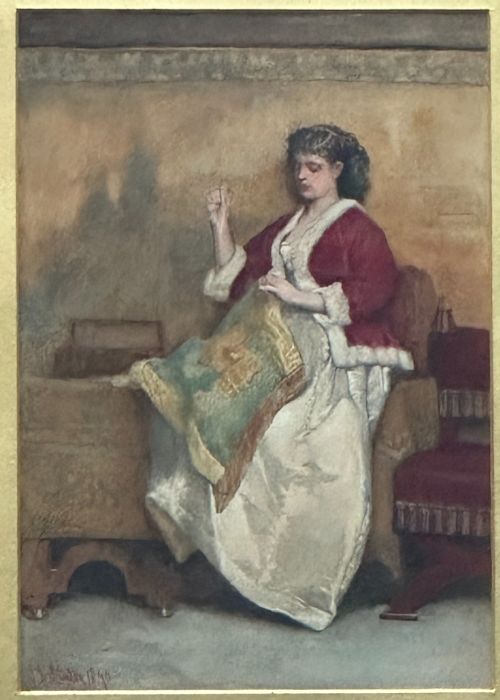
A framed 19th century painting encompasses oil paintings on canvas, wood panels, and paper watercolours produced during the Victorian, Regency, and Edwardian eras. Buyers encounter varied subjects ranging from romantic Scottish landscapes and coastal fishing boats to formal portrait miniatures and social history scenes.
The works span British and continental schools, including specific regional expressions like Scottish landscape painting and French school compositions. Domestic animals, village views, and architectural studies frequently appear alongside elite portraiture.
Surviving examples retain original or period-appropriate frames, often in giltwood, which complement the scale and medium of the artwork.
How They Were Made
Artists applied oil paint to stretched canvas, wooden panels, or paper boards, often employing preparatory sketches in pencil or wash before building up pigment layers. Watercolours utilised gum arabic binders on paper sheets, sometimes mounted behind protective glass within decorative wall surrounds.
Makers housed these works in timber frames, frequently carved from wood and finished with applied gesso and gilding to create reflective giltwood borders.
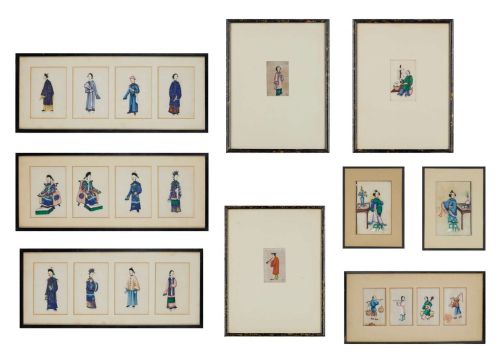
Listings feature watercolours on paper alongside oil paintings on canvas and wood panels spanning the Regency to Edwardian eras.
What Varies in Quality
Brushwork precision and anatomical accuracy separate master compositions from naive regional output, demonstrating the artist's command over light, shadow, and perspective. The depth of the pigment layers and the preservation of the original surface texture dictate visual impact.
Frame construction also varies, with hand-carved giltwood mouldings representing superior craftsmanship compared to simpler, later replacements.
William Oliver·Eugène Verboeckhoven·Richard Sebastian Bond·Joseph Clover·William Beattie-Brown·George Fotherly Hargitt·Thomas Miles Richardson Jnr·James Orrock·Henri Fradelle·William Henry Earp·Felix Stone Moscheles·Sir James Dromgole Linton·Valentine T. Garland·John Maler Collier·Dumini Leopoldo·Frederick Marriott·John Horace Hooper·William McAlpine·Reginald Arthur Borstel·William Joseph Shayer Senior·John McDougal·Alfred Fontville de Breanski Jr·Thomas Bush Hardy·George Marks·Franklin D. Briscoe
The Framed 19th Century Painting Glossary
- Oil on Canvas
- Pigment mixed with drying oil applied to a woven fabric support. This combination allowed artists to blend tones smoothly and rework passages over extended periods.
- Giltwood
- Wood carved and coated with a thin layer of gold leaf or metallic powder. It provided ornate, reflective borders for significant artworks.
- Portrait Miniature
- A small-scale painting executed with fine detail on media such as vellum, card, or ivory. These personal items were often housed in protective cases or lockets.
- Watercolour Painting
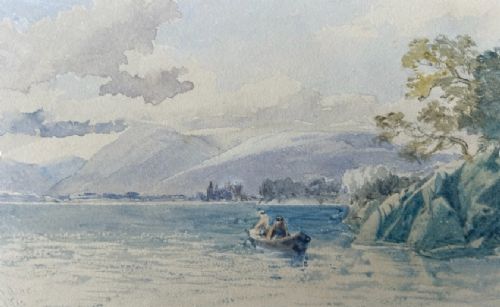
- Pigments suspended in a water-soluble vehicle applied to paper. It yielded translucent washes favoured for topographical and landscape sketches.
- Panel Painting
- Art executed on a flat wooden support rather than canvas. Oak, mahogany, and softwood boards served as rigid foundations for earlier compositions.
Framed 19th Century Painting: Frequently Asked Questions
How do I clean a framed 19th century painting?
Dust surfaces gently with a soft, dry brush, avoiding moisture or chemical cleaners on both canvas and frame.
Professional conservators should handle deeper cleaning or varnish removal to prevent damaging the underlying pigment.
Are these paintings usually signed by the artist?
Many works bear signatures, monograms, or studio inscriptions, while others remain entirely unsigned or attributed to specific schools.
Unsigned pieces often rely on style, subject matter, and materials to suggest a period or regional origin.
What framing is typical for these artworks?
Giltwood frames with moulded plaster ornamentation dominate the period, reflecting the decorative tastes of the nineteenth century.
Simpler wooden mouldings also occur, particularly on provincial watercolours and panel works.
How do I identify the subject of a portrait?
Inscriptions on the reverse, accompanying documentation, or distinctive clothing styles often provide clues to the sitter's identity and status.
Uniforms, specific architecture, and regional landscapes help narrow down the date and geographic context.