






English Restoration Painting
An english restoration painting captures the aristocracy and prominent figures of the late seventeenth century through formal portraiture.
English Restoration Painting
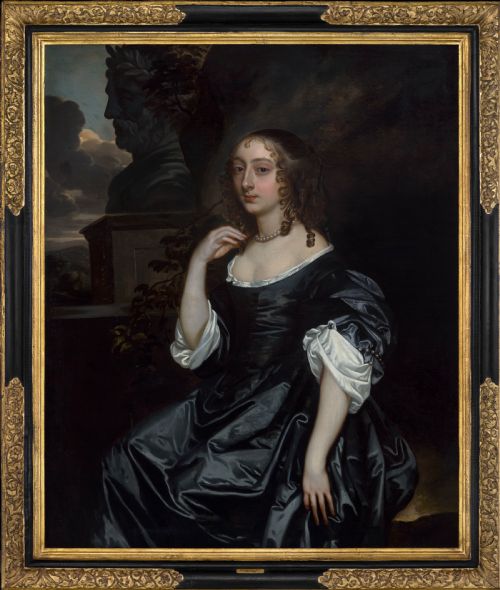
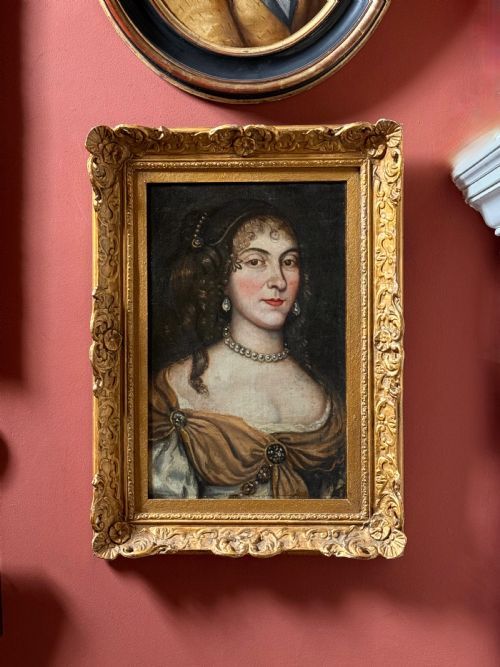
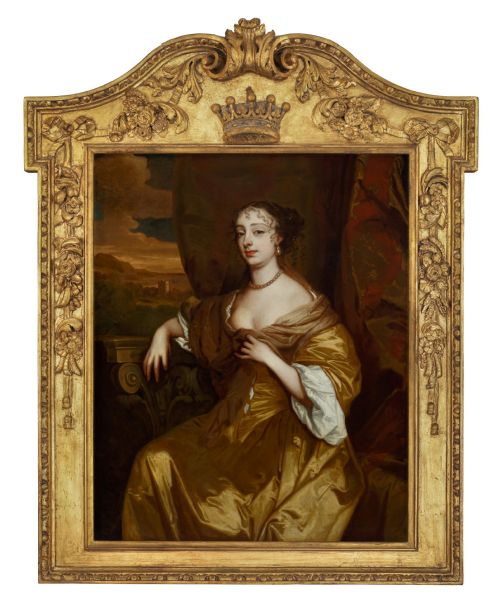
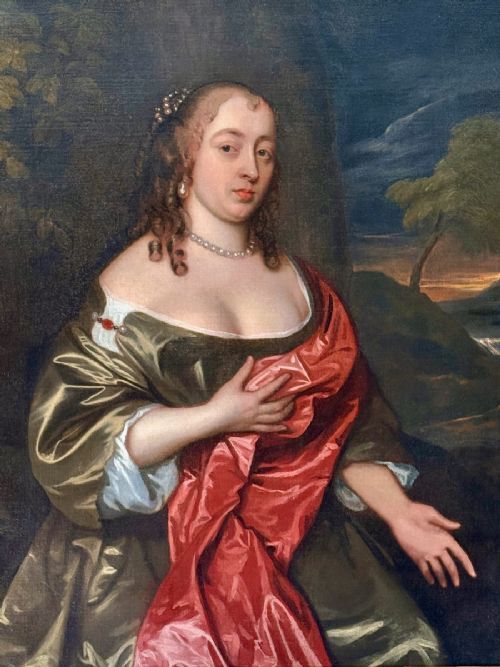
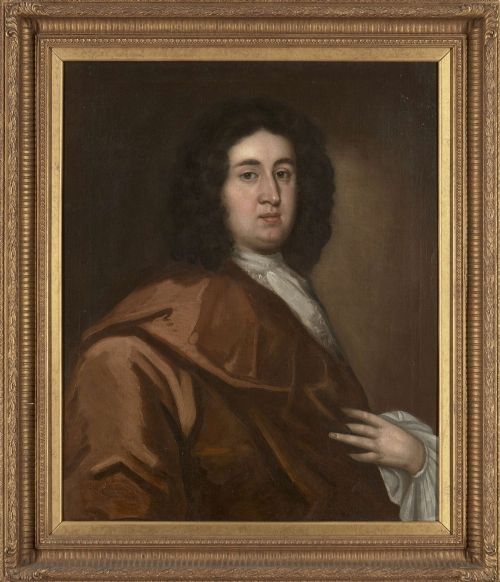
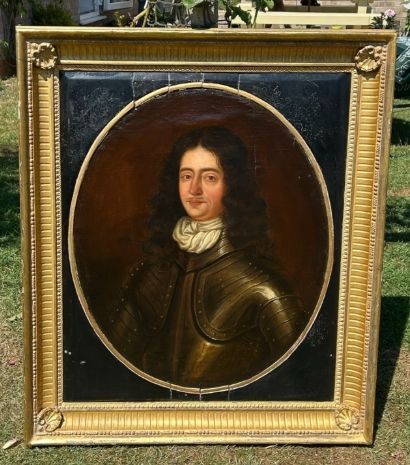
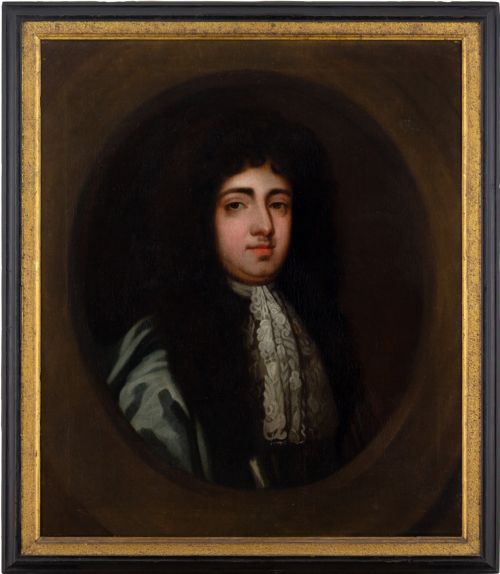
When searching for an english restoration painting, buyers encounter oil on canvas portraits depicting noblewomen, gentlemen, judges, and military commanders from the Stuart period and the late seventeenth century. These works frequently record figures associated with the court and landed gentry following the restoration of the monarchy.
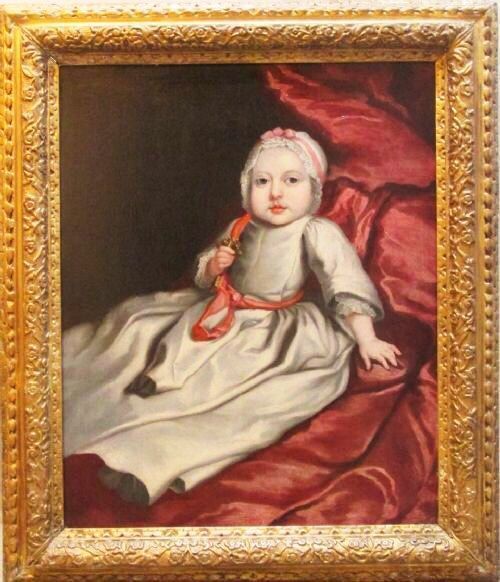
The predominant format on this page is the oil painting on canvas, often presented in period frames of giltwood or carved wood. Subjects range from bust-length studies to half-length portraits featuring elaborate costume, armour, or pastoral settings.
Attributions often link these pieces to prominent studios and circles associated with court painters of the era. Works trace lineages from individual masters to their followers and regional British schools.
Materials and technique
These works rely primarily on oil pigments applied to stretched canvas surfaces, utilising traditional layering methods common in seventeenth-century European workshops. Painters built up flesh tones and drapery through successive glazes to achieve depth and luminosity in fabrics such as silk.
Surviving canvases are frequently housed in their original or period-appropriate frames constructed from wood, embellished with gold leaf, and carved in baroque and restoration styles. The physical structure of the stretcher bars and the weave of the canvas provide primary indicators of period authenticity.
Listings feature oil on canvas paintings spanning the seventeenth century, incorporating baroque styles and framed in giltwood.
Defining quality in seventeenth-century portraiture
The preservation of the original canvas surface, minimal overpainting, and the presence of a contemporary carved giltwood frame significantly elevate the standing of a piece within this category.
Sir Peter Lely·Mary Beale·John Michael Wright·John Closterman·Godfrey Kneller
The English Restoration Painting Glossary
- Baroque
- A style of European art architecture and music of the 17th and 18th centuries characterised by ornate detail and dramatic movement. In painting this translates to dynamic drapery and intense play of light and shadow.
- Cavalier
- A supporter of King Charles I during the English Civil War. In portraiture this term often describes male subjects depicted with long hair and contemporary military attire.
- Studio of
- A designation indicating a work produced under the direct supervision or within the workshop of a master painter. These pieces often replicate successful compositions by the primary artist.
- Giltwood
- Wood that has been covered with a thin layer of gold leaf or powder. Period frames utilise this technique to create a reflective metallic finish suited to baroque interiors.
- Circle of
- An art historical term denoting an artist working closely in the style and during the lifetime of a master. It implies a distinct connection to the primary workshop without direct attribution.
English Restoration Painting: Frequently Asked Questions
How can I date an english restoration painting?
Dating relies on stylistic clues such as the cut of the clothing, the presence of specific lace collars, and recorded wig styles popular during the reigns of Charles II and James II.
Physical inspection of the canvas weave, stretcher construction, and nail types also assists in confirming a seventeenth-century origin.
What is the difference between studio work and a direct painting?
Direct works are executed entirely by the named master, whereas studio pieces involve assistants working under supervision to replicate popular compositions.
Both categories date to the same period, but master-signed works carry higher recognition among collectors.
How should I care for an oil painting on canvas?
Keep the artwork away from direct sunlight, heating vents, and damp environments to prevent the canvas from sagging and the oil paint from cracking.
Dust the surface gently with a soft dry brush and avoid using liquid cleaners on the paint or the giltwood frame.