



Noblewoman Canvas Art
Noblewoman canvas art brings centuries of portraiture into a room, offering grand historic presence through layered oils and timber frames.
Noblewoman Canvas Art
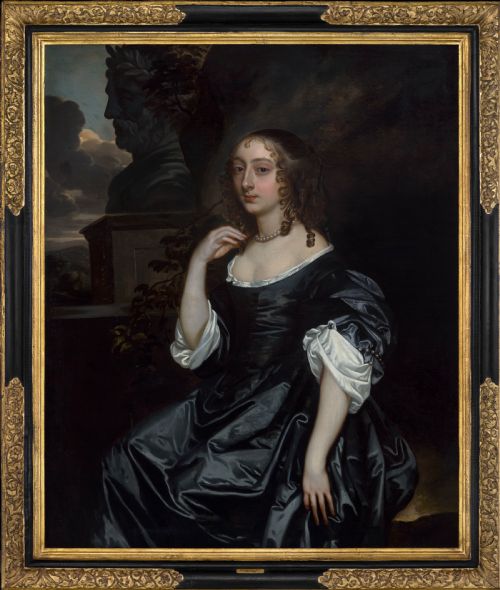
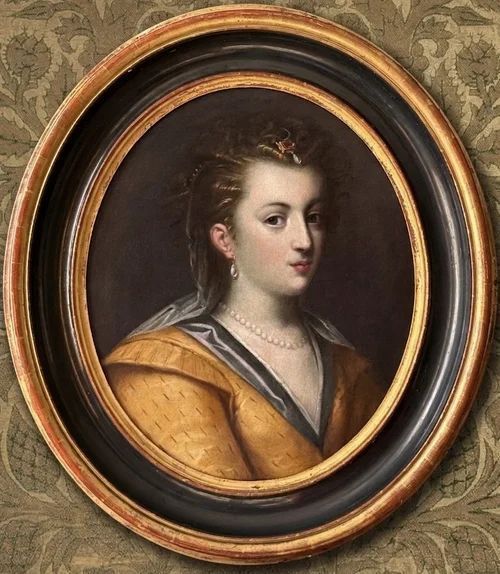
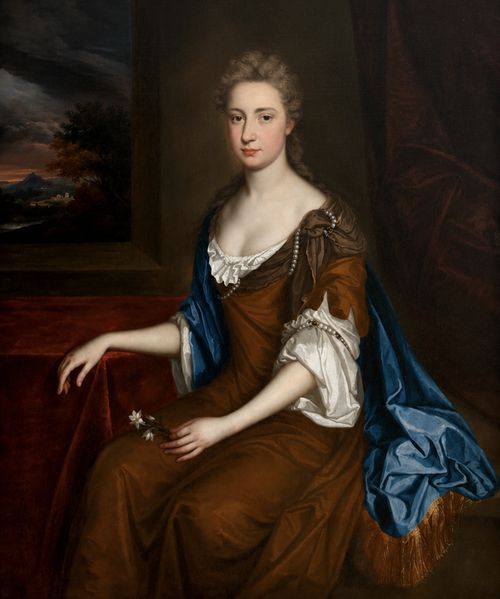
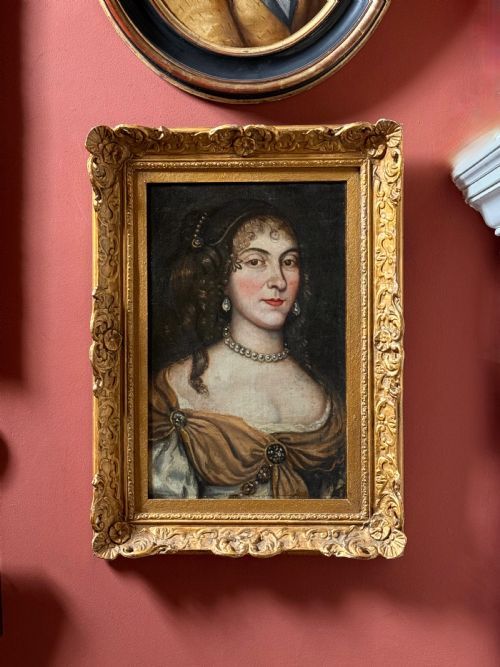
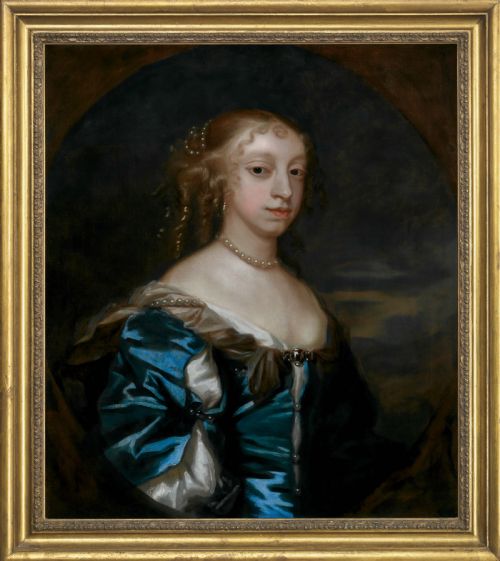
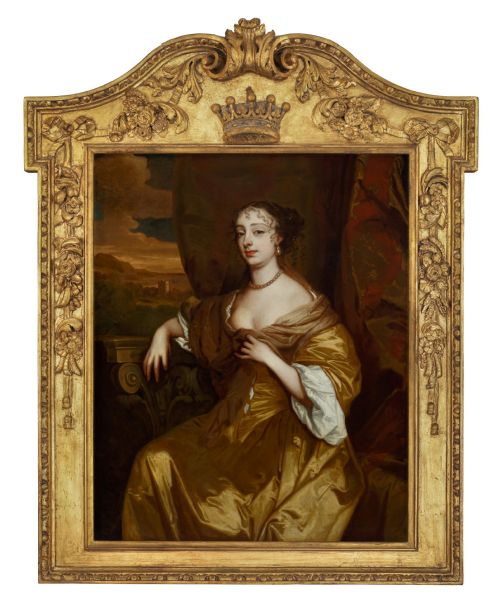
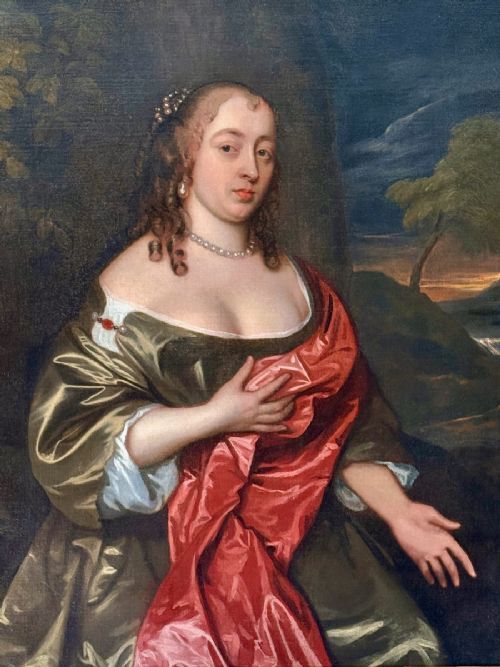
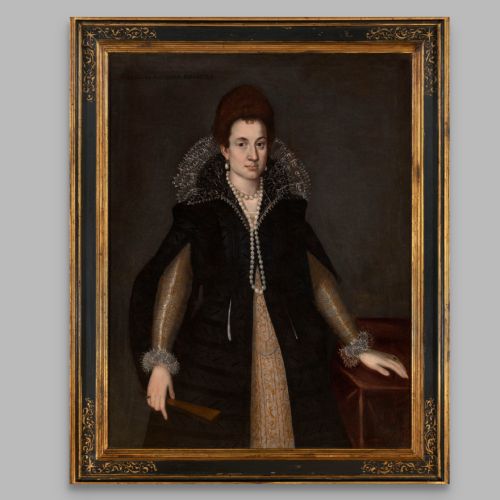
Noblewoman canvas art comprises historic oil paintings depicting aristocratic female subjects from the sixteenth, seventeenth and eighteenth centuries. These works range from intimate studio pieces to grand Baroque canvases set within period frames.
The version most commonly encountered on this page is the seventeenth-century oil on canvas portrait, often linked to British or Continental schools. Subjects typically include named countesses and duchesses captured in traditional attire.
Paintings span various regional styles including Italian Renaissance, Baroque and Restoration periods. Each work presents a distinct record of historic portraiture executed on woven canvas supports.
What varies in quality
The condition of the original canvas and the integrity of the accompanying timber frame influence the overall standard. Surviving historic frames with original gilding elevate the context of the painting.
Materials recorded across the inventory include oil paint, canvas, timber frames, gold leaf and linen.
Sir Peter Lely·Lavinia Fontana·John Hayls·Pietro Fachetti·Sir Anthony Van Dyck·Paolo Veronese·John Greenhill·Sir Godfrey Kneller·Charles Jervas
The Noblewoman Canvas Art Glossary
- Baroque
- A European artistic style of the seventeenth and early eighteenth centuries characterised by drama, rich detail and deep colour palettes. It informs the theatrical composition found in many portraits of this era.
- Oil on canvas
- A painting technique utilising pigments suspended in drying oils applied to a woven fabric support. This method allowed artists to achieve subtle tonal gradations and lasting durability.
- Leaf gilding
- The application of beaten gold leaf to decorative surfaces such as wooden picture frames. This process adds a reflective metallic border that complements the dark tones of historic oils.
- Studio of
- A designation indicating a work produced by assistants or pupils under the direct supervision of a master artist. Such pieces often replicate or adapt known compositions from the principal workshop.
- Restoration
- A historic period spanning the mid to late seventeenth century following the return of the monarchy. Portraits from this time frequently display elaborate court dress and ornate accessories.
Noblewoman Canvas Art: Frequently Asked Questions
How should I hang a heavy framed oil portrait?
Historic oil portraits require secure wall fixings anchored directly into masonry or substantial timber studs to support the weight of the timber frame and canvas.
Position the painting away from direct sunlight and heat sources to protect the oil paint and canvas from environmental stress.
What does attribution to a circle mean?
Attribution to a circle indicates that an artist worked within the stylistic sphere or workshop influence of a master without being the primary creator.
These paintings share technical methods and aesthetic qualities characteristic of a specific painter or period studio.
How do I identify a seventeenth-century portrait?
Seventeenth-century portraits are generally identified through the sitter's costume, hairstyles, lace collars and documented provenance records.
Stylistic conventions of the period, such as Baroque lighting and formal poses, also help confirm the era.
Are these paintings restored?
Many historic canvases have undergone conservation treatments over the centuries to stabilise the paint layer and repair the woven support.
Professional intervention helps preserve the structural integrity of the artwork while maintaining its historic character.