




Stuart Era Artwork
stuart era artwork brings seventeenth century portrait paintings, needlework pictures and engravings into your home with direct historical presence.
Stuart Era Artwork
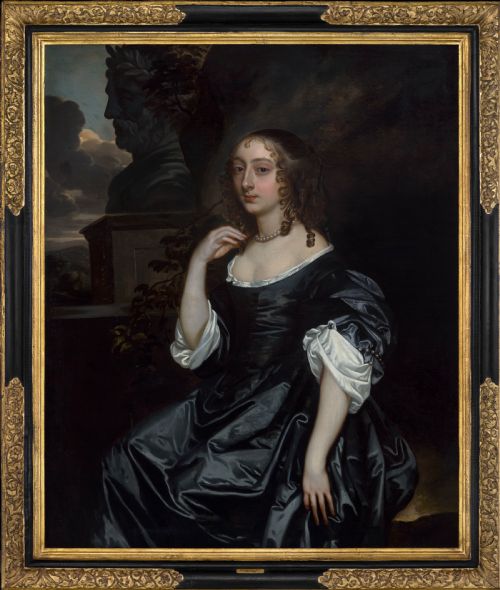
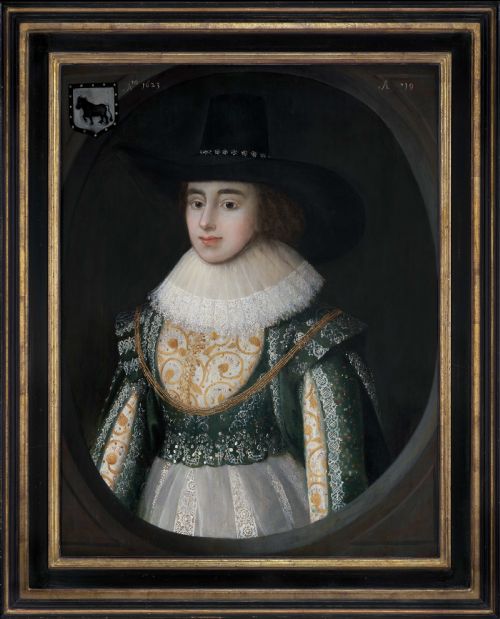
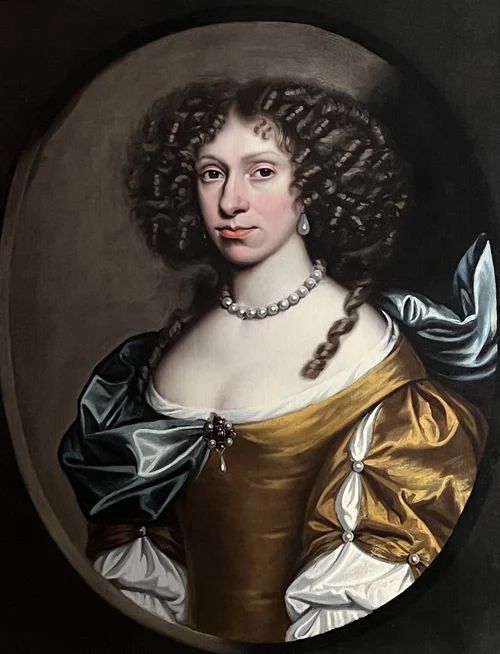
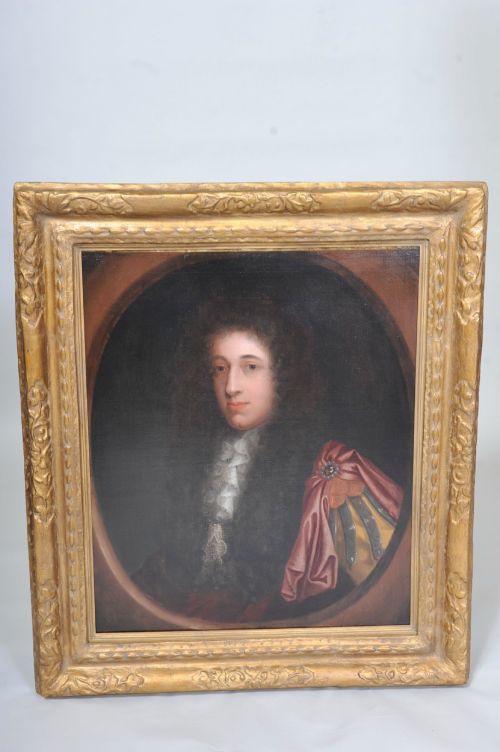
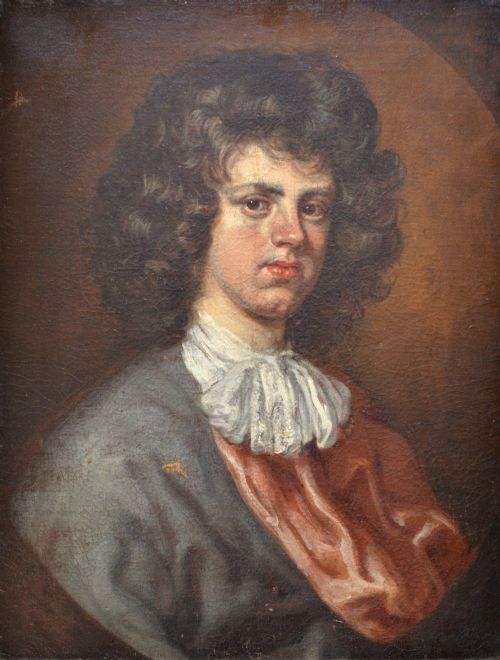
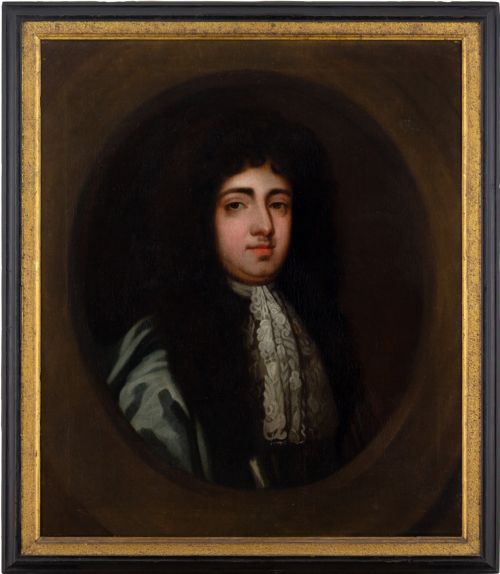
stuart era artwork consists primarily of oil paintings, portrait paintings, and needlework pictures created during the seventeenth century. These pieces record the likenesses of ladies, gentlemen, clergymen, and nobility from the period.
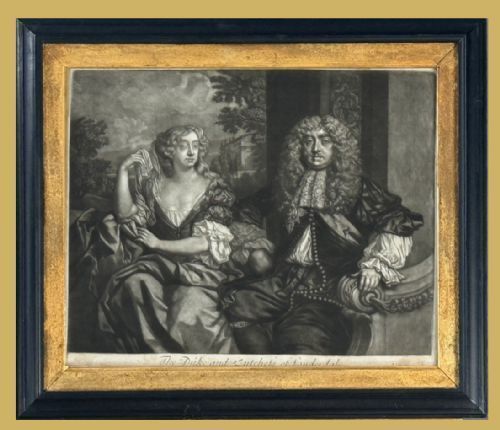
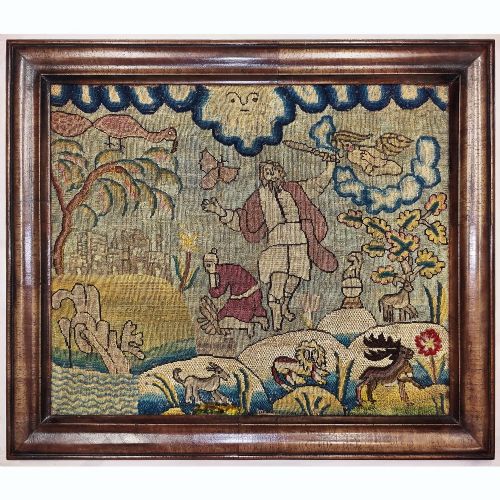
The most common examples on this page are oil on canvas or oil on panel portraits executed by English and Scottish schools, alongside detailed textile art and mezzotints.
Assessing quality
Quality rests upon the execution of the portrait, distinguishing between the hand of a master, a studio output, or a regional school. Finer pieces demonstrate superior control of oil paint and facial expression.
Condition of the canvas, panel, or needlework, alongside the integrity of the original medium, determines the retention of detail and visual strength.
Gentlemen in these portraits often held solemn expressions, yet their elaborate lace collars demanded meticulous needlework.
Sir Peter Lely·Cornelius Johnson·David Scougall·Mary Beale·John Greenhill·Sir Godfrey Kneller·John Michael Wright
The Stuart Era Artwork Glossary
- Mezzotint
- A printmaking process of the print genre that allows half-tints and rich tonal variations. It was frequently used for reproducing portraits after artists like Sir Peter Lely.
- Needlework picture
- A textile art form created with threads on canvas or fabric grounds. These pictorial pieces often depict figures or scenes.
- Baroque
- An artistic style characterised by movement, drama, and rich detail. It heavily influenced seventeenth century British art.
- Giltwood
- Wood that has been treated with gold leaf or gilt. It is commonly found on period frames.
- Panel painting
- A painting executed on a flat piece of wood rather than canvas. This was a common support in earlier seventeenth century works.
Stuart Era Artwork: Frequently Asked Questions
How do I identify a seventeenth century portrait?
Examine the costume, hair styling, and framing conventions typical of the period. Sitters often wear lace collars, distinctive doublets, or mantles characteristic of seventeenth century British fashion.
Material analysis of the canvas or wood panel provides additional chronological context. Attribution notes and artist circles also assist in establishing the date.
What is the difference between oil on canvas and panel?
Oil on canvas utilises stretched woven fabric as the painting support, which became increasingly common through the seventeenth century. Panel paintings employ rigid wooden boards, more typical of earlier works.
Both methods display the oil paint medium differently in terms of surface texture and ageing characteristics.
How should I care for stuart needlework pictures?
Keep textile art away from direct sunlight to prevent the fading of historic threads and fabrics. Stable indoor humidity levels protect the fragile materials from degradation.
Display the needlework behind protective glass to shield the fibres from dust and atmospheric pollutants.
What distinguishes studio work from an attributed painting?
Attributed works are judged to be by a named artist based on stylistic evidence, while studio pieces originate from the workshop of that master. Studio output often involves assistants executing parts of the composition under supervision.
Both categories reflect the working practices of seventeenth century portrait painters.