



Black Dress Painting
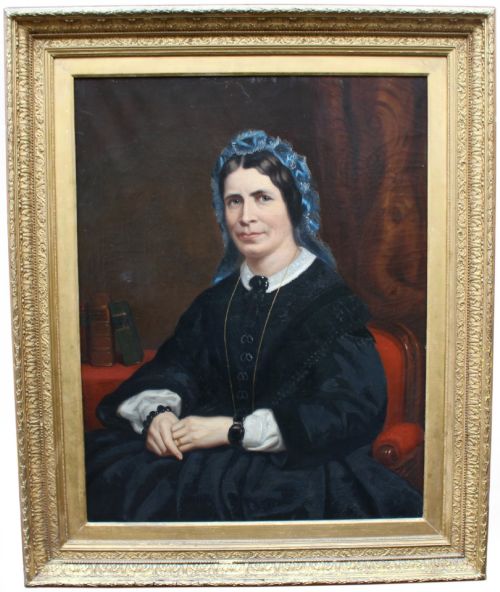
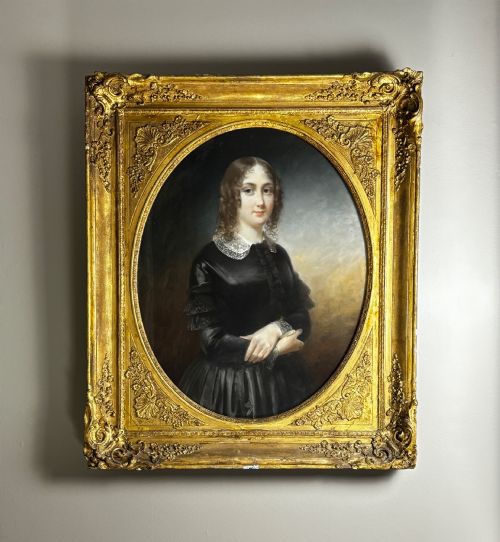
A black dress painting captures the solemn elegance and deep texture of dark fabric rendered in oils across centuries.
Black Dress Painting
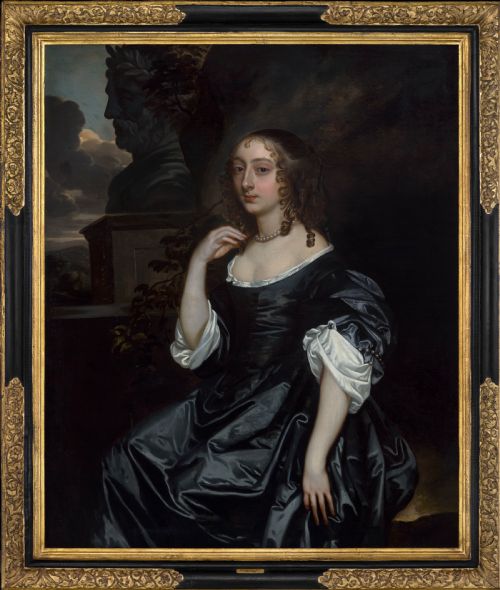
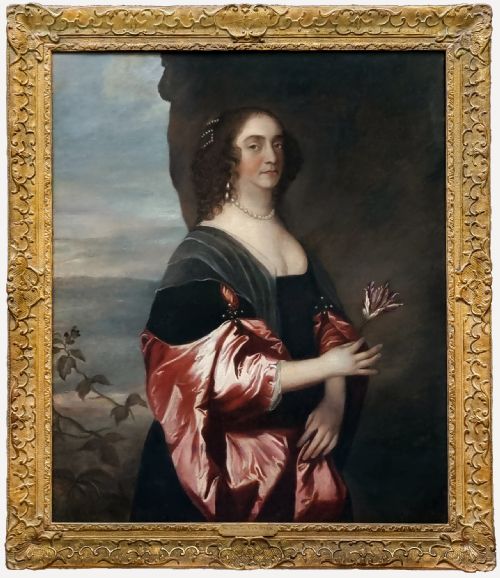
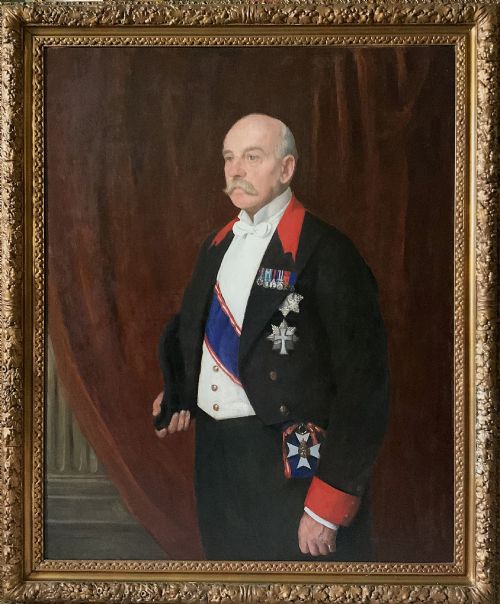
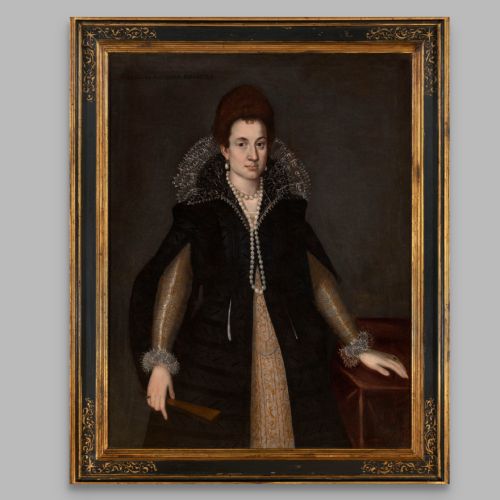
A black dress painting centres on portraiture where dark garments define the visual weight and mood of the subject. These works span from seventeenth-century aristocratic studies to Victorian and twentieth-century canvases.
The most frequent examples on this page are oil paintings on canvas depicting female sitters in dark attire, ranging from seventeenth-century workshop pieces to later Victorian compositions.
Materials and technique
Artists relied primarily on oil on canvas, building deep shadows and rich dark tones through layered applications of pigment. Gold leaf frames often complement these works, adding structural contrast to the sombre palette.
Earlier pieces incorporate wood panels or stretched canvas prepared with traditional grounds, while nineteenth- and twentieth-century examples utilise refined canvas supports and varied varnishes.
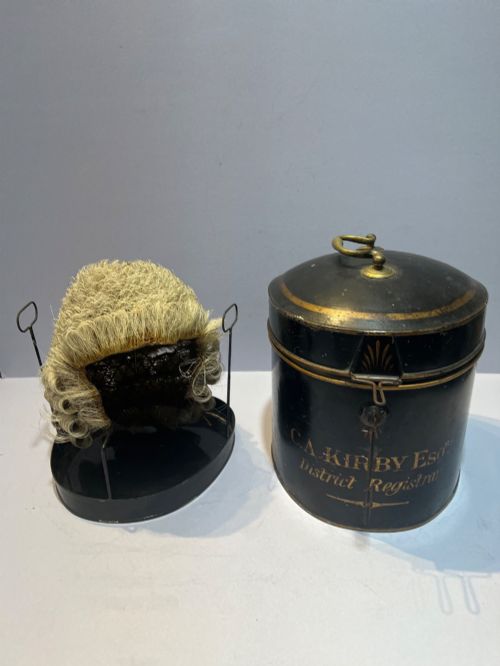
Legal wigs occasionally share space with seventeenth-century countesses, proving that historical gravity appreciates a good horsehair curl.
Defining quality
Quality rests on the fidelity of the sitter's expression and the handling of the dark textiles, where master painters distinguish folds and textures without losing the garment into flat shadow. The integrity of the canvas and the presence of period frames also influence the standing of the work.
Workshop attributions and the documented lineage of the portrait elevate certain canvases above standard decorative examples from the same era.
Sir Peter Lely·Pietro Fachetti·W.R. Waters·Eade and Son·Georges Goursat·C.J. Basbe·Cornelius Johnson·Sonia Mervyn·Eden Upton Eddis·John Raphael Smith
The Black Dress Painting Glossary
- Oil on canvas
- Pigments bound in a drying oil applied to a woven fabric support. This combination allows for subtle blending and deep tonal graduation.
- Circle of
- A designation used when a work is produced by an unrecorded artist working closely with a master and sharing their distinct style.
- Gilt frame
- A wooden structure coated with gold leaf or metallic powder. These surrounds provide physical protection and visual enhancement to historic paintings.
- Portraiture
- The representation of a particular person, paying specific attention to likeness, character, and social status.
Black Dress Painting: Frequently Asked Questions
What defines a black dress painting?
These works focus on human subjects wearing dark garments, allowing the artist to showcase mastery over shadow, fabric texture, and facial illumination.
The genre spans several centuries, capturing evolving fashions alongside changing portrait traditions.
How do I date an antique oil painting?
Dating relies on stylistic clues within the sitter's clothing, hair, and accessories, supported by the physical construction of the canvas and stretcher.
Examination of framing materials and secondary markings on the reverse also assists in establishing age.
How should I care for canvas art?
Keep paintings away from direct sunlight and fluctuating humidity to prevent the canvas from slackening and the paint from cracking.
Dust gently with a soft, dry brush without applying pressure to the pigment surface.
What is a studio or circle attribution?
These terms indicate that a painting originated from the workshop of a recognised master or an artist closely influenced by their methods.
Such works reflect the direct stylistic techniques of the primary master without bearing their personal signature.