



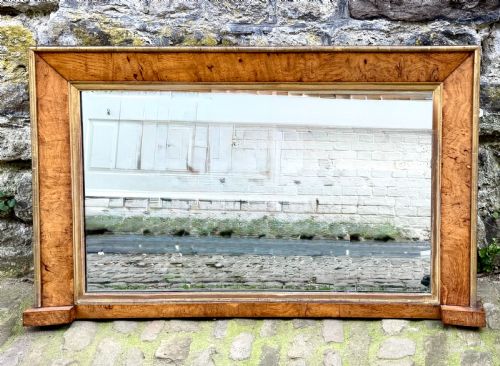


English Regency Wall Mirror
An english regency wall mirror brings the proportion and gilded brilliance of the early nineteenth century straight into a modern interior.
English Regency Wall Mirror
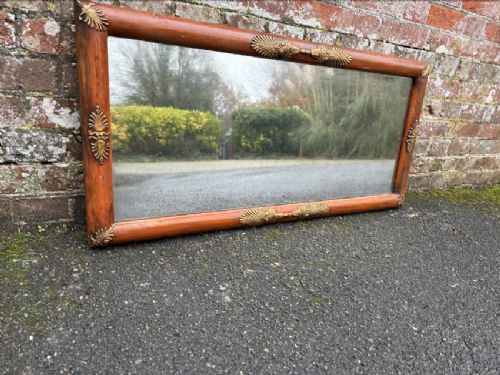
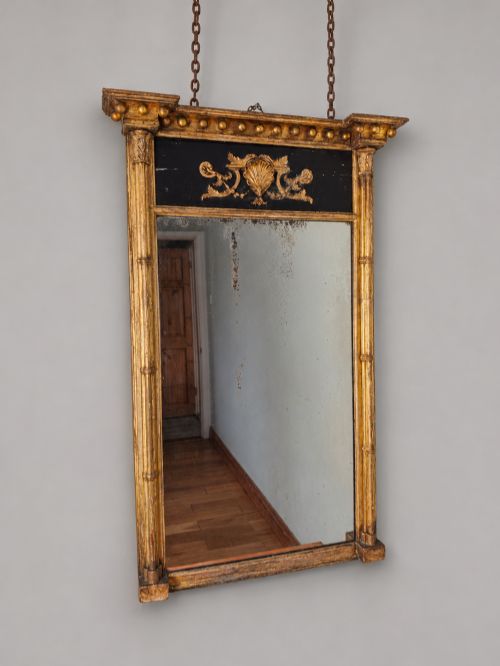
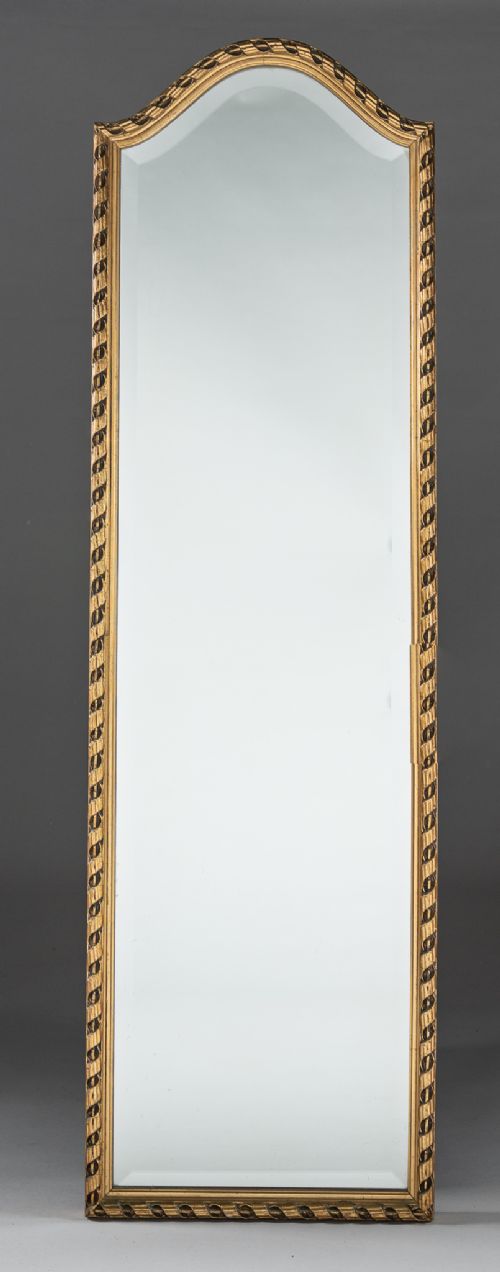
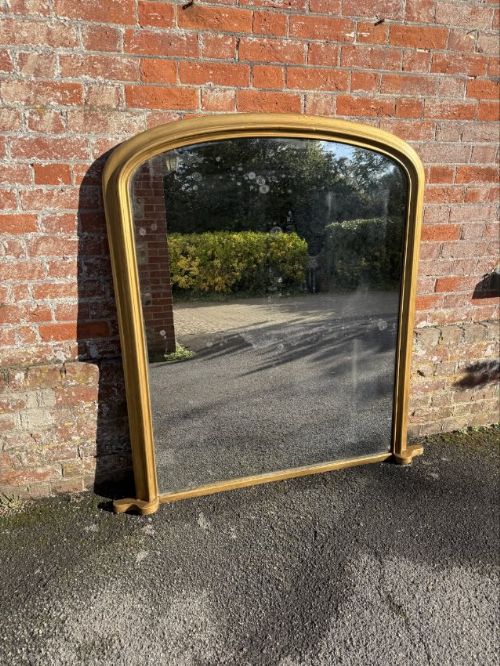
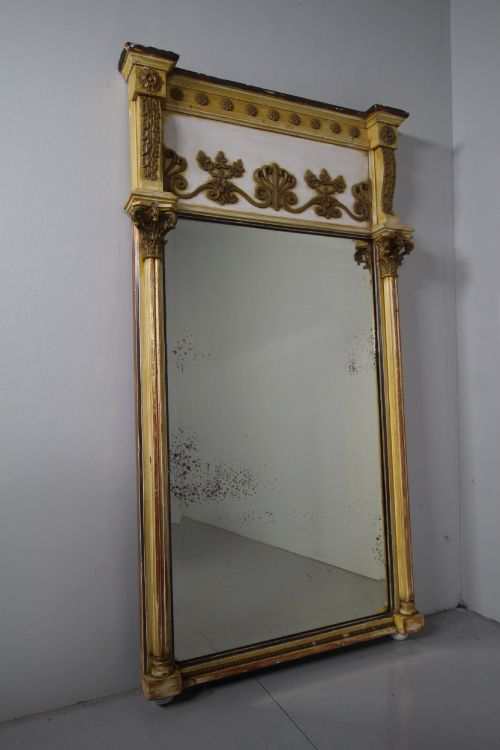
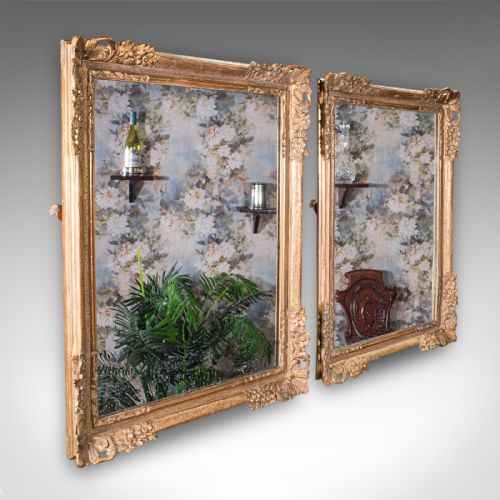
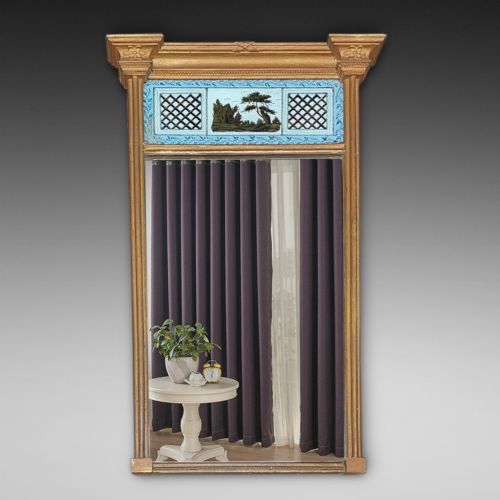
When searching for an english regency wall mirror, collectors encounter diverse forms including architectural overmantels, tall pier glasses designed for narrow wall spaces, and circular convex mirrors. These pieces originate predominantly from the Regency period and the broader nineteenth century, reflecting classical proportions and refined decorative schemes.
The overmantel mirror stands out as a prominent type, engineered originally to sit above a fireplace mantelpiece with landscape orientations and multi-plate configurations. Pier mirrors and convex formats also appear frequently, often retaining original gilded surfaces and traditional wall-hanging frames.
Makers and craftsmen of the era utilised distinct stylistic vocabularies, ranging from restrained neoclassical lines to elaborate rope twist mouldings and column-supported frames. Surviving examples demonstrate how these objects functioned both as practical looking glasses and as primary decorative focal points in English country houses and town residences.
How They Were Made
Frames are constructed primarily from carved wood such as pine or mahogany, frequently layered with gesso and composition ornaments to create sharp architectural details. Artisans applied gold leaf or oil gilt finishes over these prepared surfaces, sometimes combining parcel paint or ebonised elements for contrast.
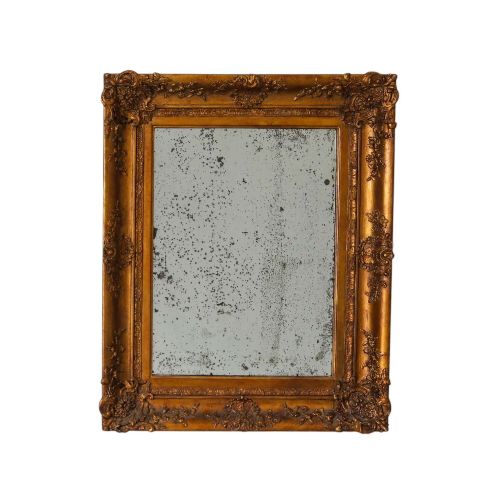
Mirror plates were produced using traditional techniques, resulting in authentic characteristics such as foxed silvering or mercury glass appearance. Frame mouldings incorporate recurring motifs like ribbed columns, rope twists, and classical pediments executed through skilled carving and moulding methods.
English Regency Wall Mirror Retail Price Guide 2026
Typical asking prices for english regency wall mirror among the pieces listed under this phrase on Sellingantiques today, from the lower quarter to the upper quarter. They describe what is for sale here now, not the wider market.
Convex mirrors often included small eagle crests perched on top, watching over the Victorian parlour.
What Varies In Quality
The refinement of the gesso work and the crispness of the carved wooden details distinguish finer examples from simpler production. Superior pieces display deeply undercut moulding, well-defined rope twists, and harmonious proportions across large overmantel and pier formats.
The preservation of the original mercury glass or early silvered plate contributes significantly to an object's integrity. High-quality mirrors retain their original gilding without excessive over-painting, maintaining the authentic lustre intended by nineteenth-century makers.
The English Regency Wall Mirror Glossary
- Gesso
- A plaster-like mixture applied to wooden frames as a base for gilding. It allows craftsmen to model intricate low-relief ornamentation before applying gold leaf.
- Verre Eglomise
- A technique where design and gilding are applied to the reverse of glass panels. This creates a deep, reflective border often seen on pier mirrors.
- Convex Mirror
- A circular looking glass with a curved plate that reflects a wide, fish-eye view of the room. These convex forms were popular for illuminating dark corners.
- Overmantel Mirror
- A wide landscape mirror designed specifically to hang above a fireplace mantel. They often feature multi-plate glass and elaborate architectural frames.
- Pier Mirror
- A tall, vertical looking glass designed to hang on the narrow wall space between windows. These mirrors maximise natural light in period reception rooms.
English Regency Wall Mirror: Frequently Asked Questions
How do I hang a heavy overmantel mirror?
These substantial frames require secure anchorage directly into masonry walls or heavy timber studs using rated brackets. Professional installation ensures the weight of the wood and gesso structure is distributed safely.
Positioning the glass at the correct height above a fireplace protects the frame from excessive heat and creates a balanced visual anchor for the room.
What is foxed glass?
Foxing refers to the natural age spots and dark patches that develop within the silvering of antique mirror plates over decades. This patina results from chemical reactions behind the glass and confirms the age of the plate.
Many collectors prize genuine foxed plates for the atmospheric reflection they bring to an interior setting.
Are convex mirrors dangerous?
Convex mirrors concentrate light through their curved glass surface, which historically earned them the nickname banker's mirrors for monitoring rooms. Modern placement simply requires avoiding direct, intense sunlight to prevent any focus of heat.
Their spherical reflection remains an effective way to bounce ambient light across a dark hallway or study.
How do I clean an antique giltwood frame?
Dusting should be performed gently using a soft, dry brush to prevent disturbing fragile gesso and gold leaf layers. Liquid cleaners and moisture must be kept away from the gilded surface entirely.
Preserving the original finish relies on minimal intervention and careful handling during routine maintenance.