

English Pottery Dish
When you search for an english pottery dish, you enter a vast tradition of utilitarian and decorative ceramic forms made across several centuries.
English Pottery Dish
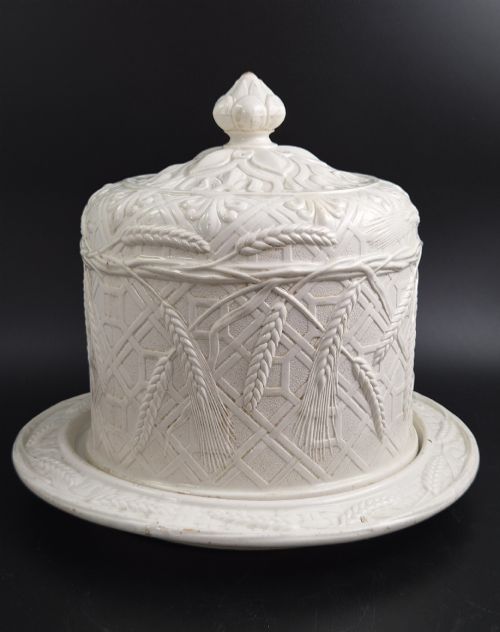
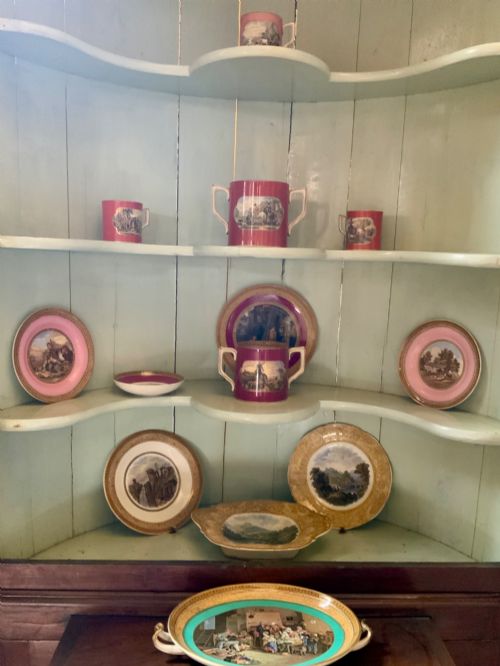
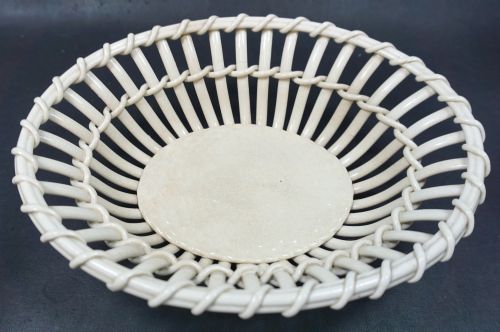
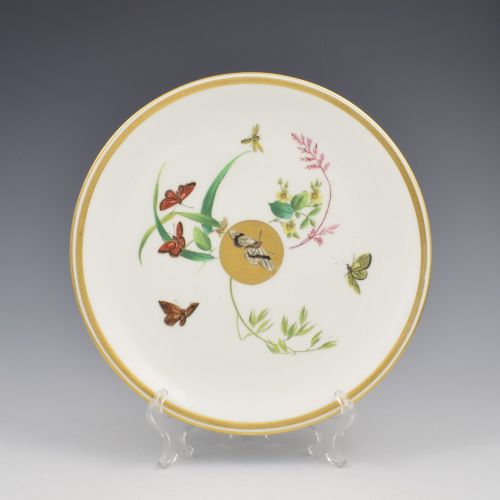
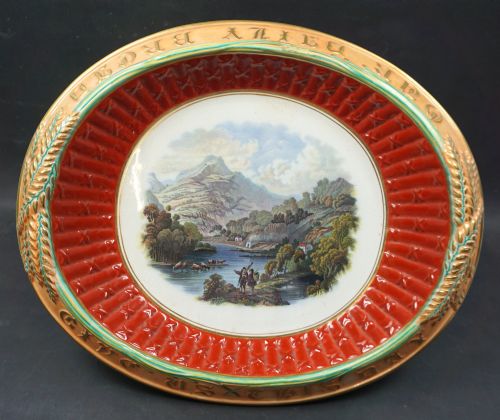
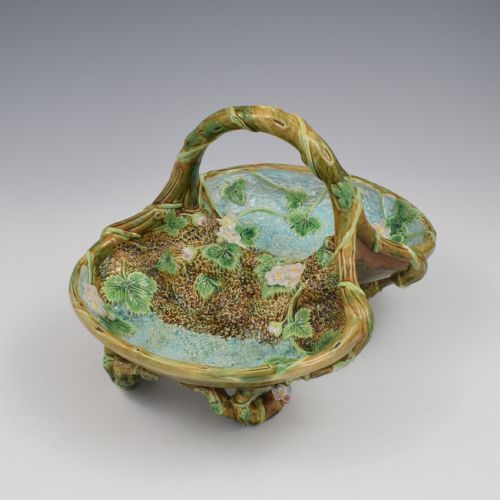
An english pottery dish encompasses domestic and decorative tablewares produced across the eighteenth and nineteenth centuries, including utilitarian vessels and ornamental showpieces. Buyers encounter numerous forms ranging from flat plates and shallow bowls to deep chargers, serving platters, and specialised containers.
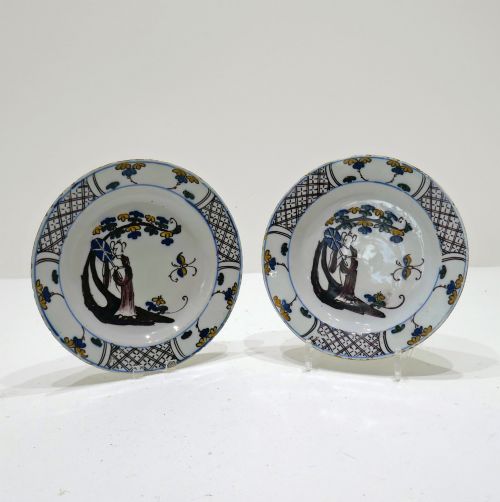
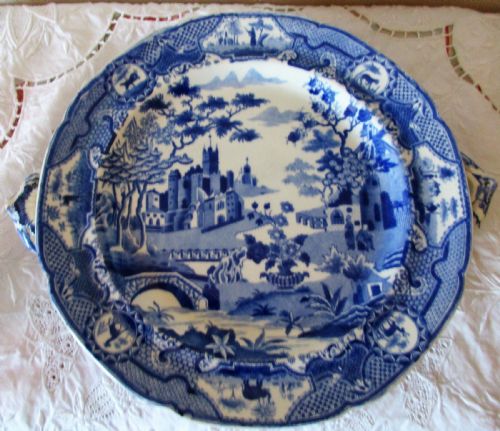
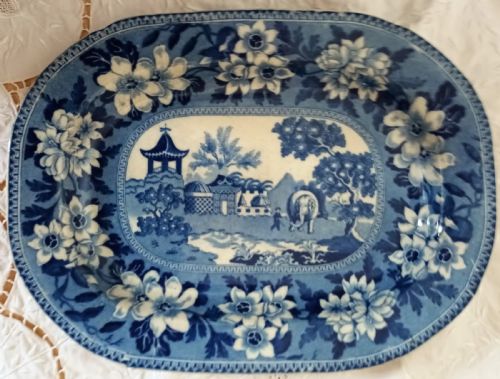
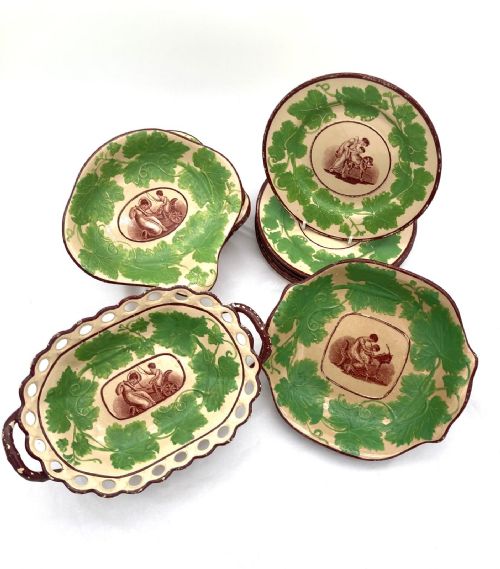
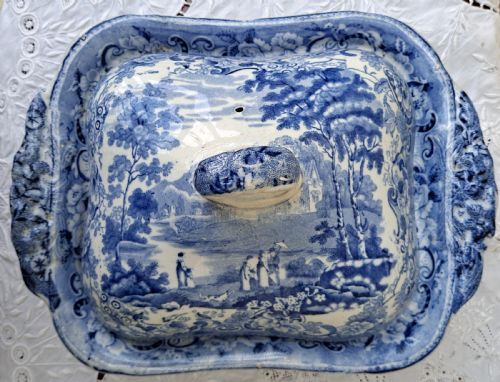
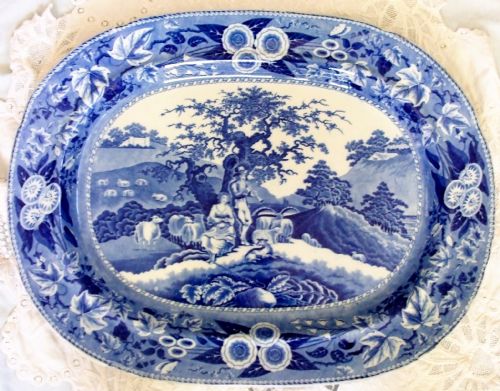
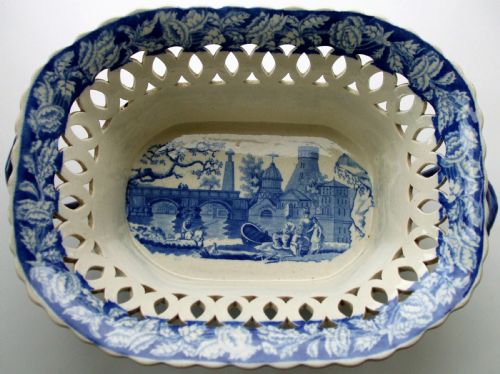
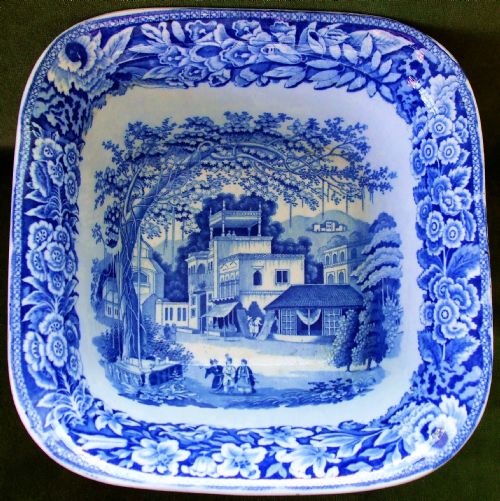
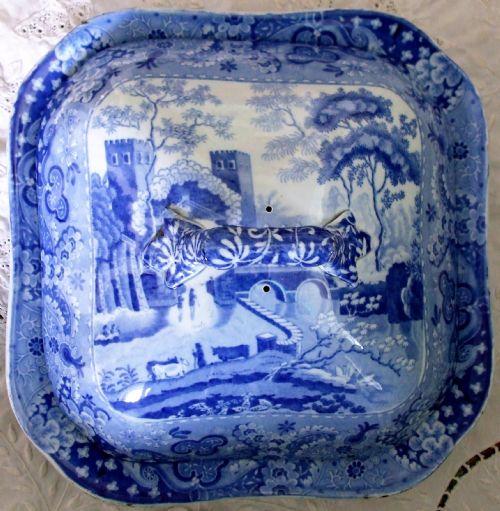
The material composition spans traditional earthenware, refined creamware, pearlware, and tin-glazed earthenware known as delftware. Many examples display the rich blue and white transfer-printed patterns typical of the Georgian and Victorian eras, while others feature hand-painted polychrome decoration.
Origins trace to major manufacturing centres such as Staffordshire, Bristol, and London, reflecting distinct regional specialisms. Collectors often find pieces connected to specific historical periods including the Regency, Victorian, and Edwardian eras.
Materials and Techniques
Potters shaped local clays on the wheel or pressed them into moulds to create specific vessel geometries. Earthenware and stoneware formed the structural body of most domestic items, providing a durable base for subsequent glazing.
Tin glaze and transparent lead glazes provided smooth protective surfaces that accepted cobalt pigment and enamel painting. Transfer printing allowed workshops to apply intricate pictorial scenes onto the biscuit body before a final glaze firing fixed the design.
Listings feature pieces spanning the 18th century, Victorian era, and 1930s, utilising earthenware, porcelain, and stoneware.
Evaluating Quality and Craftsmanship
Superior execution shows in the crispness of transfer-printed details and the evenness of the glaze application. Potters who mastered kiln temperature control avoided warping and bubbling in the surface finish.
Hand-painted highlights, finely pierced borders, and precise polychrome enamel work separate standard utilitarian wares from superior exhibition pieces. The clarity of the maker's mark or pattern name often indicates a higher tier of workshop production.
Wedgwood·Spode·George Jones·John Rogers and Son·Minton
The English Pottery Dish Glossary
- Delftware
- Tin-glazed earthenware produced in England, typically featuring white surfaces painted with blue or polychrome designs. It gained popularity during the seventeenth and eighteenth centuries.
- Transfer printing
- A decoration technique where an engraved copper plate transfers an inked design onto tissue paper, which is then pressed onto the ceramic body. This method revolutionized mass production in the Georgian period.
- Pearlware
- A refined earthenware developed in the late eighteenth century featuring a subtle bluish glaze that made the underlying ceramic body appear whiter. It served as a popular canvas for blue and white printed landscapes.
- Creamware
- A fine-grained, cream-coloured earthenware perfected by Josiah Wedgwood and widely adopted across English potteries for domestic tablewares. Its warm tone defined late eighteenth-century dining.
- Charger
- A large decorative plate or shallow dish traditionally displayed on a dresser or hung on a wall rather than used for serving food at the table.
English Pottery Dish: Frequently Asked Questions
Were these items meant for daily use?
Many items served practical functions in the dining room, from serving meats and vegetables to holding cheese or dessert. Robust earthenwares handled daily household routines.
More delicate painted or transfer-printed vessels saw lighter service or acted as display pieces on sideboards. Larger chargers were primarily decorative from the start.
How do I identify the date of a piece?
Examine the base for maker's marks, pattern names, or registration diamonds that indicate specific years of production. The glaze type and ceramic body also point toward particular decades.
Stylistic clues such as transfer print motifs or the presence of pearlware glaze narrow the manufacturing window.
Can I hang chargers on the wall?
Displaying large decorative items on walls was a common practice in historic interiors. Specialised spring-loaded wall hangers support the rim securely without damaging the ceramic.
Ensure the wall fixing is secure enough to hold the weight of denser earthenware bodies.