
English Porcelain Teacup
An English porcelain teacup brings centuries of delicate craftsmanship, handpainted botanical motifs, and gilded heritage straight to the morning routine.
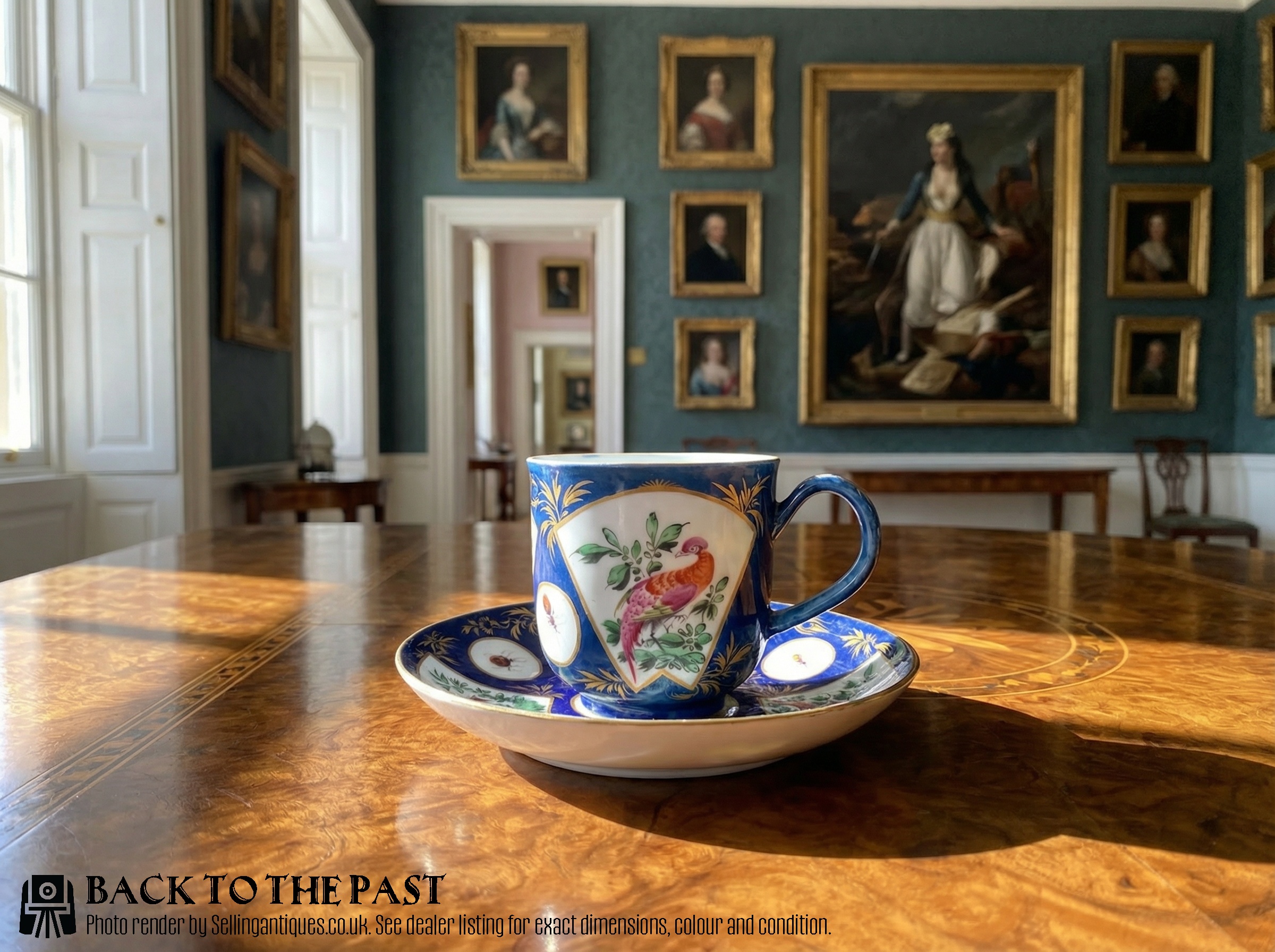
English Porcelain Teacup
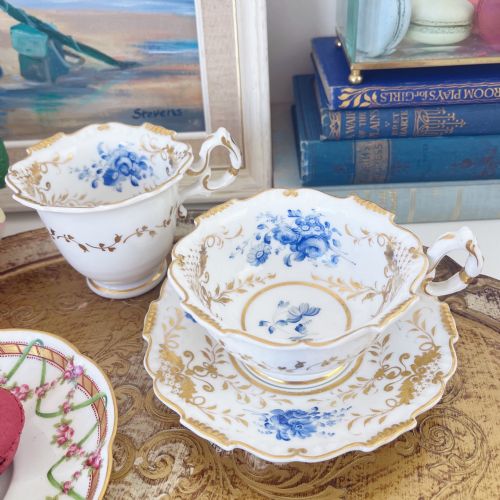
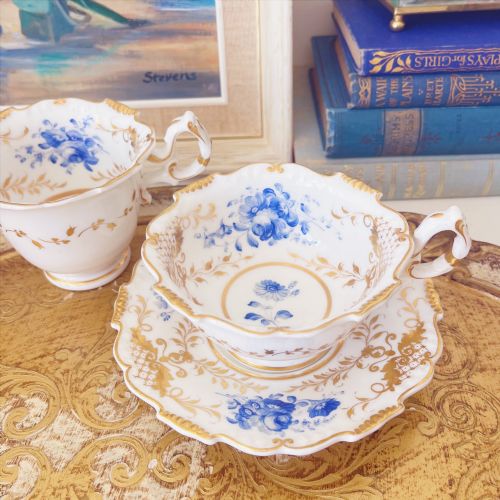
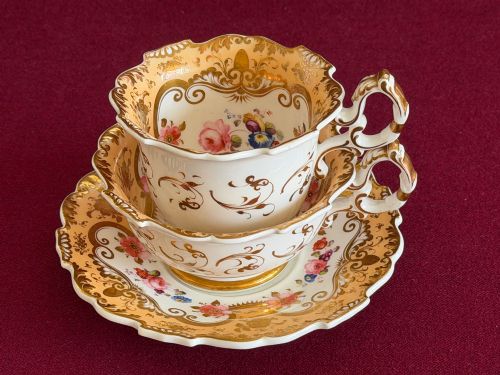
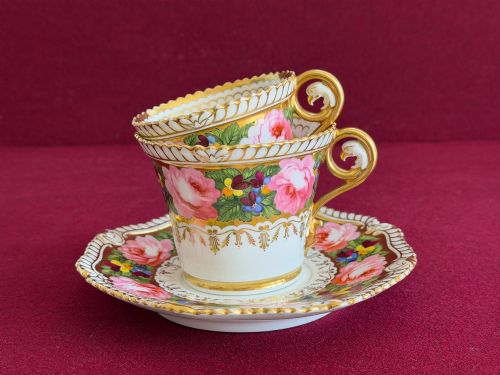
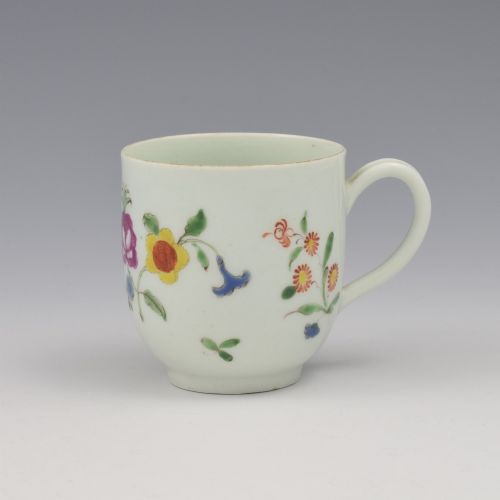
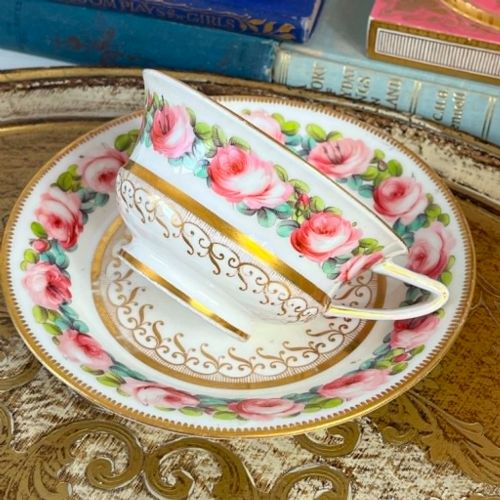
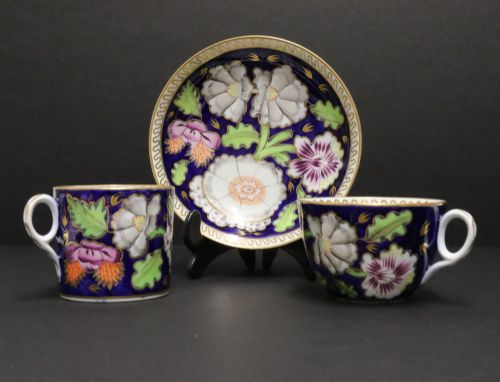
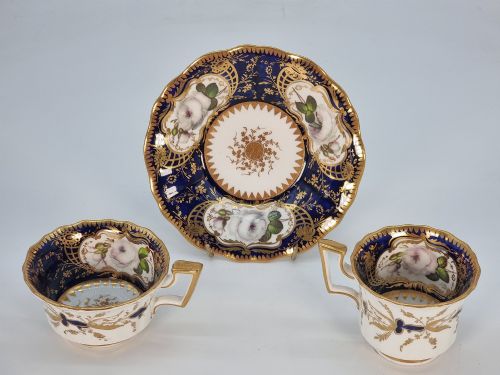
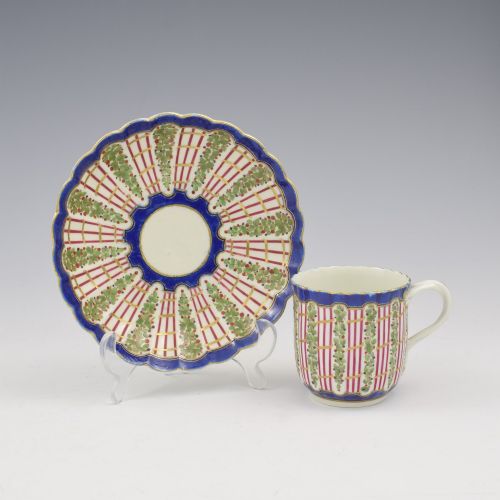
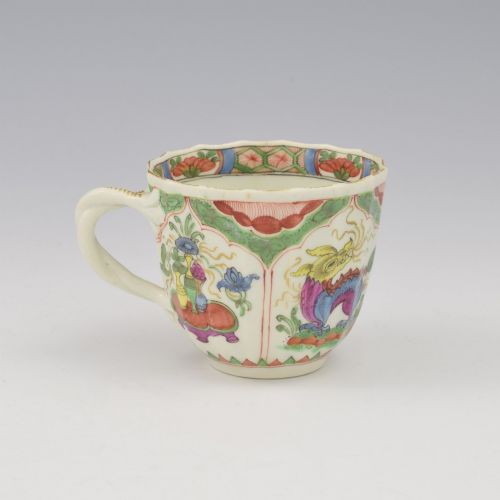
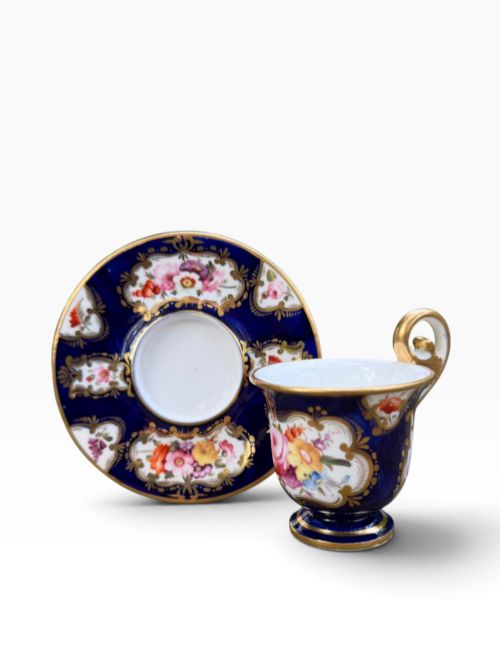
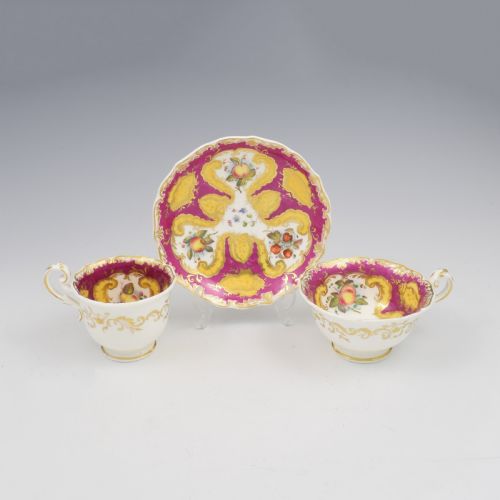
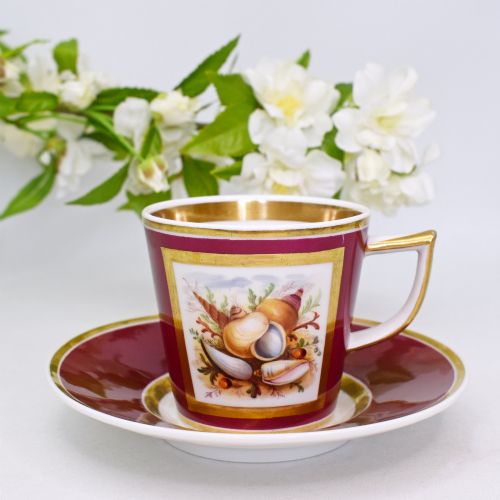
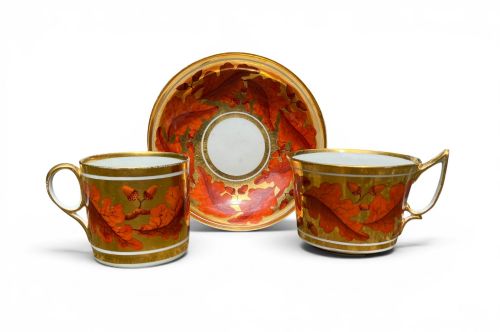
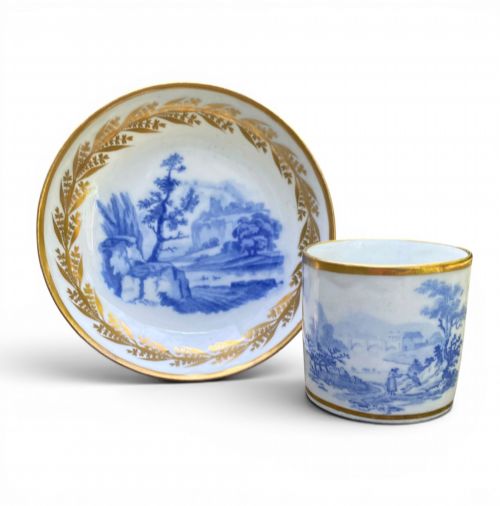
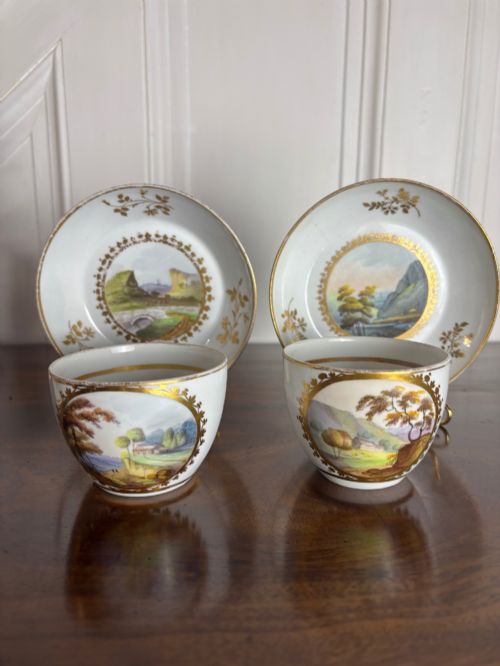
An English porcelain teacup represents a diverse range of historic ceramic forms, spanning from eighteenth-century tea bowls to twentieth-century morning sets. When exploring this selection, buyers frequently encounter individual duos and trios comprising a cup, saucer, and sometimes a matching coffee cup or plate.
The objects originate from notable periods including the Georgian era, the Regency period, and the Victorian age, alongside early twentieth-century productions. Makers represented across these eras include historic factories such as Worcester, Coalport, and New Hall.
Forms vary from simple fluted tea bowls designed for early infusions to elaborate cabinet trios intended for display. Each piece reflects the shifting social rituals of tea drinking across British history.
How they were made
Early makers utilised soft-paste porcelain before transitioning to bone china and hard-paste bodies, shaping vessels either by hand-throwing on a wheel or by moulding in metal and plaster cases. Potters applied underglaze blue painting or overglaze enamel decoration by hand, frequently incorporating rich gilding and gold leaf highlights.
Firing took place in kilns where pieces required precise temperature control to vitrify the ceramic body and set the polychrome pigments. Artisans often added intricate handpainted landscapes, floral sprays, or bird motifs before a final low-temperature fixing fire.
English Porcelain Teacup Retail Price Guide 2026
Typical asking prices for english porcelain teacup among the pieces listed under this phrase on Sellingantiques today, from the lower quarter to the upper quarter. They describe what is for sale here now, not the wider market.
Listings feature porcelain forms spanning the 18th Century, Regency, Victorian, and early 20th Century eras.
What varies in quality
The standard of an english porcelain teacup depends heavily on the precision of the handpainting and the crispness of the moulded details, such as fluting or gadrooning. Superior examples display finely executed enamel work and generous, well-preserved gilding rather than mass-transferred patterns.
Factory attribution also influences standing, with pieces carrying marks from First Period Worcester or Flight, Barr and Barr commanding particular attention. The integrity of the porcelain body, freedom from excessive kiln specking, and the completeness of original trios further distinguish finer items.
H and R Daniel·Chamberlain Worcester·Richard Chaffers·Coalport·New Hall·Flight Barr and Barr·Royal Worcester·Royal Albert Crown China
The English Porcelain Teacup Glossary
- Soft-Paste Porcelain
- An artificial ceramic paste fired at lower temperatures than hard-paste porcelain, common in eighteenth-century English factories like early Worcester.
- Tea Bowl
- A handleless drinking vessel used before teacups with handles became standard in the late eighteenth century.
- Trio
- A matched set consisting of a teacup, a coffee cup or matching plate, and a saucer.
- Gilding
- The application of gold leaf or gold paint to edges, handles, and decorative borders.
- Enamel
- Opaque glass-based colour applied over the glaze and fired to create vibrant polychrome scenes.
English Porcelain Teacup: Frequently Asked Questions
Can I use antique teacups every day?
These delicate ceramics require gentle handling, and hand washing in warm water preserves the historic enamels and fragile gilding.
Avoiding dishwashers and microwaves ensures the soft-paste or bone china bodies remain undamaged for future generations.
What is the difference between a tea bowl and a teacup?
Early tea bowls were made without handles, following Chinese export prototypes from the eighteenth century.
Teacups featuring applied handles emerged later as European ceramic manufacturing evolved to suit British drinking preferences.
How do I identify a Regency period cup?
Regency pieces often exhibit classical neoclassical shapes, vibrant enamel palettes, and rich burnished gold leaf decoration.
Many bear factory patterns or script marks corresponding to the early nineteenth century.
What does a cabinet trio include?
A cabinet trio typically comprises a teacup, a coffee cup, and a matching saucer designed for display rather than robust daily use.
These sets highlight the finest handpainted botanical or landscape artistry of the factory.