




English Porcelain Lidded Pot
An english porcelain lidded pot holds small treasures and shows the heights of ceramic skill.
English Porcelain Lidded Pot
When you search for an english porcelain lidded pot, you enter a world of tablewares and cabinet ornaments spanning two centuries. The selection ranges from nineteenth century sucriers and biscuit barrels to twentieth century pot pourri vases and pommanders.
You are most likely to meet pieces bearing the mark of Royal Worcester alongside earlier works by Spode and Chamberlain Worcester. Forms vary from ginger jars and sugar bowls to pierced vessels designed to hold dried flowers.
How They Were Made
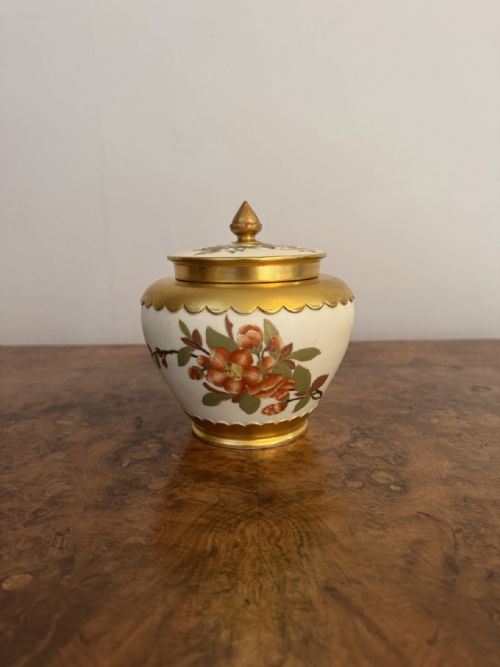
Potters shaped fine ceramic paste and bone china into vessels before firing them in kilns. Artisans then applied delicate enamel painting, often enhanced with gold leaf, gilding, or gilt accents.
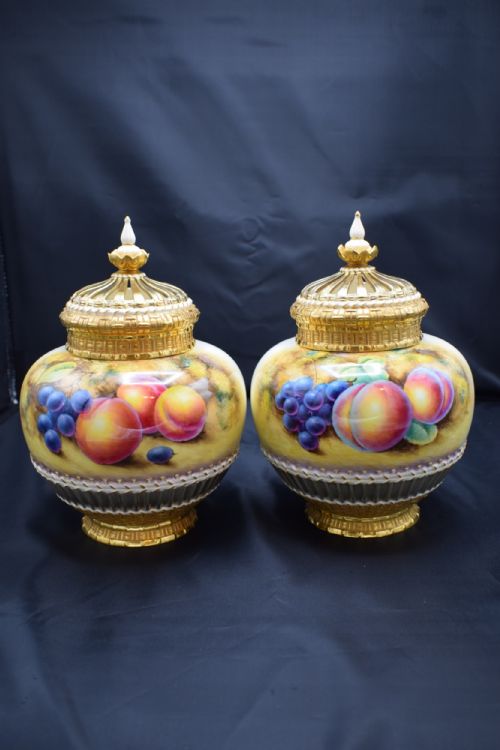
Certain functional forms incorporate metalwork such as silver plate mounts and covers. Others feature intricate pierced lids designed to release scent from pot pourri within.
Materials recorded across the selection include porcelain, bone china, ceramic, enamel, silver plate, gold leaf, and gilt.
What Varies in Quality
The standard of painting defines the division between ordinary production and masterwork pieces. Named artists hand painting fruit or floral scenes elevate a vessel far above standard factory decoration.
The crispness of mould shaping and the finesse of gilding further distinguish finer examples. Early nineteenth century bodies demonstrate different translucency compared to later Victorian and twentieth century pastes.
Royal Worcester·Spode·Chamberlain Worcester
The English Porcelain Lidded Pot Glossary
- Sucrier
- A covered pot designed for holding sugar at the tea table. These often match larger tea and coffee services.
- Biscuit Barrel
- A cylindrical jar with a lid, frequently fitted with silver plate mounts, used for storing dry biscuits. Victorian dining tables often featured these lidded containers.
- Pomander
- A perforated container holding aromatic substances or pot pourri to freshen a room. Eighteenth century examples show early forms of this scent vessel.
- Imari
- A decorative style inspired by Japanese export wares, utilising iron red, cobalt blue, and gilding. Spode pieces frequently employed this colourful palette.
- Blush Ivory
- A matt cream ceramic finish developed by Royal Worcester during the late nineteenth and early twentieth centuries. It provides a soft background for floral painting.
English Porcelain Lidded Pot: Frequently Asked Questions
What were lidded pots used for?
These lidded vessels served varied domestic purposes depending on their specific form and era. Sucriers held table sugar, while larger jars stored dry biscuits or scented pot pourri.
Pierced containers allowed fragrance to drift through drawing rooms. Others simply stood as decorative mantel ornaments displaying fine hand painted artistry.
How do I date an english porcelain lidded pot?
Dating relies upon factory backstamps, ceramic bodies, and stylistic evidence. Earlier pieces from the Regency and Georgian periods display different paste composition and hand enamelling.
Victorian and twentieth century works often carry specific date ciphers or artist signatures. Comparing forms to documented factory shapes confirms the period of production.
Who painted these porcelain pieces?
Renowned ceramic artists decorated the finest vessels produced by factories like Royal Worcester. Signatures from painters such as John Smith, Jas Stinton, and Kitty Blake appear on premium works.
These artists specialised in detailed fruit studies and floral motifs. Their signed pieces represent the highest tier of English ceramic artistry.
How should I display my lidded pot?
Display these delicate ceramics away from direct sunlight and heavy foot traffic. Cabinets with glass doors protect painted surfaces and gilded details from dust and accidental knocks.
Keep lids resting securely on their bases to prevent edge chips. Grouping pieces by factory or period creates a coherent decorative display.