


English Porcelain Leaf Dish
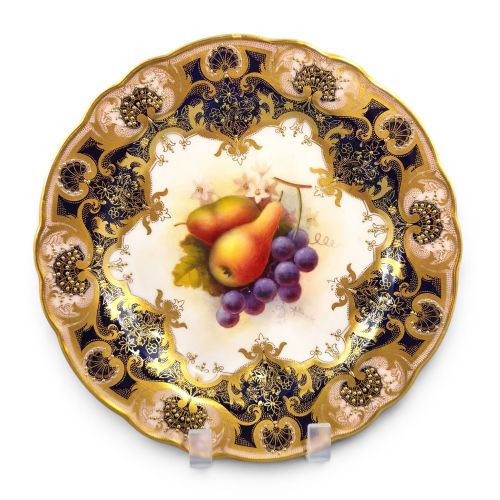
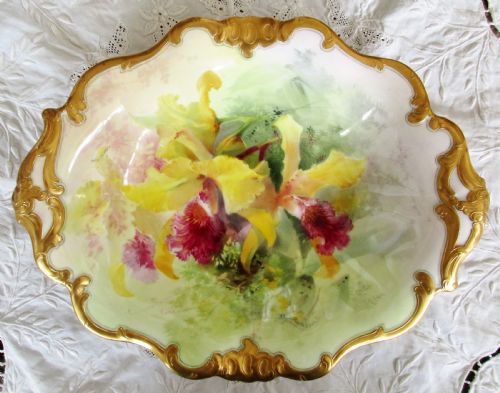
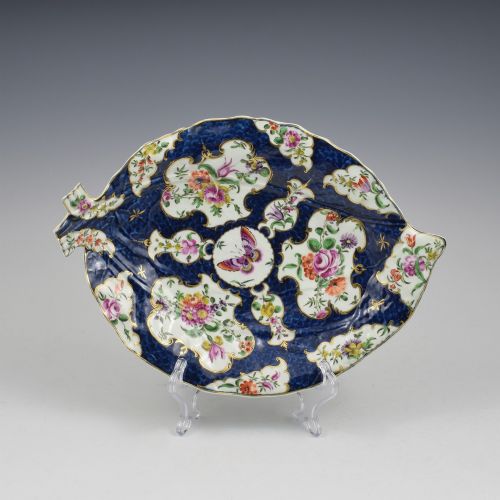
These english porcelain leaf dish examples bring eighteenth-century botanical forms and hand-painted bird or butterfly motifs straight to the dining table.
English Porcelain Leaf Dish
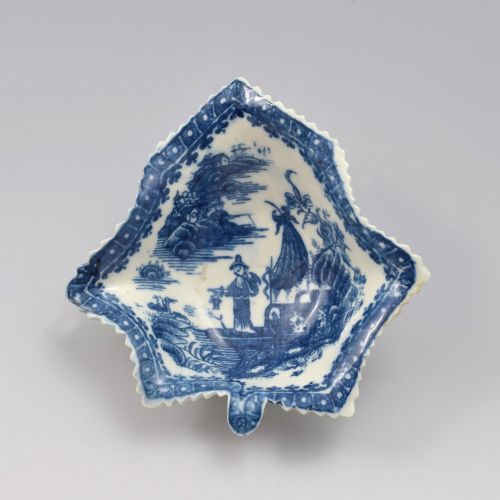
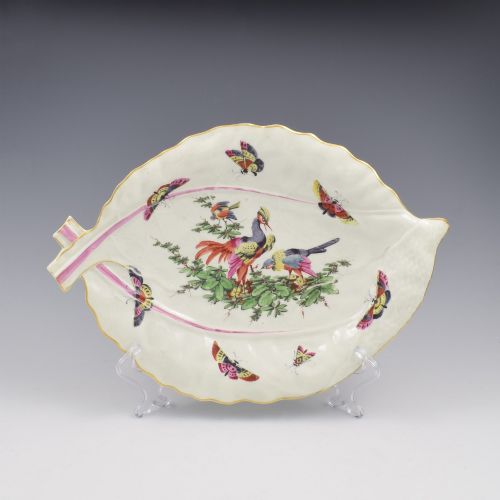
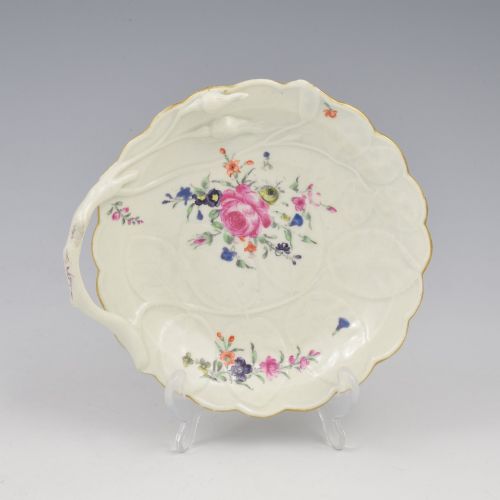
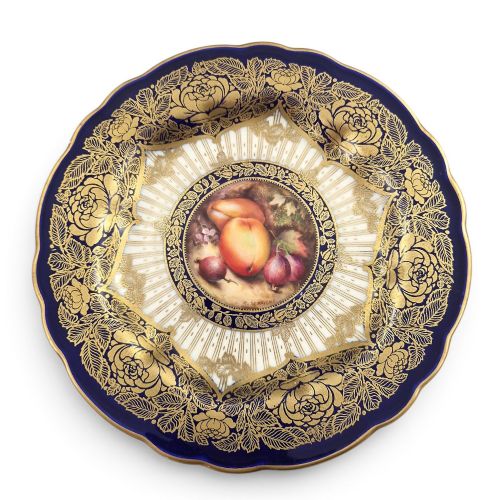
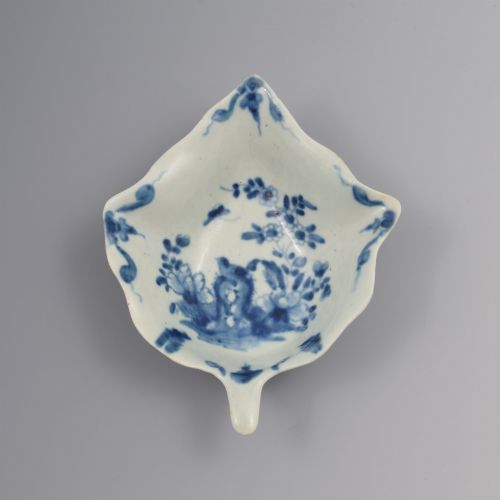
An english porcelain leaf dish translates organic botanical shapes into functional ceramic tableware, taking the form of cabbage leaves, wicker-edged leaves, and overlapping foliage. The selection spans distinct eras, from eighteenth-century soft-paste porcelain pickle dishes up to twentieth-century hand-painted cabinet plates.
Moulded veining and naturalistic contours define the form, often serving smaller portions as pickle dishes, sweetmeat dishes, or decorative dessert plates. Eighteenth-century pieces predominantly use soft-paste porcelain, while later Victorian and twentieth-century examples incorporate bone china and ironstone.
Materials and production methods
Potters shaped these wares using press-moulds to capture the realistic texture of natural foliage, applying soft-paste porcelain or bone china before high-temperature firing. Artisans then hand-painted the dried bodies with underglaze blue or rich polychrome enamels.
Gilding and gold leaf highlights were frequently added to the rims and veins, sealing the decoration during a subsequent low-temperature enamel kiln firing.
Common motifs across these items include naturalistic foliage, butterflies, fancy birds, and the traditional fisherman pattern.
Judging the execution
The precision of the botanical modelling separates standard production from superior examples, particularly in how sharply the veins and leaf edges register against the paste. Hand-painted bird, insect, and floral subjects demand advanced brushwork, where finely rendered plumage and scale borders indicate a master painter's hand.
The clarity of the glaze and the richness of the cobalt or enamel colours determine visual depth, while heavy, well-preserved gilding without rubbing marks preserves the intended prestige of the piece.
Caughley·Royal Worcester·Copeland·Minton·Barr Flight and Barr·Derby·Masons·Turner
The English Porcelain Leaf Dish Glossary
- Soft-paste porcelain
- A ceramic composition containing glass frit and white clay, fired at lower temperatures to produce a creamy body with a warm glaze pooling.
- Pickle dish
- A small moulded vessel designed for serving pickled accompaniments at the table, frequently shaped as a single leaf.
- Underglaze blue
- Cobalt oxide pigment painted directly onto the unfused ceramic body before glazing and firing, resulting in a durable blue decoration.
- Kakiemon
- A Japanese enamel palette style adopted by European factories, featuring asymmetrical floral and bird arrangements in iron red, blue, green, and yellow.
- Sweetmeat dish
- A small specialised serving dish intended for confectioneries, nuts, or dried fruits during formal dining courses.
English Porcelain Leaf Dish: Frequently Asked Questions
What were leaf dishes used for?
These pieces functioned primarily as tableware for serving small relishes, pickles, or sweetmeats during formal dining courses. As decorative dishes and cabinet plates, they also demonstrated the household's refined taste and appreciation for natural history.
Over time, collectors shifted these items from the dining table to wall display cabinets, where their hand-painted botanical details could be safely admired.
How do I date an early Worcester leaf dish?
Eighteenth-century Worcester pieces typically employ soft-paste porcelain with characteristic glaze pooling and underglaze blue printing or hand-painting. Examining the base for period-specific marks, such as crescent crescents or worker numerals, helps narrow the production window.
Stylistic cues like the Blind Earl or Kakiemon patterns align directly with mid-to-late eighteenth-century manufacturing periods.
How should I display porcelain leaf dishes?
These dishes suit enclosed wall racks, glass-fronted cabinets, or sturdy plate stands that support their weight evenly. Keeping them away from direct sunlight protects enamel pigments and delicate gilding from fading.
Ensure mounting hardware uses padded or non-abrasive contact points to safeguard the moulded leaf edges.