


English Porcelain Decorative Vase
An English porcelain decorative vase brings together hand-painted artistry and fine ceramic form, offering a tangible piece of historic craftsmanship for the home.
English Porcelain Decorative Vase
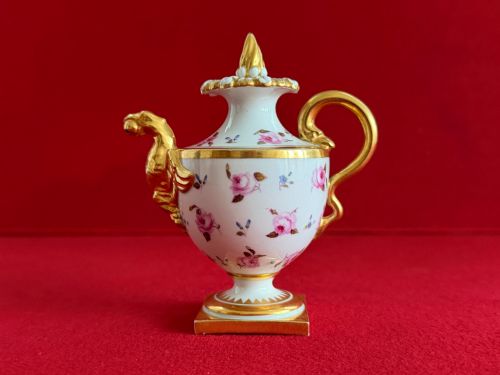
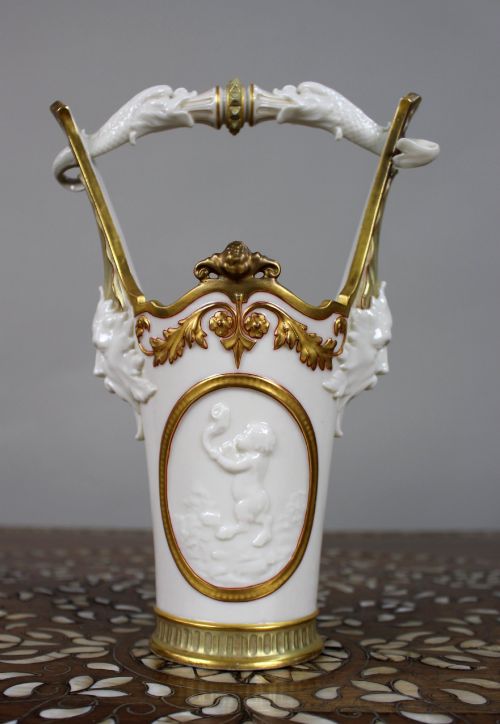
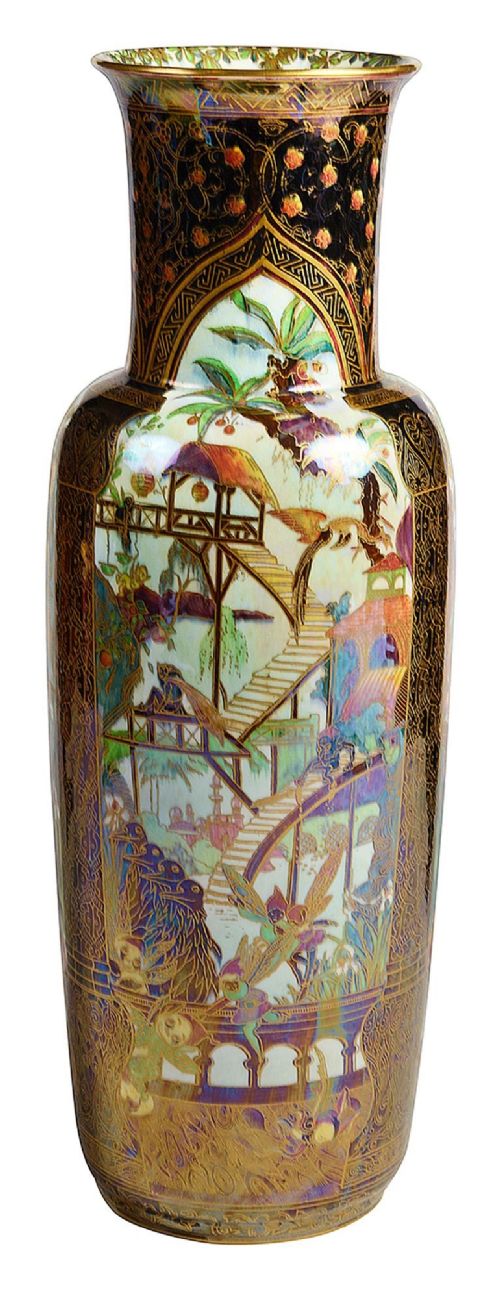
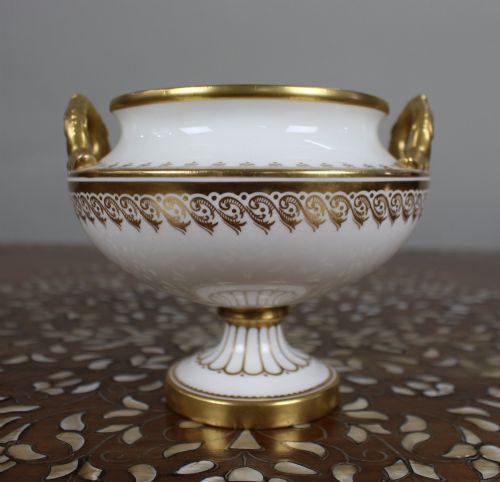
When you search for an English porcelain decorative vase, you encounter works ranging from compact cabinet pieces to grand urns, ewers, and jardinieres. The pieces recorded here span from the eighteenth century through the nineteenth century and into the twentieth century, capturing distinct aesthetic shifts over several hundred years.
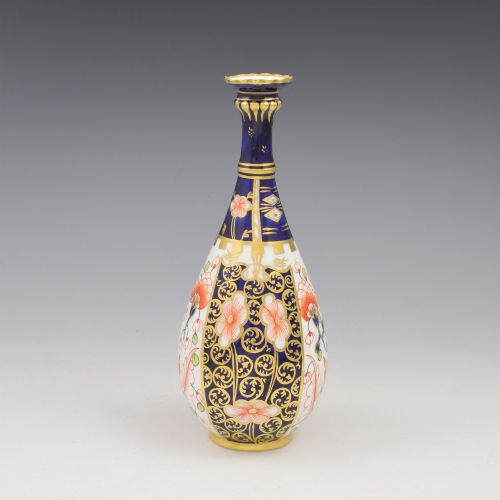
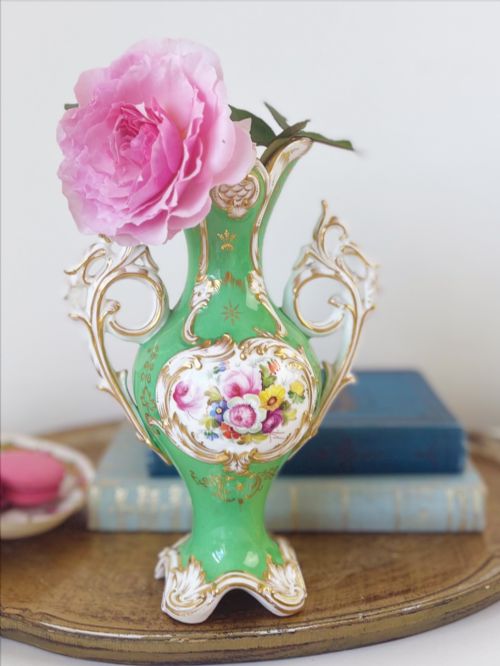
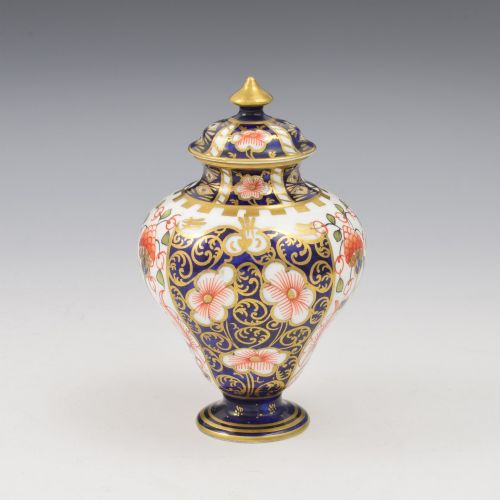
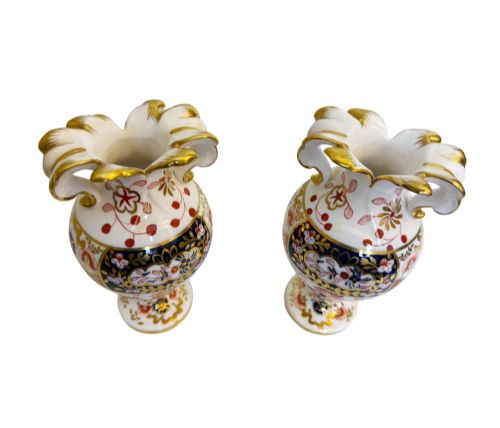
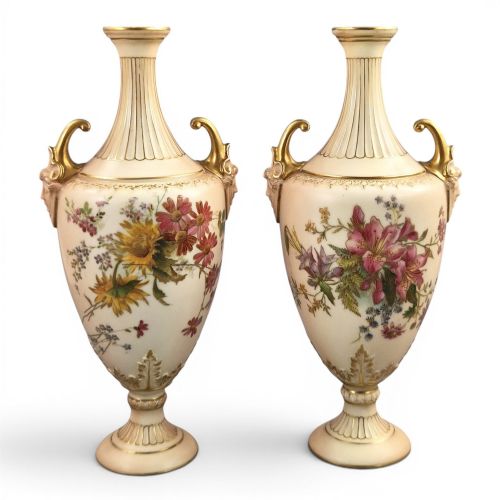
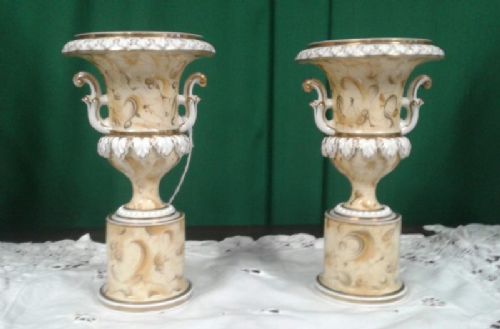
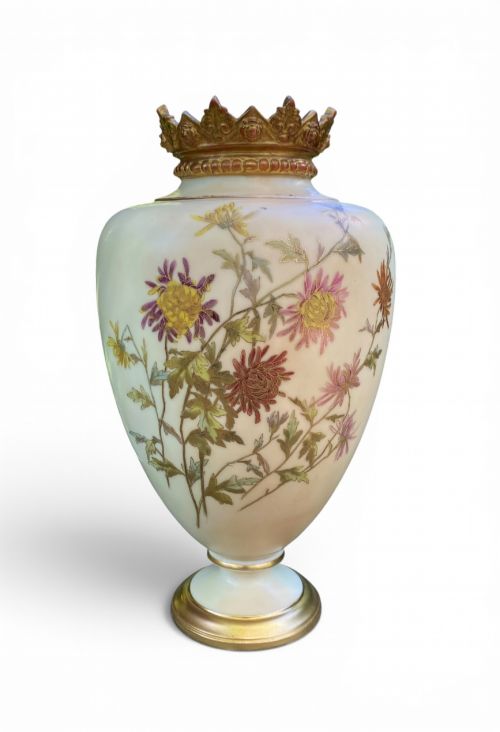
You are most likely to meet nineteenth-century and early twentieth-century examples, particularly painted floral patterns, Imari palettes, and blush ivory finishes. Forms such as campana urns, pot pourri vessels, and bud vases appear frequently across the periods.
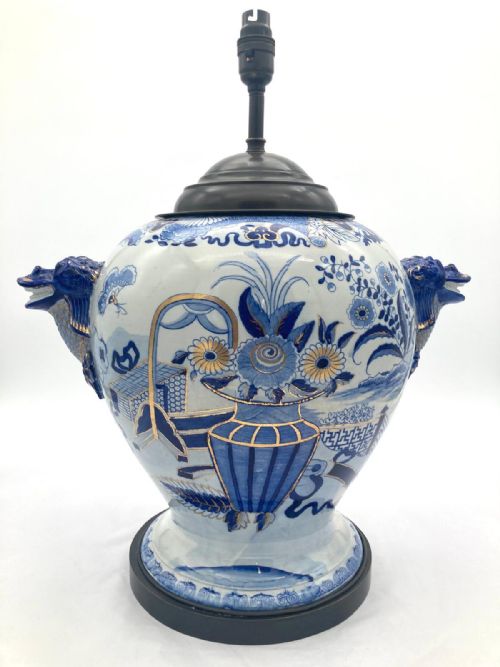
Makers and decorators utilised porcelain, bone china, and ironstone, sometimes incorporating enamel, gold leaf, and intricate gilding to achieve their finished appearance. These objects served primarily as interior ornament, reflecting the prevailing taste of Victorian, Edwardian, and Regency interiors.
Materials and Techniques
Potters shaped fine ceramic bodies using porcelain and bone china, occasionally employing robust ironstone for larger vessels. These bodies provided a smooth white ground suited to detailed overglaze painting and enamel decoration.
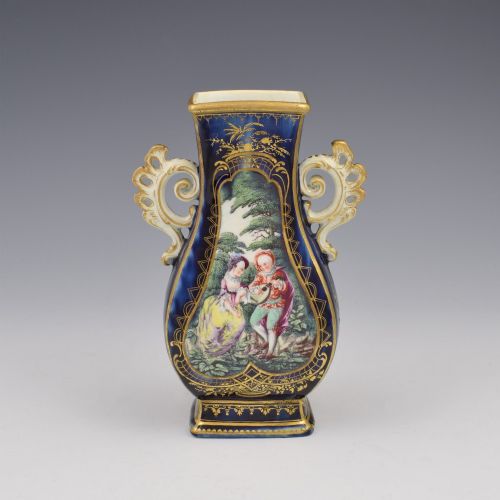
Artisans applied glaze to seal the surface before adding hand-painted scenes of flowers, landscapes, birds, and figures. Guilds of painters often signed their work, recording individual artistry on the ceramic surface.
Makers introduced gold leaf, heavy gilding, and enamel highlights to accent handles, rims, and panels. Firing techniques fixed these metallic and coloured additions into the glaze, securing the decorative finish.
Listings feature porcelain, bone china, and ironstone bodies, decorated with enamel, gold leaf, and glaze.
Evaluating Quality and Execution
The distinction between standard production and top-tier output lies in the ambition of the painting and the precision of the gilding. Hand-painted scenes by named artists command greater attention than transfer-printed designs or simple monochromatic glazes.
Form and proportion dictate the presence of quality, where well-modelled handles, balanced campana bodies, and crisp moulding separate exceptional vessels from plain utilitarian wares. The inclusion of matching covers and untouched gilding further defines the upper tier of survivals.
The reputation of the manufactory and the clarity of factory marks provide context for the standard of paste and kiln work. Finer bodies display thinner, more translucent walls and careful control during high-temperature firings.
Royal Worcester·Royal Crown Derby·Spode·Flight Barr And Barr·Coalport·Wedgwood
The English Porcelain Decorative Vase Glossary
- Campana
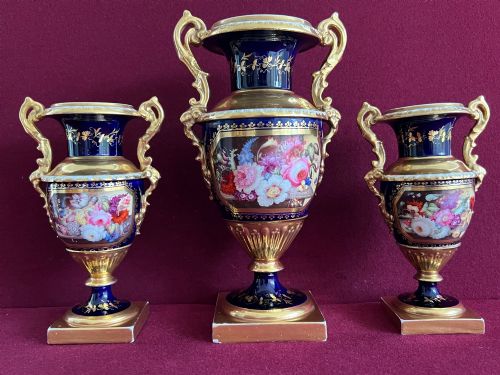
- A bell-shaped urn or vase form with an everted rim, popular during the Regency and Victorian periods. These vessels often feature twin handles springing from the lower body.
- Imari
- A decorative style inspired by Japanese export wares, featuring a palette of underglaze blue, iron red, and abundant gilt. It appears frequently on English porcelain from various factories.
- Blush Ivory
- A specialised porcelain finish developed by Royal Worcester, showing soft cream and pink tinted grounds often highlighted with gilt floral motifs. This technique became emblematic of late nineteenth and early twentieth-century taste.
- Pot Pourri
- A decorative vase or jar fitted with a pierced cover designed to diffuse scented dried petals into a room. These pieces often feature elaborate handles and hand-painted panels.
- Ewer
- A jug-shaped decorative vessel with a wide spout and an arched handle, frequently displayed alongside matching vases or basins. They showcase sculptural form alongside painted decoration.
English Porcelain Decorative Vase: Frequently Asked Questions
How do I identify a Regency period vase?
Regency era vessels often display classical shapes such as the campana urn or the Warwick vase, drawing inspiration from ancient Greek and Roman archaeology. Look for refined proportions, precise handles, and restrained classical motifs executed in fine porcelain or ironstone.
These pieces typically date from the early nineteenth century and reflect the architectural interests of the period. Makers from this era frequently utilised detailed hand-painted reserves alongside gilt accents.
What is blush ivory porcelain?
Blush ivory is a distinctive ceramic finish characterised by a soft, matte cream and peach-toned ground that mimics the warmth of ivory. It gained widespread popularity during the late nineteenth and early twentieth centuries, particularly through the production of Royal Worcester.
Decorators often combined this tinted ground with raised gold gilding and delicate floral painting. The technique created a subtle, naturalistic surface distinct from glossy white glazes.
Can I use these vases for fresh flowers?
Most antique decorative porcelain vases are intended primarily for display rather than daily utilitarian use with water. Historic glazes and internal joins may be sensitive to moisture, and nineteenth-century potting techniques differ from modern waterproof ceramics.
For pieces with converted lamp fittings or delicate enamel work, avoiding liquid entirely protects the material. If displaying botanicals, a discreet inner container prevents direct contact with the antique body.
How do I tell factory marks apart?
Factory marks typically consist of printed or painted ciphers, initials, or symbols stamped onto the unglazed base of the porcelain. Reference guides help match these symbols to specific periods and manufacturing houses.
Different eras employed distinct crown, crescent, or shield marks alongside pattern numbers. Comparing the style of the mark alongside the paste and painting style confirms the origin.