


Antique Porcelain Bud Vase
These antique porcelain bud vases are small ceramic vessels designed for single stems, bringing traditional craftsmanship and floral display into the home.
Antique Porcelain Bud Vase
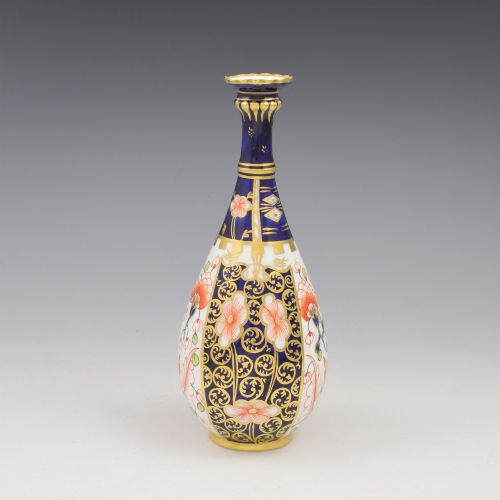
When you search for an antique porcelain bud vase, you encounter small decorative vessels designed to hold single stems rather than large arrangements. The pieces available range from Victorian and Edwardian examples to Japanese Imari designs, reflecting diverse aesthetic traditions from the late nineteenth and early twentieth centuries.
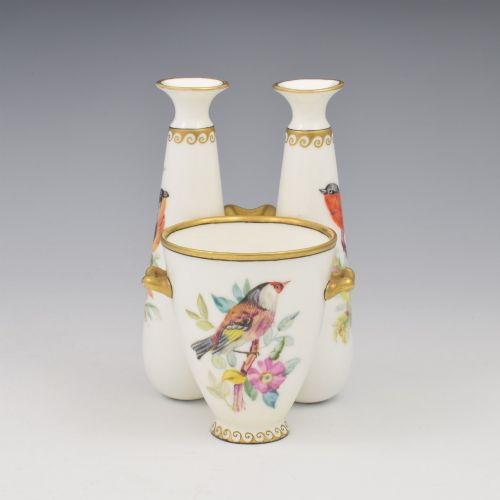
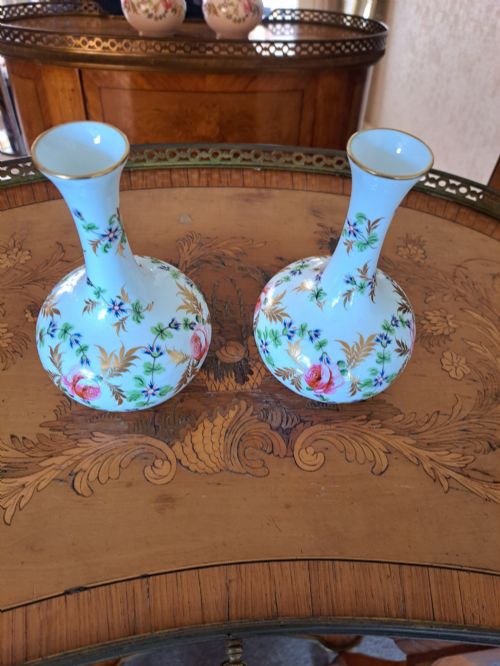
The forms span simple single stems to paired vessels and small trios, often decorated with intricate patterns such as the Imari palette or ornithological studies. Makers represented include Royal Crown Derby, Royal Worcester, Wedgwood, and Stevenson & Hancock, showing how both British potteries and Japanese workshops produced these small vessels for domestic interiors.
How they were made
These vessels employ porcelain and bone china bodies, shaped and fired to create a smooth, vitreous base suitable for detailed surface decoration. Some examples utilise earthenware bodies, particularly within specific decorative series.
Makers applied glazes, enamels, and gold leaf or gilding by hand to accentuate the motifs. Surface treatments range from hand-painted ornithological and fruit subjects to traditional Imari patterns involving iron red and cobalt blue.
Listings feature porcelain, bone china, and earthenware bodies decorated with enamel, glaze, and gold leaf.
What varies in quality
Quality rests on the precision of the hand-painted decoration and the delicacy of the porcelain body. Pieces featuring named artists or specific factory patterns show greater artistic ambition than standard production items.
The application of gilding and enamel work also distinguishes finer examples. Crisp detail in the painting and careful execution of traditional motifs indicate superior craftsmanship.
Royal Crown Derby·Royal Worcester·Wedgwood·Stevenson and Hancock·John Hopewell·Daisy Makeig-jones·Ricketts
The Antique Porcelain Bud Vase Glossary
- Bud vase
- A small vase designed to hold a single flower stem. These vessels typically feature narrow necks to support the stem upright.
- Imari
- A style of ceramic decoration originating in Japan and widely copied in Europe, characterised by a palette of cobalt blue, iron red, and gold. British potteries like Royal Crown Derby adopted this scheme extensively.
- Bone china
- A type of soft-paste porcelain containing bone ash, known for its high strength, chip resistance, and translucent white body. It became a staple material for British ceramic manufacturers.
- Gilding
- The application of gold leaf or gold powder to the surface of ceramics for decoration. Skilled application adds metallic brilliance and highlights specific design elements.
Antique Porcelain Bud Vase: Frequently Asked Questions
How do I identify periods for these vases?
Period identification relies on factory backstamps, stylistic markers, and recorded production dates. Victorian and Edwardian examples often feature specific factory marks associated with potteries like Royal Crown Derby and Royal Worcester.
Comparing the decorative style, such as Art Nouveau influences or traditional Imari patterns, helps narrow down the decade of manufacture.
How were these small vases used?
These vessels were designed to hold individual flower stems for display on tables, mantels, and sideboards. Their compact size made them suitable for smaller domestic spaces.
Beyond utilitarian floral display, they functioned as decorative ornaments that showcased ceramic artistry and enamel painting.
How should I care for an antique bud vase?
Care involves gentle cleaning with a soft cloth to protect delicate hand-painted surfaces, enamels, and gilding. Avoid harsh chemical cleaners or abrasive scrubbing that might damage the glaze.
Displaying the vase away from direct, continuous sunlight helps preserve the vibrancy of the original enamel colours and gold leaf details.