


English Porcelain Centrepiece
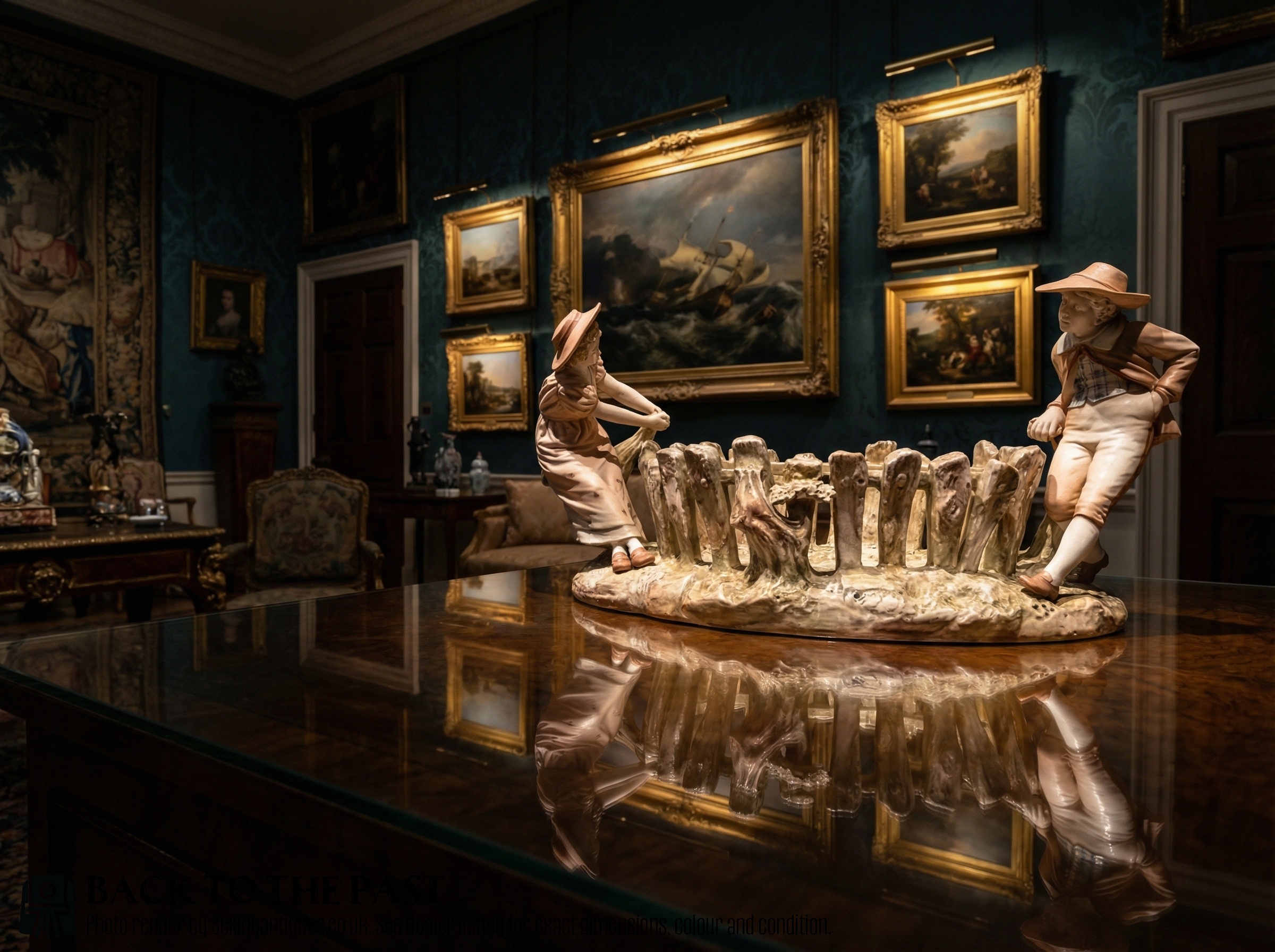
An English porcelain centrepiece commands the middle of a dining table with modelled porcelain, painted landscapes, and gilded handles.
English Porcelain Centrepiece
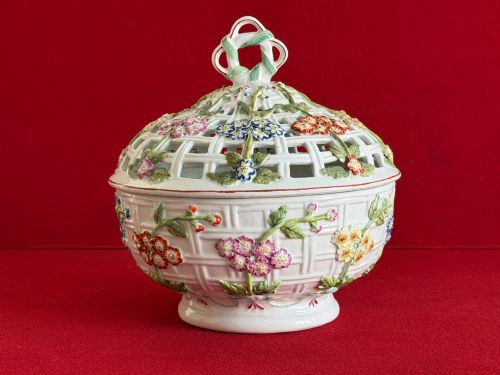
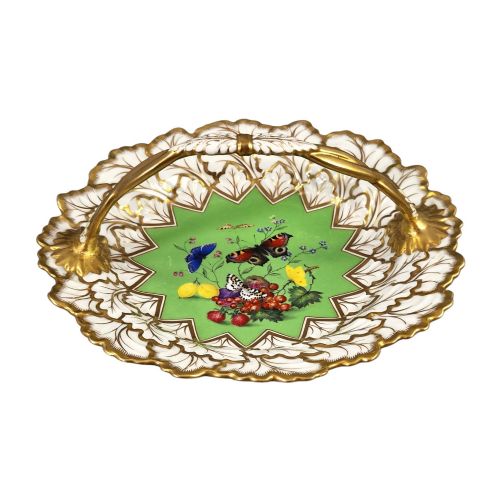
An English porcelain centrepiece brings together ornamental vessels designed to anchor a formal table setting, ranging from decorative baskets and footed comports to large tureens and open bowls. The pieces span periods from the eighteenth century through the Georgian, Regency, and Victorian eras into the twentieth century.
Most examples encountered here take the form of elaborate serving dishes, flower-encrusted baskets, or cabinet bowls originating from notable factories. These objects functioned historically as both containers for food and sculptural displays of ceramic artistry.
Materials and construction
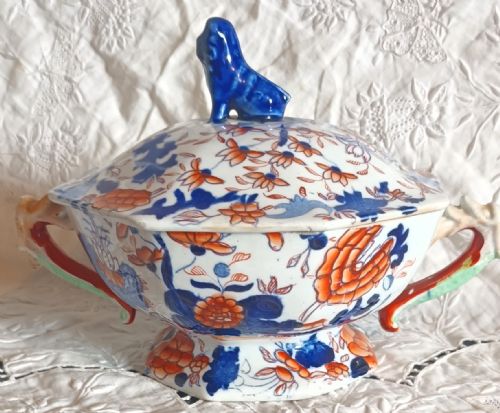
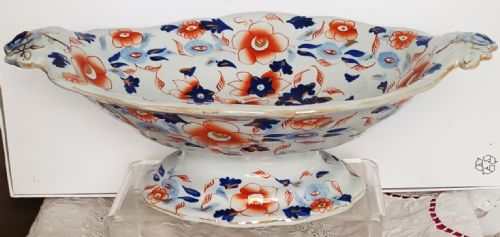
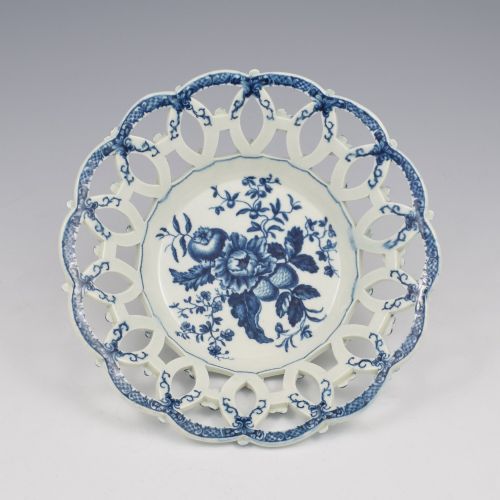
Makers utilised porcelain, soft-paste porcelain, and ironstone, shaping the clay into pierced baskets, urns, and pedestal comports. Many items incorporate applied floral details, hand-painted landscapes, and moulded elements.
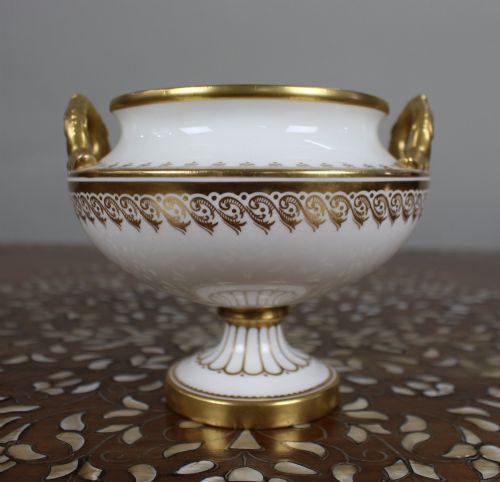
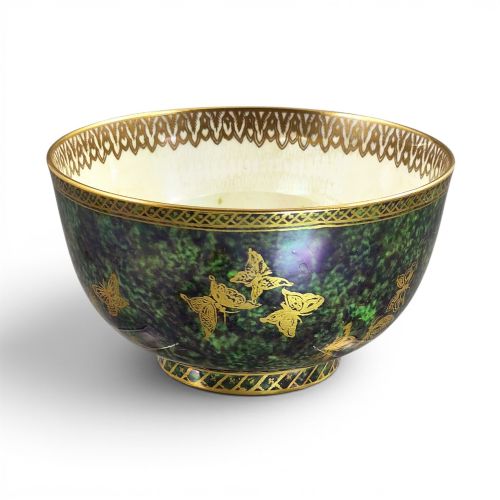
Surface decoration relies heavily on gold leaf, gilt, and gilding to highlight handles, rims, and moulded panels. Enamel colours provide the palette for botanical studies, topographical views, and patterned motifs.
A porcelain fox and rabbit share a single dish, watching each other across the rim.
Distinctions in craftsmanship
The standard of an English porcelain centrepiece rests on the crispness of the moulding and the control shown in hand-painted details. Finer pieces demonstrate precision in landscape miniatures or botanical studies rather than repetitive transfer printing.
The application of gilding and the delicacy of applied elements such as leaves and cherubs separate standard production from superior examples. Preservation of the original gilding and the absence of clumsy restoration determine the standing of a piece.
Derby Porcelain·Flight Barr And Barr·Mason Ironstone·Wedgwood·Coalport·Rockingham Porcelain·Chamberlain Worcester·Royal Worcester·Royal Crown Derby·Ridgway Porcelain·Minton·Royal Doulton
The English Porcelain Centrepiece Glossary
- Comport
- A raised dish or bowl on a foot, used for serving fruit or dessert. These stand higher than standard table bowls to create tiered arrangements.
- Ironstone
- A heavy, durable type of earthenware patent-registered in the nineteenth century. It provides a robust body often decorated with vibrant enamel patterns.
- Soft-paste porcelain
- An artificial ceramic composition fired at lower temperatures than true hard-paste porcelain. It exhibits a warm glaze and a slightly softer body found in eighteenth-century pieces.
- Sweetmeat stand
- A small tiered or divided dish intended for serving confectionery, nuts, or small sweet morsels. They appear frequently in early porcelain production.
- Gilding
- The application of gold leaf or powdered gold to the surface of ceramic pieces. It outlines rims, handles, and decorative panels.
English Porcelain Centrepiece: Frequently Asked Questions
What was an English porcelain centrepiece used for?
These vessels stood in the middle of dining tables during formal meals to hold fruit, sweetmeats, or flowers. They served as decorative focal points that demonstrated the host's taste and means.
As dining habits changed, many transitioned into cabinet pieces or ornamental displays on sideboards and consoles.
How do I identify eighteenth-century pieces?
Look for the characteristics of soft-paste porcelain bodies, hand-potted construction, and underglaze blue or early enamel palettes. Factory marks from this era are often hand-painted rather than printed.
Form and weight also offer clues, as eighteenth-century comports and baskets tend to have distinct potting irregularities compared to later Victorian output.
Are ironstone centrepieces durable?
Ironstone is a dense, heavy ceramic material developed to withstand regular use while mimicking porcelain. It resists chipping better than soft-paste bodies.
Despite its strength, ironstone centrepieces still require careful handling to preserve the hand-painted enamel and gilt decoration on the surface.
How should I display a centrepiece safely?
Place the vessel on a stable, level surface away from direct sunlight and high-traffic areas where it might be knocked. Ensure the support can take the considerable weight of ironstone or large porcelain bowls.
Avoid placing delicate flower-encrusted baskets or open handled urns near edges where protruding parts risk impact.