




English Painted Furniture
English painted furniture brings domestic history into colour, offering functional chests, tables and cupboards layered with original pigments.
What English painted furniture is
English painted furniture encompasses utilitarian and formal domestic pieces finished with decorative coats, spanning from the seventeenth century through the Victorian era. When you search for English painted furniture, you encounter practical items built for everyday use in domestic interiors.
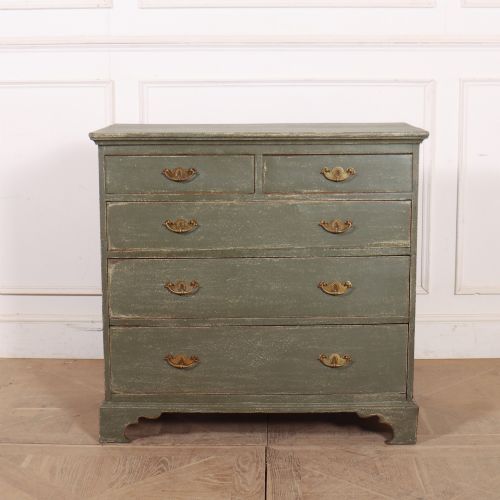
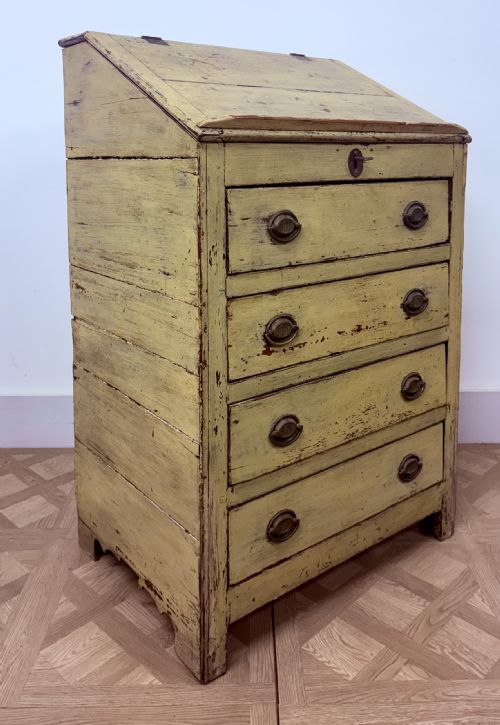
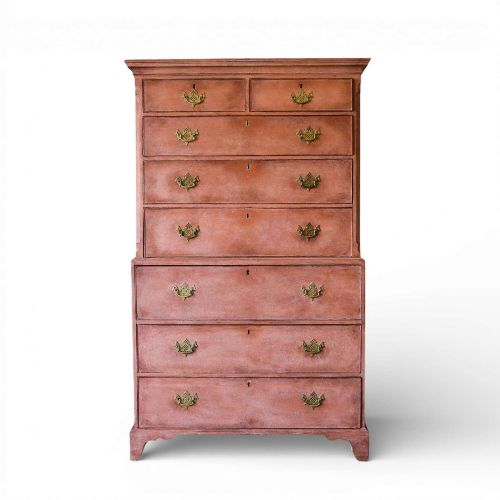
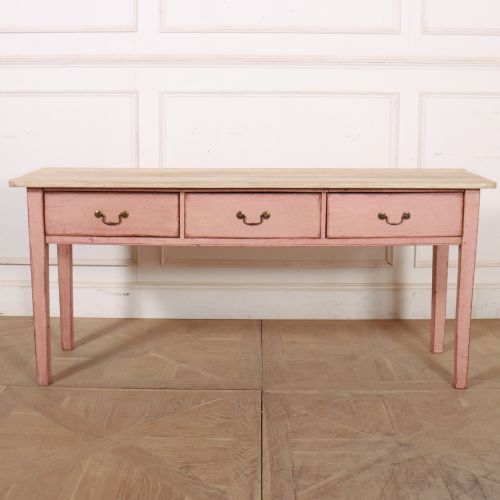
The pieces on this page include console tables, chests of drawers, dresser bases, corner cabinets, washstands and sideboards from the eighteenth and nineteenth centuries. Earlier archive examples demonstrate that regional seating, settlers and storage chests also form part of this tradition.
Makers utilised available local woods such as pine, ash, beech and general timber to construct these forms. Surfaces then received layers of paint, sometimes complementing marble tops, brass fittings, glass and metal details.
How they were made
Carpenters constructed these items using solid timber boards like pine, ash and beech, shaping carcases and frames to withstand daily household wear. Joinery methods relied on traditional pegging, dovetailing and framing suited to the specific object type.
Surface finishing involved the application of traditional paint layers directly onto the timber, often in domestic colours that defined regional interiors. Hardware such as brass handles, metal hinges and glass panels were then integrated into storage forms and display pieces.
Retail Price Guide 2026
Typical UK retail prices for english painted furniture, calculated from the Sellingantiques database of over a million retail prices indexed since 2003. This retail price guide relies exclusively on Sellingantiques data; no external sources or auction records are used, so the figures do not describe the wider market.
Early country seating includes an eighteenth century ash child's chair alongside heavy pine chicken coop settles.
What varies in quality
Quality in these pieces rests upon the integrity of the original construction and the preservation of early painted surfaces. Pieces retaining undisturbed historic pigment show greater integrity than those altered by later stripping or heavy repainting.
The refinement of the joinery and the selection of secondary timbers distinguish basic utility items from more ambitious country house commissions. Finer items integrate balanced proportions, well-fitted drawers and complementary materials like marble tops or brass hardware.
The English Painted Furniture Glossary
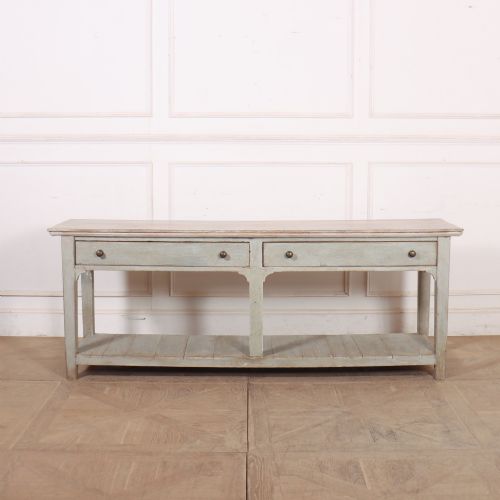
- Potboard Dresser Base
- A kitchen or dining storage base featuring an open lower shelf historically used for storing pots and domestic utensils.
- Corner Cupboard
- A cabinet designed specifically to fit snugly into the corner of a room, saving floor space while offering display or enclosed storage.
- Washstand
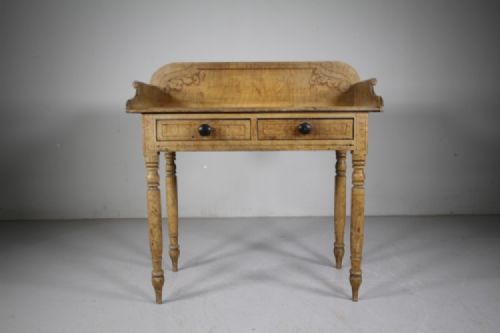
- A dedicated piece of furniture designed to hold a basin and pitcher for personal washing, frequently featuring protective marble tops.
- Settle
- An enclosed wooden bench with high backs and arms, designed to block draughts in older domestic halls.
- Coffer
- A large heavy wooden chest used for storing valuables, linens or dry goods, usually fitted with a hinged lid.
Frequently Asked Questions
What periods do these pieces cover?
The selection spans from the late seventeenth century through the eighteenth century and into the nineteenth century and Victorian period.
Items range from early country pine coffers and settles to later console tables, washstands and servers.
What materials were used?
Construction relies primarily on painted wood, pine, ash, beech and general timber frameworks.
Surface decoration incorporates historic paint, while individual items may feature marble tops, brass fittings, metal elements and glass.
How were corner cupboards used?
Corner cupboards provided practical storage that utilised unused angles in rooms without cluttering central floor space.
Two-part examples allowed for upper display shelving and lower enclosed cupboards to hold household ceramics or provisions.
How do I identify a washstand?
Washstands are identified by their specific utility purpose, frequently incorporating water-resistant marble tops to protect the timber underneath.
They provided a stable surface for washing equipment in bedrooms before plumbed bathrooms became standard.