


English Oak Turned Chair
An English oak turned chair brings centuries of domestic craft into a room through stout joinery and shaped spindles.
English Oak Turned Chair
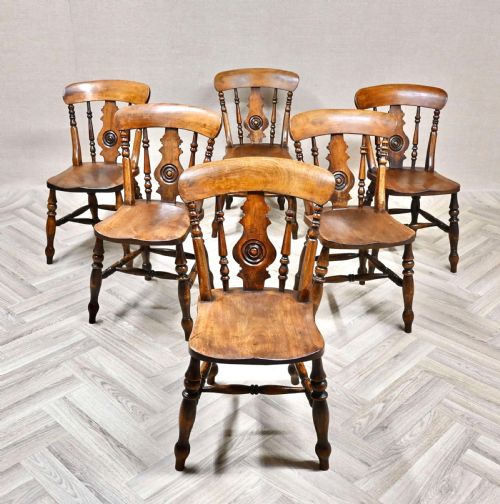
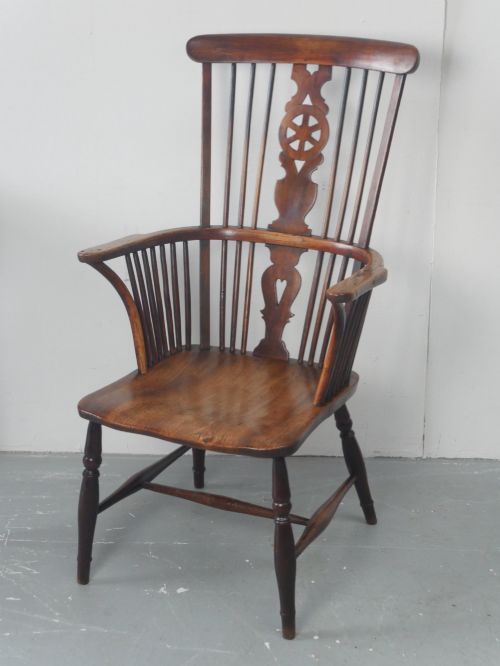
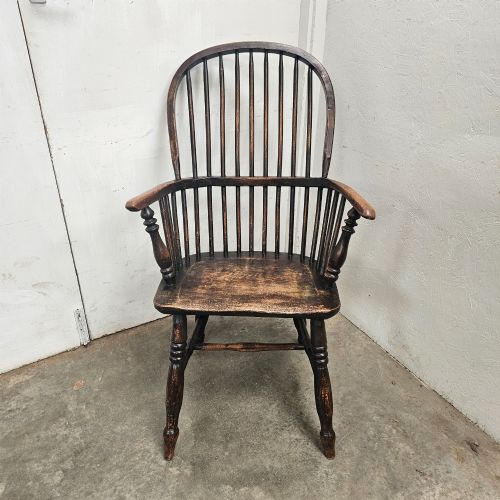
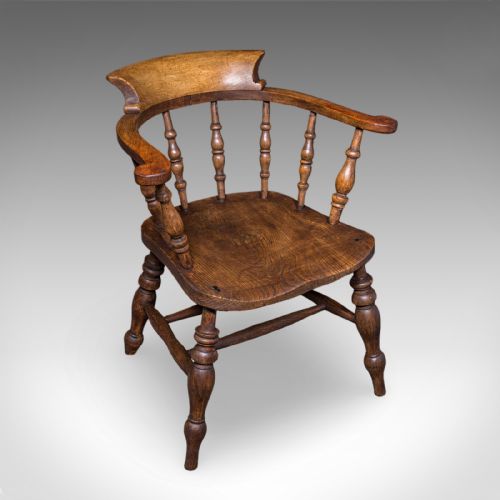
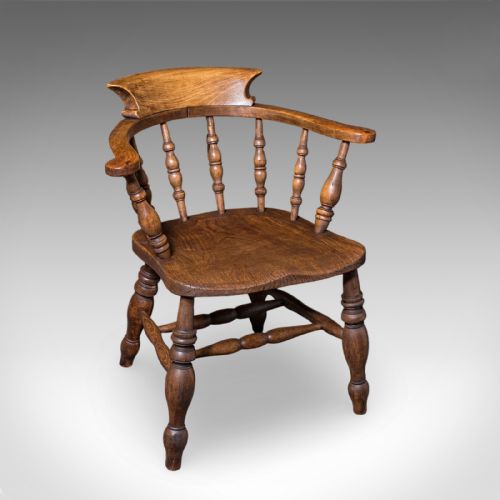
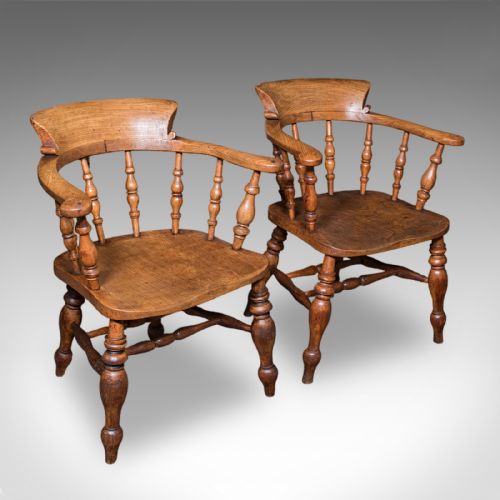
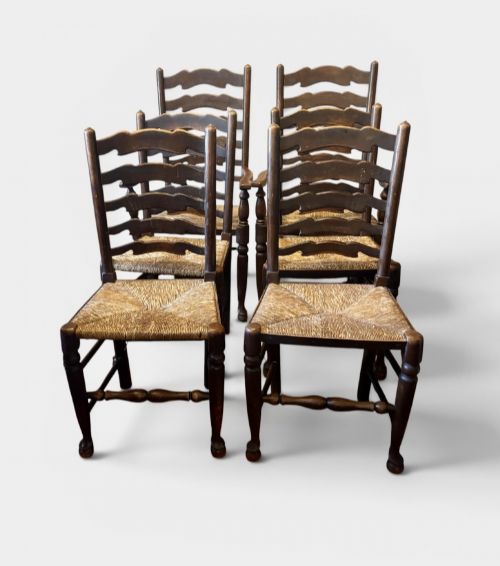
An english oak turned chair represents domestic seating forged from heavy timber and shaped by lathe work, spanning forms from seventeenth century styles to nineteenth century revivals. You encounter low side seats, elbow seats, and robust armchairs rooted in vernacular British traditions.
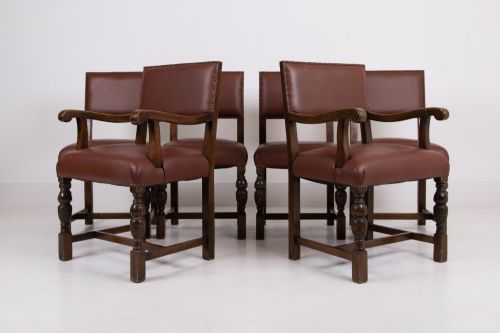
The selection ranges across distinct periods including seventeenth century origins, eighteenth century examples, and Victorian interpretations alongside later revivals. These pieces encompass functional kitchen formats, fireside rockers, and formal dining suites.
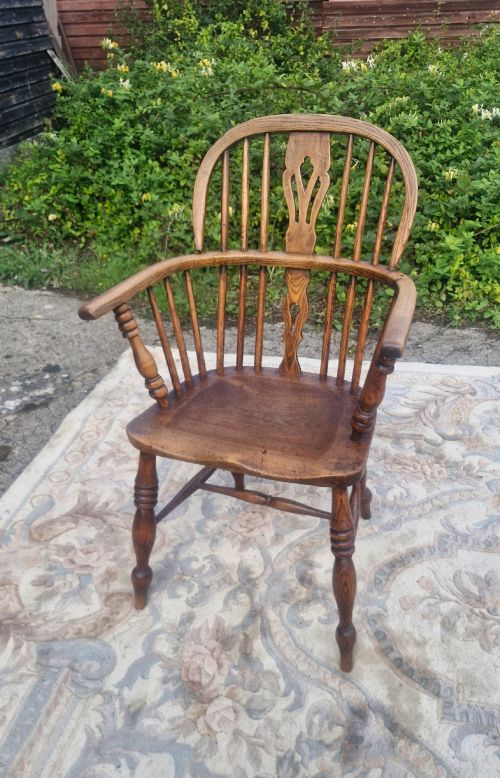
Originating within English country houses, farmhouses, and vernacular workshops, these seats prioritize structural resilience. The forms vary from low back windsor layouts to upright bobbin and spindle arrangements.
How they were made
Constructed primarily from solid oak augmented by secondary timbers like elm, ash, beech, and rush, these seats rely on dense hardwoods for structural integrity. Woodturners shaped individual spindles and stretchers on a lathe before assembling the components with pegged mortise and tenon joints.
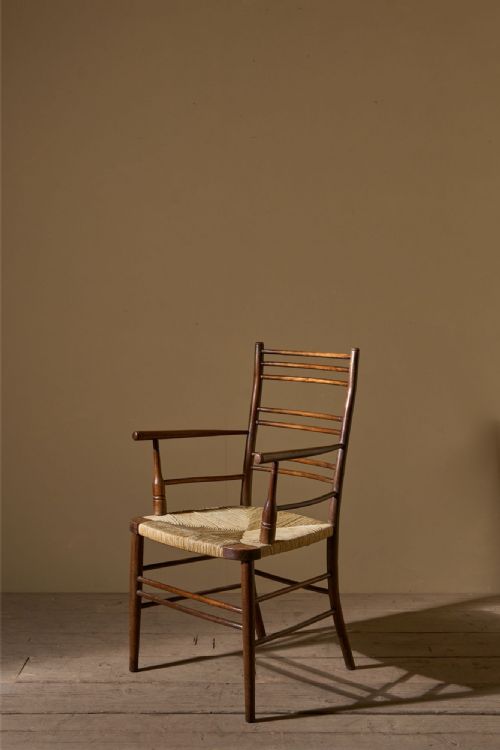
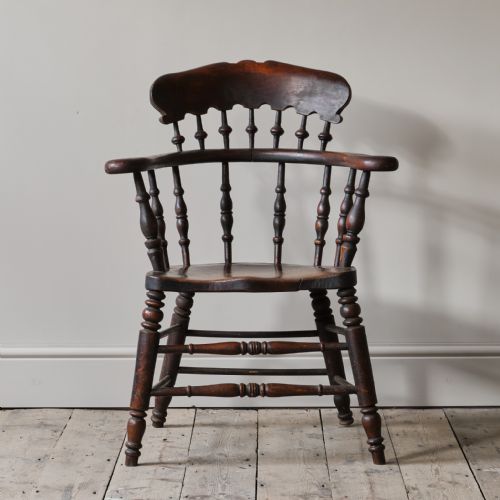
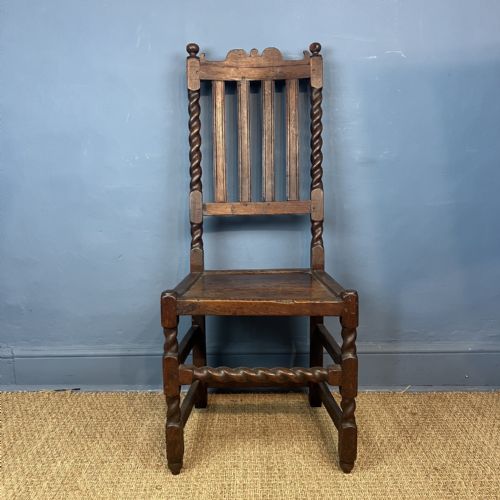
Surface details often incorporate turned bobbin patterns, carved crest rails, and woven rush or leather pads. Natural grain patination develops from centuries of handling and application of traditional oils or waxes.
The inventory spans seventeenth century vernacular seating, Victorian interpretations, and Arts and Crafts movements.
What varies in quality
The distinction between ordinary and exceptional examples rests upon the crispness of the lathe turning and the integrity of the original framing timber. Uniformity in matching sets and the retention of early surfaces elevate the stature of a piece.
Proportion and wood selection dictate visual harmony, where dense grain patterns and robust undercarriages outlast lighter, heavily restored equivalents.
The English Oak Turned Chair Glossary
- Turned chair
- A seat constructed predominantly from components shaped on a woodturning lathe rather than carved from flat planks. These pieces often feature intricate spindle work and heavy structural stretchers.
- Bobbin
- A cylindrical turning shape resembling a spool of thread, frequently repeated along the legs and stretchers of seventeenth and nineteenth century seating. This decorative profile defines specific vernacular styles.
- Windsor
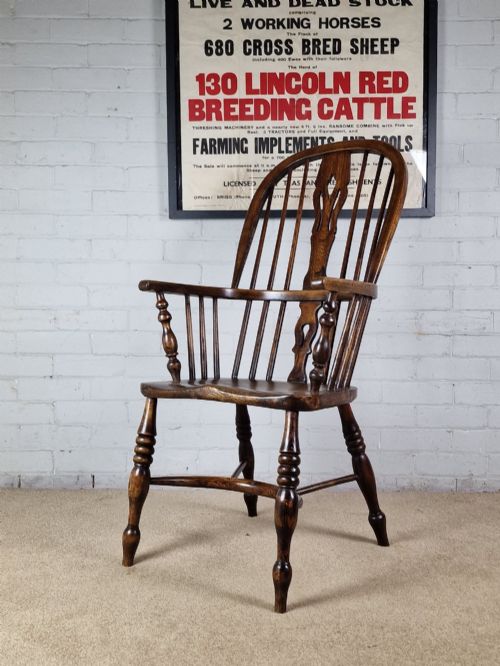
- A traditional chair type featuring a solid wooden seat into which the legs and back spindles are independently tenoned. They appear in various regional formats with low or high backs.
- Rush seat
- A seating surface woven from dried marsh rushes wound around a wooden frame. This technique provides a resilient and pliable support common in country furniture.
- Backstool
- An early form of seating without arms, effectively an upholstered or wooden chair precursor to the modern dining seat. They emerge frequently in seventeenth century contexts.
English Oak Turned Chair: Frequently Asked Questions
How do I date an oak turned chair?
Dating relies on observing construction methods, tool marks, and wood shrinkage patterns alongside specific stylistic markers like bobbin profiles or crest rail carving. Earlier seventeenth century examples display hand-split timber traits and pegged joints distinct from later nineteenth century revival interpretations.
Secondary woods and wear patterns around the footings provide further clues to age. Comparing joinery against documented period exemplars confirms the timeline.
Were these chairs used for dining?
Many sturdy oak chairs served communal dining roles in large farmhouses and country estates, often surviving in sets or near matches. Side chairs and ladder back formats populated dining halls before specialised suites became common.
Armchairs more typically served as fireside or captain seats for heads of household. Their substantial weight suited permanent placement around heavy tables.
How should I care for historic oak?
Maintain stable indoor humidity levels away from direct heat sources to prevent the ancient oak timber from splitting or warping. Apply microcrystalline wax sparingly to nourish the surface without attracting dust.
Avoid modern liquid polishes that can degrade the historic patination. Gentle dusting with a dry cloth preserves the finish.