


English Oak Low Stool
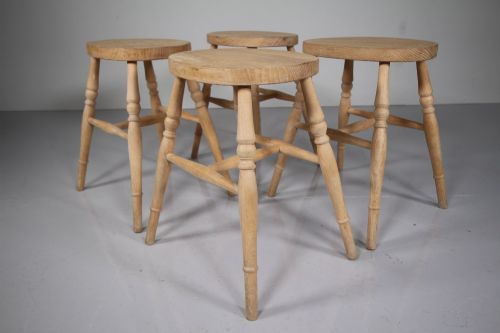
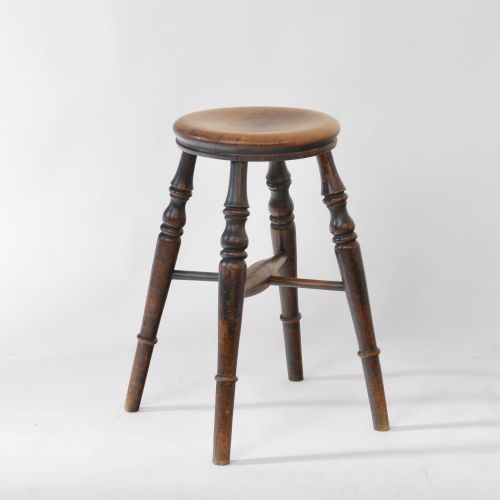
These english oak low stool examples offer solid timber construction and honest vernacular forms suited to traditional and modern interiors alike.
English Oak Low Stool
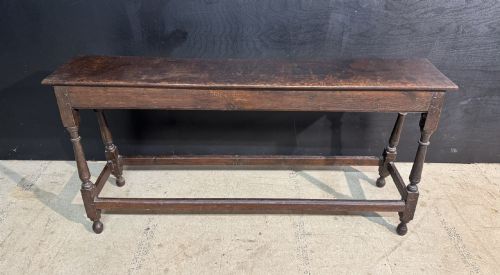
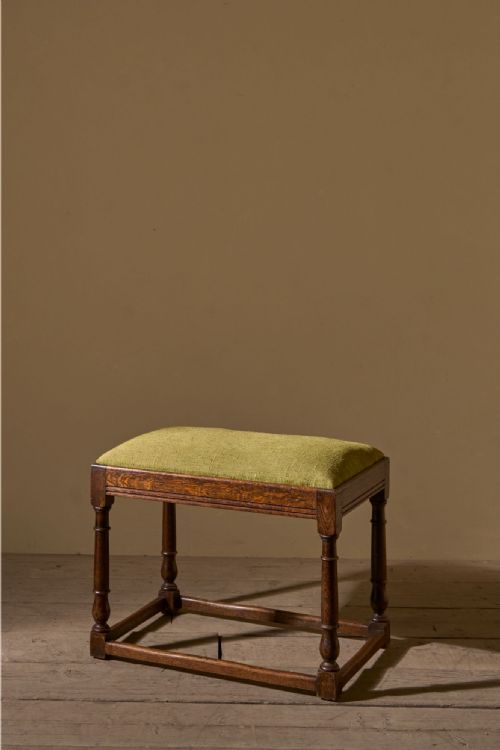
The most common versions on this page date from the Georgian and Victorian periods, alongside Edwardian examples and 1920s reinterpretations. Many feature straightforward rectangular tops, while others present extended proportions or upholstered surfaces covered in linen, fabric, or cane.
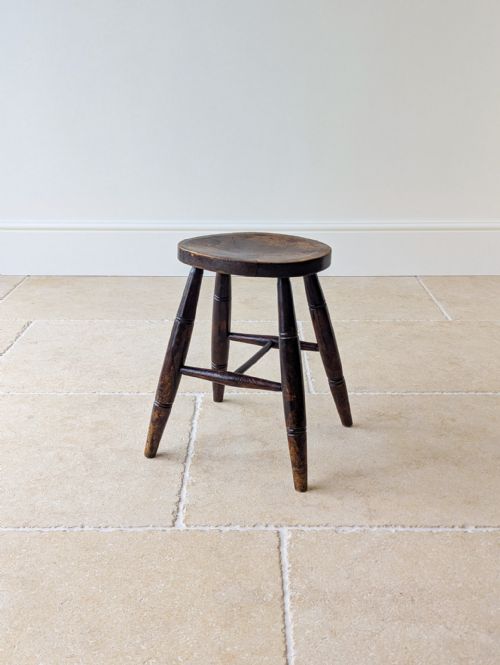
Form follows function closely in these designs, which often double as low side tables or dining stools. Regional variations appear in the turning of the legs and the choice of secondary timbers such as elm, sycamore, and beech alongside the primary oak.
Materials and construction methods
Carpenters built these pieces primarily from solid oak, frequently supplemented with elm, sycamore, or beech for seats and structural members. Timber selection depended on regional availability and the specific requirements of the stool, whether for heavy tavern use or refined parlour seating.
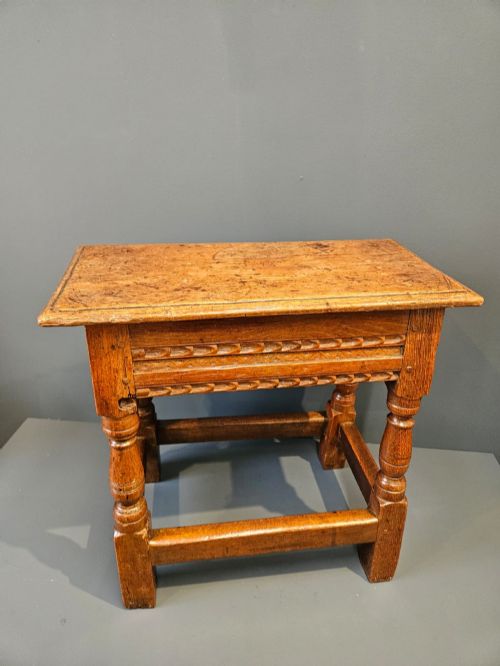
Joinery methods rely heavily on traditional mortise and tenon joints secured with wooden pegs, particularly visible in joint stools dating from the seventeenth century through the Georgian era. Turned legs and stretcher bases provide rigidity without excessive hardware.
Upholstered variants incorporate heavy linen, woven fabric, or cane webbing stretched over timber frames. These textile elements reflect the prevailing tastes of the Edwardian and Victorian periods, utilising local materials to soften the hard wooden structures.
One tavern stool spent its youth dodging spilled ale before retiring to a quiet life as a very low side table.
Assessing quality in antique low stools
Quality rests primarily in the integrity of the timber and the tightness of the original joinery. Pieces that retain their structural firmness without excessive replacement timber demonstrate superior craftsmanship by the original rural or town carpenter.
The proportion and sculptural quality of the turned legs or stretcher rails distinguish finer examples from utilitarian workshop output. Finer items exhibit balanced dimensions and careful surface finishing that respects the grain of the oak.
Patina accumulated through decades or centuries of use contributes significantly to the character of better specimens. Original surface treatments and minimal timber intervention preserve the historical value of the piece.
Harry & Lou Epstein·David Oakleafman Langstaff
The English Oak Low Stool Glossary
- Joint stool
- A sturdy wooden stool constructed with mortise and tenon joints, originally used for sitting or serving food in early British households. These items frequently display turned legs and peg construction.
- Jacobean Revival
- A nineteenth-century style mimicking the heavy, carved aesthetic of the early seventeenth century. Makers utilised dark oak and geometric ornamentation to evoke an earlier era.
- Sycamore
- A dense hardwood belonging to the maple family, often utilised for seat boards and vernacular furniture in tavern and farmhouse contexts. It provides a pale, smooth surface that contrasts with darker oak frames.
- Cane footstool
- A low seat featuring a woven cane panel inset into the wooden frame. This technique lightened the visual weight of the furniture during the Edwardian period.
- Windsor Boston stool
- A regional seating form incorporating turned spindles and a saddled wooden seat. These pieces draw on traditional Windsor chair construction methods adapted for a low stool format.
English Oak Low Stool: Frequently Asked Questions
What is a joint stool?
A joint stool is a sturdy wooden seat built with pegged mortise and tenon joinery rather than glued joints. These pieces date back to the seventeenth century and earlier, serving multiple domestic functions.
Their heavy construction allowed them to double as small tables or mounting blocks in traditional British homes before becoming collectible decorative objects.
How do I date an oak stool?
Dating relies on observing construction marks, timber shrinkage, leg turning styles, and overall wear patterns. Earlier pieces from the seventeenth and eighteenth centuries show hand-tool marks and pegged joinery.
Later Victorian and Edwardian revivals often utilise machine-sawn timber and softer secondary woods, while twentieth-century examples incorporate distinct modernist or revivalist design cues.
Can I use these stools daily?
Most antique low stools remain structurally sound and suitable for daily seating or use as low side tables. Solid oak and elm construction provides enduring strength for everyday environments.
Care should be taken with upholstered or cane-seated variants to protect fragile textiles and woven panels from excessive weight or sharp impacts.
What woods were used?
Oak serves as the primary structural timber across the majority of these pieces, providing strength and a pronounced grain pattern. Secondary woods such as elm, sycamore, beech, and pine frequently appear in seat boards and internal framing.
This combination reflects traditional rural woodworking practices where makers utilised local timber resources for different parts of the furniture.