


English Oak Hall Chair
When you choose an english oak hall chair, you bring centuries of sturdy craftsmanship and distinct regional character into your hallway or entrance.
English Oak Hall Chair
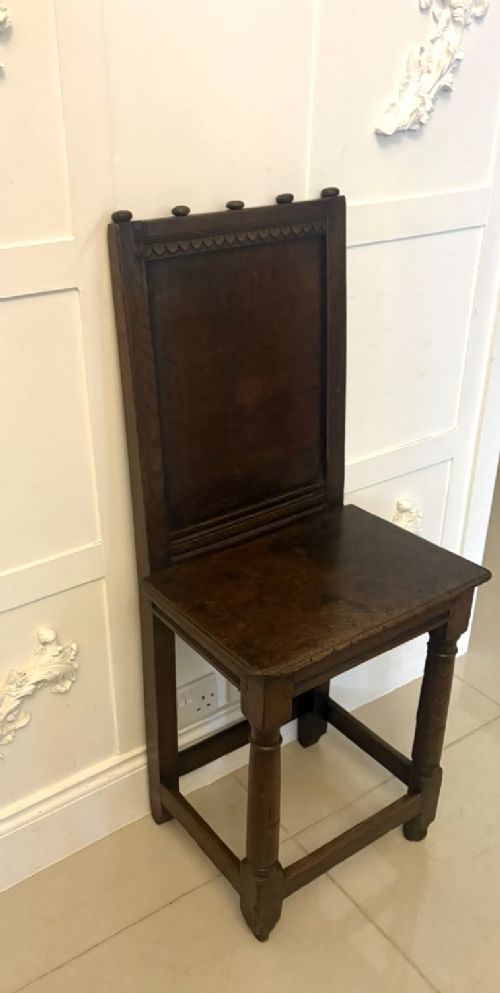
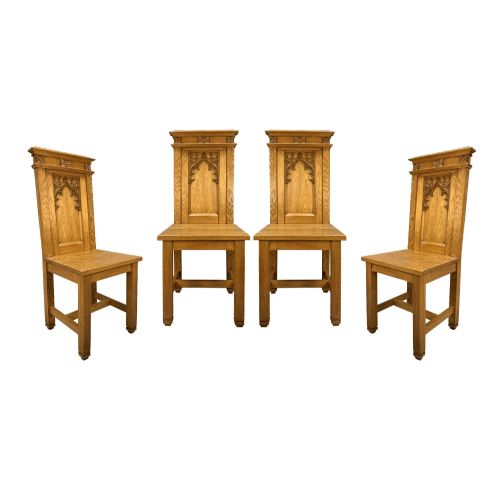
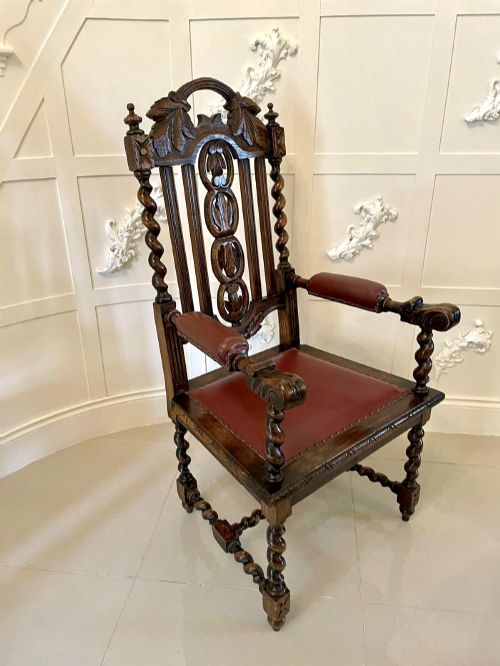
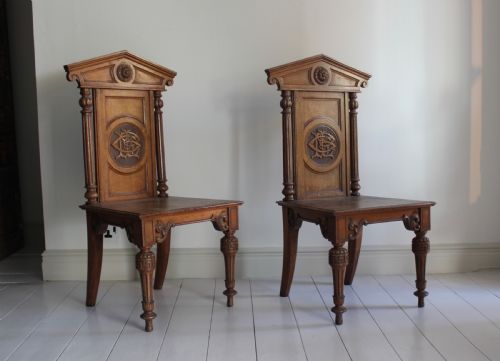
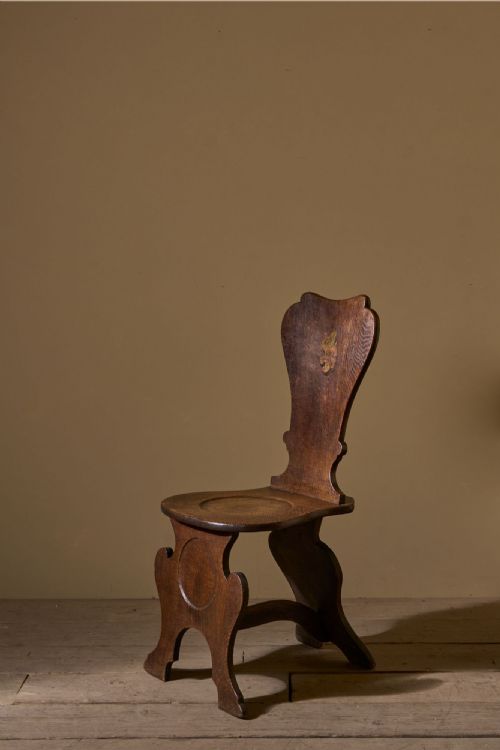
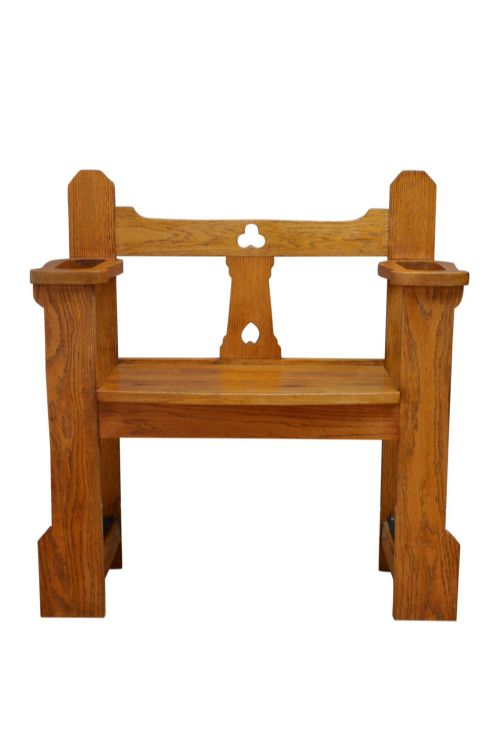
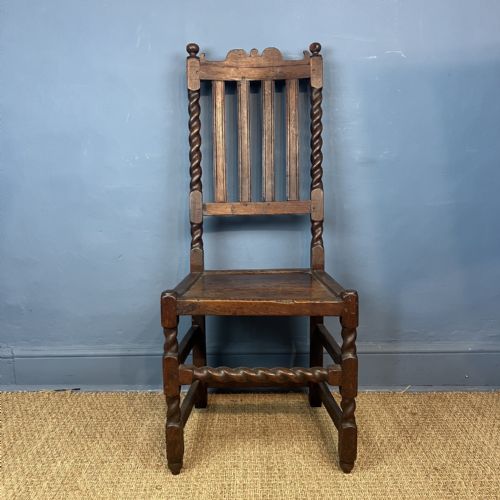
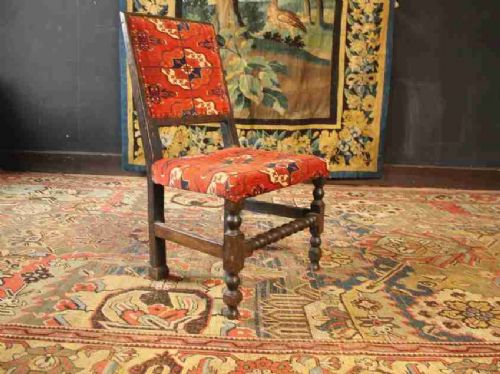
An english oak hall chair serves as a functional and decorative seat designed for the entrance of a home, frequently taking the form of upright side chairs or solid wainscot armchairs. These pieces span multiple centuries, capturing shifts in domestic life from early seventeenth-century joinery to nineteenth-century Gothic Revival tastes.
Buyers will encounter various regional expressions alongside formal styles, including Lancashire spindle backs, South Yorkshire backstools, and shield back designs. The selection moves from simple country seats to heavily carved Victorian ecclesiastical examples meant to impress visitors upon arrival.
Assessing Quality and Authenticity
The distinction between ordinary and exceptional pieces rests on the integrity of the original joinery and the crispness of any hand carving. Untouched surfaces with honest patination command greater appreciation than heavily refinished or overly restored timber frames.
Proportion and structural balance also dictate the standing of a piece, particularly in matched pairs where symmetry and matching grain patterns matter. Early examples retain original fixings and timber movement that reveal the hand of the period maker.
Object forms include side chairs, wainscot armchairs, monks benches, and backstools constructed with panelled backs and turned supports.
Mouseman
The English Oak Hall Chair Glossary
- Wainscot chair
- A heavy wooden armchair constructed with panelled backboards, originating in the sixteenth and seventeenth centuries. These sturdy seats represent some of the earliest domestic seating forms.
- Backstool
- An early term for an upholstered or wooden single chair without arms, essentially an evolution of the stool with the addition of a back. They are frequently found in seventeenth-century contexts.
- Bobbin turning
- A form of furniture leg or stretcher shaped on a lathe to resemble a series of bobbins or spools linked together. This decorative technique appears prominently on seventeenth-century pieces.
- Gothic Revival
- An architectural and decorative style popular during the Victorian era that drew inspiration from medieval forms. Pieces in this style often feature pointed arches, tracery, and heavy carved oak.
- Splater
- The upright central strip of wood in the middle of a chair back, designed to support the sitter. It often carries decorative carving or shaped contours.
English Oak Hall Chair: Frequently Asked Questions
Where should I place an english oak hall chair?
These chairs work exceptionally well in entryways, hallways, or narrow corridors where their upright posture and narrow proportions make a strong visual statement without blocking walkways.
They also function effectively as occasional seating in studies or living rooms, offering a tactile connection to historical craftsmanship.
How do I care for an antique oak chair?
Maintain the timber by keeping the chair away from direct heat sources and sudden humidity changes that can cause the wood to split or warp. Regular dusting with a soft cloth and occasional application of traditional beeswax help preserve the natural patina.
Avoid modern liquid polishes that build up a residue and dull the historic finish over time.
Are these chairs comfortable for daily use?
Historic hall chairs were primarily designed for brief seating or decorative display rather than lounging, meaning their wooden or rush seats are firm and upright. Their supportive high backs encourage good posture if utilised at a desk or hallway table.
If extra comfort is required, a simple custom cushion can be added without altering the permanent structure.
How can I tell a seventeenth-century chair from a Victorian copy?
Early seventeenth-century pieces display authentic tool marks, peg construction, and natural timber shrinkage consistent with age, whereas Victorian revivals often feature machine-cut elements and regular symmetry. The colour and depth of the polish on older joined oak develop a distinctive warm sheen through centuries of handling.
Examining the underside and joints reveals the construction methods and materials typical of each specific period.