



English Oak Display Cabinet
An English oak display cabinet brings warmth and practical storage to a room through centuries of traditional joinery and rich timber.
English Oak Display Cabinet
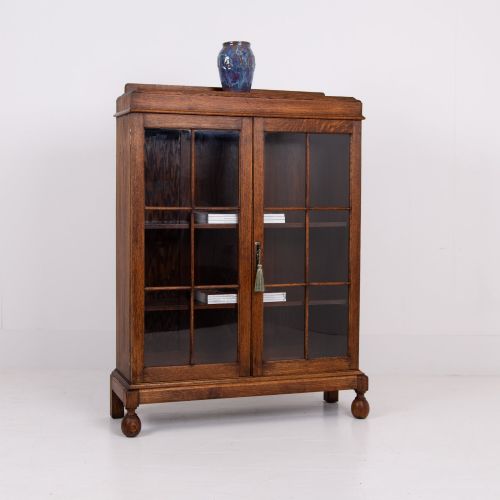
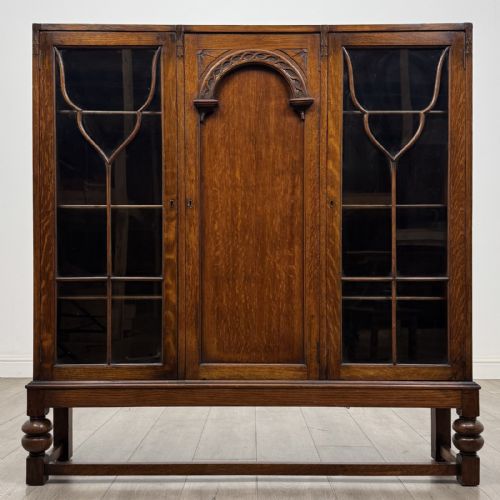
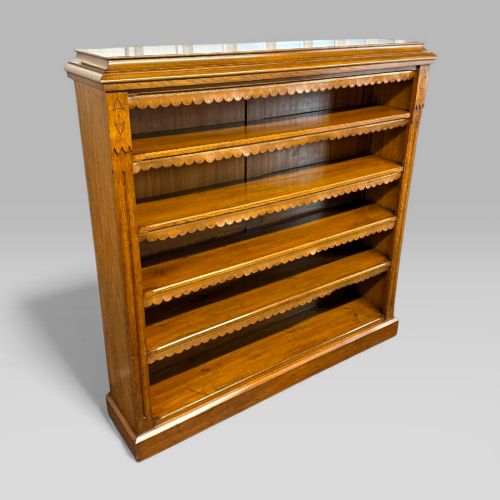
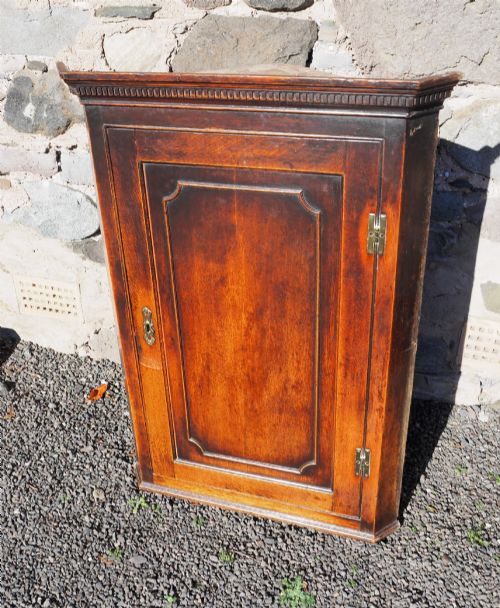
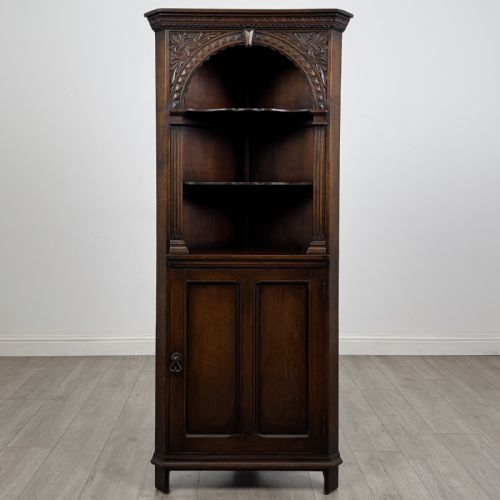
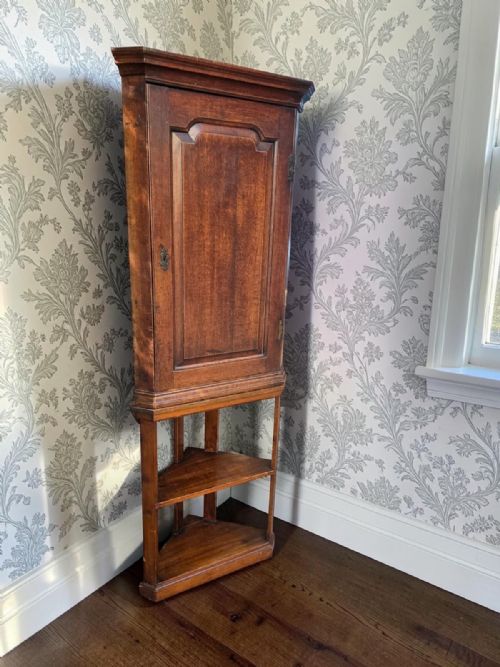
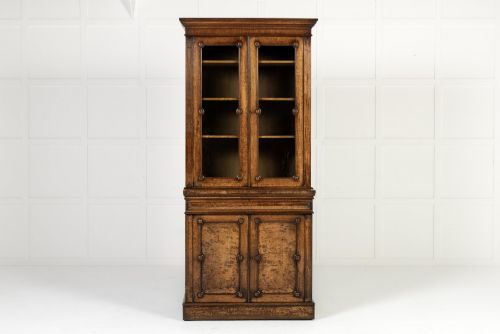
An english oak display cabinet covers a diverse group of fitted and freestanding furniture designed to hold and exhibit treasured objects, books or china. The pieces you encounter span corner cabinets, wall-hanging cupboards, glazed bookcases and substantial floor-standing pieces from the eighteenth, nineteenth and early twentieth centuries.
The selection ranges from simple provincial country pieces to revivalist interpretations of earlier eras such as the Jacobean, Tudor and Georgian styles. Corner cabinets and wall cupboards appear frequently, often featuring glazed doors or open shelves tailored to domestic spaces of varying scales.
Judging quality
Quality rests upon the selection of the timber grain, the crispness of hand-carved details and the structural integrity of the joints and door frames. Finer examples show careful matching of oak boards, subtle crossbanding and well-fitted original brass or iron hardware.
Later revival pieces and provincial items vary according to the depth of the carving and the proportion of the proportions. Superior cabinets maintain tight door closures, flat panels that tolerate seasonal humidity changes and glass secured without crude modern glazing putty.
English Oak Display Cabinet Retail Price Guide 2026
Typical asking prices for english oak display cabinet among the pieces listed under this phrase on Sellingantiques today, from the lower quarter to the upper quarter. They describe what is for sale here now, not the wider market.
Two small cabinets in the current selection were fashioned directly from timber salvaged from the royal vessel HMY Osbourne.
The English Oak Display Cabinet Glossary
- Crossbanding
- A border technique where thin strips of veneer are laid perpendicular to the grain of the main panel, common in Georgian pieces.
- Cornice
- The decorative moulding crowning the top of a cabinet or bookcase, often featuring dental work or carved dentils.
- Glazed
- Fitted with glass panes, allowing contents to be viewed while protected from dust.
- Pollard oak
- Timber taken from trees that were pollarded, yielding a distinctive clustered knot pattern used for decorative veneer.
- Tracery
- Ornamental intersecting stonework patterns translated into wooden framework inside glass doors.
English Oak Display Cabinet: Frequently Asked Questions
How do I care for an oak cabinet?
Keep the wood away from direct heat sources and sudden humidity changes to prevent the oak panels from splitting or warping over time.
Apply a traditional beeswax polish occasionally to nourish the timber grain, buffing gently with a soft cloth to maintain a natural lustre.
Are corner cabinets practical for small rooms?
Corner units utilise neglected wall junctions effectively, offering storage capacity without dominating the main floor space of a room.
Wall-hanging versions lift entirely off the floor, making them suitable for compact kitchens, hallways or dining areas.
How do I date an oak display cabinet?
Examine the construction of the drawers, backboards and hinges, as hand-cut dovetails and hand- forged ironwork generally point to earlier centuries.
Stylistic details such as Jacobean revival motifs or Georgian proportions provide further clues, though later revival periods often recreate these forms closely.
Can I use a display cabinet for books?
Many glazed cabinets and open pieces function well as bookcases, provided the shelf depths and heights accommodate your volumes.
Ensure the shelves are sturdy enough to support heavy books without sagging, particularly in older pieces with fixed shelving.